
The Highwaymen (2019)
Story overview
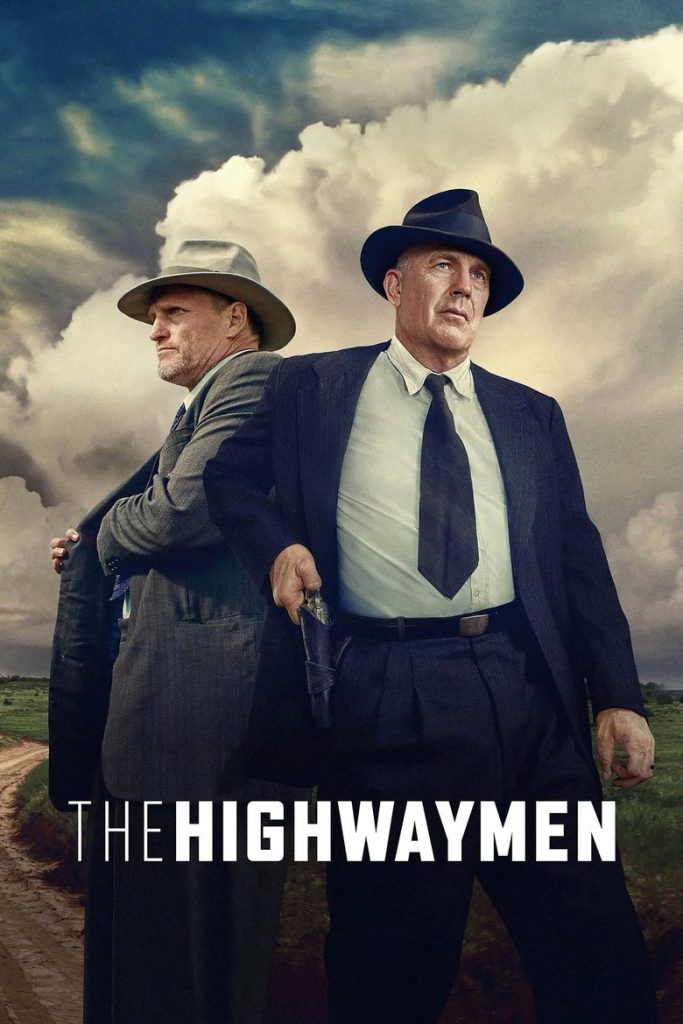
The Highwaymen is a 2019 crime drama thriller directed by John Lee Hancock, starring Kevin Costner and Woody Harrelson. Set in 1934, it follows two former Texas Rangers, Frank Hamer and Manny Gault, who are hired to track down and stop the notorious criminal duo Bonnie Parker and Clyde Barrow. The film explores the pursuit of these infamous robbers and killers, who were paradoxically celebrated by the public during the Great Depression, focusing on the lawmen's gritty, determined efforts to bring them to justice.
Parent Guide
The Highwaymen is a mature historical crime drama with strong violence and thematic elements. Best suited for viewers aged 15 and up due to its intense scenes and complex subject matter. Parental guidance is recommended to help process the violent content and historical context.
Content breakdown
Frequent and intense violence including shootouts, gunfire, bloodshed, and depictions of dead bodies. Scenes show characters being ambushed and killed, with graphic aftermath. High peril throughout as lawmen pursue dangerous criminals.
Disturbing scenes of crime scenes and violent deaths. Thematic elements involving cold-blooded killers and public adoration of criminals may be unsettling. Some tense, suspenseful moments during chases and confrontations.
Occasional strong language including 'f**k', 's**t', and other profanities. Not excessive, but present in dialogue reflecting the gritty tone.
No sexual content or nudity. The film focuses on crime and pursuit without romantic or sexual elements.
Occasional social drinking, such as characters having beers or whiskey in bars. No depiction of intoxication or substance abuse.
Emotionally intense due to themes of justice, mortality, and the weight of violence. Characters grapple with past traumas and moral dilemmas, which may resonate with older viewers.
Parent tips
This film is rated R primarily for violence and language. It depicts historical crime scenes with gun violence, blood, and peril, which may be intense for younger viewers. The themes involve law enforcement, moral ambiguity, and the glorification of criminals, suitable for mature discussions with teens. Parents should preview it for content and consider its historical context when watching with older children.
Parent chat guide
Parent follow-up questions
—
—
- What did you think about the way the police tried to catch the robbers?
- Why do you think some people in the movie liked Bonnie and Clyde even though they did bad things?
- How does the film handle the moral complexity of hunting down criminals who are seen as heroes by some?
- What historical inaccuracies or artistic liberties might the film have taken, and how do they affect the story?
- Discuss the film's depiction of violence: is it necessary for the narrative, or gratuitous?
- How do the themes of aging and redemption play out for the main characters?
🎭 Story Kernel
The film is less about capturing Bonnie and Clyde and more about the obsolescence of a certain breed of masculinity and justice. Frank Hamer and Maney Gault are not heroes; they're anachronisms. Their pursuit is driven by a desperate need to prove their methods—brutal, personal, and rooted in a frontier code—still have value in a modernizing America that now views outlaws as folk heroes. The real conflict isn't with the Barrow Gang, but with a society that has romanticized the very violence they're hired to end. Their victory is hollow, a final, bloody transaction that leaves them standing alone on an empty road, their purpose extinguished with their targets.
🎬 Visual Aesthetics
The visual language is one of deliberate, weary stillness. Director John Lee Hancock favors wide, static shots that emphasize the vast, empty Texas landscapes, visually isolating the aging protagonists. The color palette is desaturated, all dusty browns and muted greens, evoking both the Depression era and the men's faded vitality. Action is stark and unglamorous—the final ambush is a sudden, chaotic burst of violence shot with a shocking, matter-of-fact brutality. This aesthetic rejects the mythic, energetic style of the 1967 'Bonnie and Clyde,' instead framing the story as a grim, procedural epilogue.
🔍 Details & Easter Eggs
💡 Behind the Scenes
Kevin Costner and Woody Harrelson performed most of their own driving in the period-correct vehicles. The film shot at many real Texas locations connected to the Barrow Gang's final run, including the ambush site near Gibsland, Louisiana. Costner's character, Frank Hamer, was a renowned Texas Ranger in reality; the film incorporates true details like his customized rifle and his justified bitterness over being omitted from the 1967 film. The vintage cars were meticulously sourced and maintained, becoming characters in themselves that constantly broke down, mirroring the protagonists' own strained endurance.
Where to watch
Choose region:
- Netflix
- Netflix Standard with Ads
Trailer
Trailer playback is unavailable in your region.