The House of Flowers Presents: The Funeral (2019)
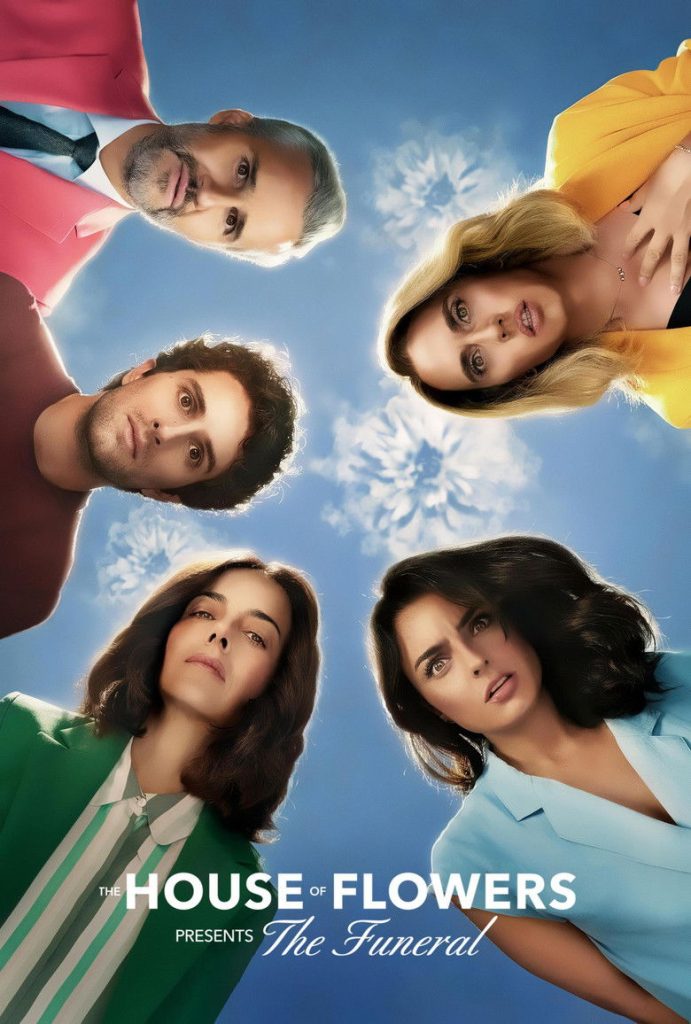
Story overview
The House of Flowers Presents: The Funeral is a 2019 comedy special that follows the eccentric members of a wealthy family as they navigate the preparations and aftermath of a funeral. With its TV-MA rating, the show blends dark humor with family drama, exploring themes of grief, secrets, and dysfunctional relationships in a satirical manner. The comedic approach often involves exaggerated situations and character interactions typical of the genre.
Parent Guide
TV-MA comedy special with mature themes and dark humor about family dynamics during a funeral.
Content breakdown
May include verbal conflicts and tense family situations typical of dark comedies.
Themes of death and grief presented in comedic context, which some may find unsettling.
TV-MA rating suggests potentially strong language appropriate for mature audiences.
May include suggestive dialogue or situations typical of adult-oriented comedies.
Possible references to alcohol or substances in social situations.
Explores grief, family conflict, and emotional dynamics with comedic elements.
Parent tips
This TV-MA rated comedy special contains mature themes and humor that may not be suitable for younger viewers. Parents should be aware that the content is designed for adult audiences and may include elements inappropriate for children. Consider previewing the material or watching together with older teens to discuss the themes presented.
Parent chat guide
Parent follow-up questions
- Did you see any families in the show?
- What colors or funny things did you notice?
- How do you think the people in the show were feeling?
- What do you think a funeral is?
- Did you see any happy or sad moments?
- How did the characters show their feelings about the funeral?
- What made some parts of the show funny?
- How do you think real families might act differently?
- What did you learn about how people handle sad events?
- Which character did you relate to most and why?
- How does the show use humor to talk about serious topics?
- What family dynamics did you notice in the show?
- How realistic do you think the characters' reactions were?
- What messages about grief and family did you take away?
- How might different cultures handle funerals differently?
- How effectively does the dark humor work in discussing mortality?
- What commentary does the show make about family secrets and dysfunction?
- How does the TV-MA rating reflect the mature themes presented?
- What did you think about the portrayal of grief in the show?
- How might this special influence your understanding of family relationships?
🎭 Story Kernel
The film isn't really about mourning; it's about the performative nature of grief within dysfunctional family systems. Each character uses the funeral as a stage to air personal grievances, settle old scores, and negotiate power dynamics, revealing that the deceased was merely the glue holding their mutual contempt together. The driving force isn't loss, but the liberation (and terror) that comes when that glue dissolves. The characters are propelled by a desperate need to redefine their roles in the family hierarchy now that the central figure—and their primary excuse for their own failings—is gone.
🎬 Visual Aesthetics
The visual language masterfully uses claustrophobic framing and a desaturated, almost sickly color palette of muted greens and browns to mirror the emotional suffocation within the family home. Static, lingering shots on characters' faces during others' speeches highlight internal reactions over spoken words. The few moments of warmth or saturated color are reserved for flashbacks, which are presented with a hazy, unreliable quality, suggesting nostalgia is itself a kind of fiction the characters have constructed.
🔍 Details & Easter Eggs
💡 Behind the Scenes
The film was shot almost entirely on location in a single, historic house over a tight 18-day schedule, contributing to the authentic, pressurized atmosphere. Several of the actors reported that the intense, confined shoot led to method-like immersion, with off-camera tensions occasionally blurring into on-screen performances. The director encouraged improvisation around the script's core structure, which explains the particularly naturalistic—and vicious—rhythm of the family arguments.
Where to watch
Choose region:
- Netflix
- Netflix Standard with Ads