
The Hunt (2012)
Story overview
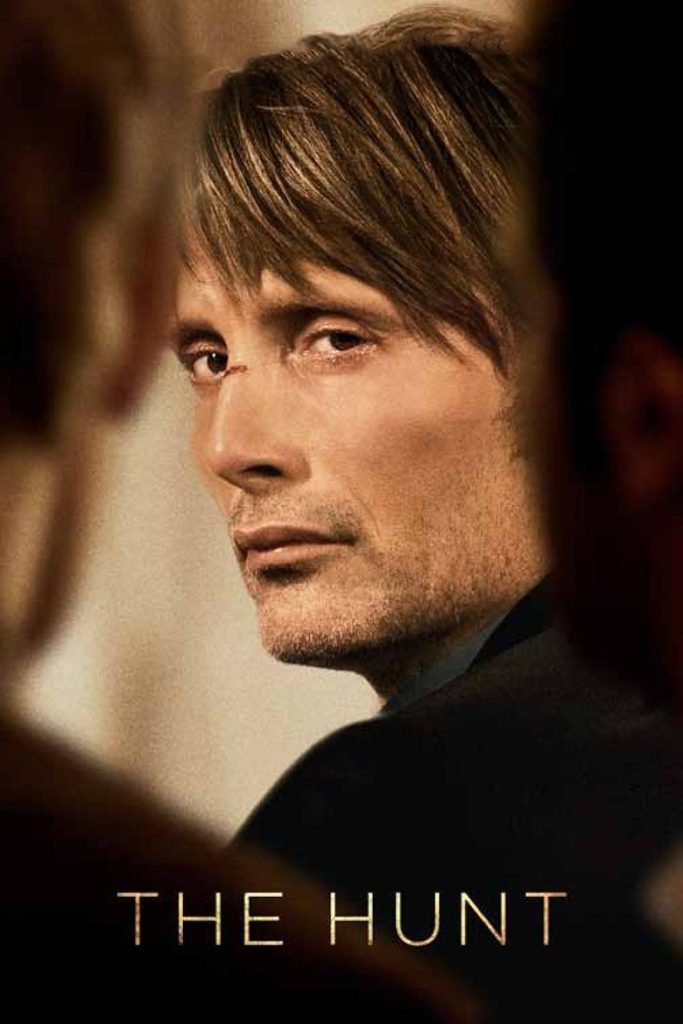
The Hunt is a Danish drama about a kindergarten teacher whose life begins to improve after personal struggles, only to face devastating consequences when a child's innocent lie spreads through his small community. The film explores themes of trust, reputation, and the destructive power of rumors. It portrays how quickly a person's life can unravel when faced with false accusations and social ostracism.
Parent Guide
A psychologically intense drama about false accusations and social ostracism, suitable for mature viewers who can handle emotional complexity.
Content breakdown
Some physical confrontations and tense situations, but no graphic violence. Includes scenes of social aggression and psychological pressure.
Intense emotional content involving false accusations, social isolation, and psychological trauma. The premise of a child's lie destroying an adult's life is particularly disturbing.
Some strong language and emotional outbursts in tense situations, but not excessive.
Brief non-explicit references to adult relationships, no graphic content.
Social drinking in community settings, some scenes of alcohol consumption during emotional moments.
High emotional intensity throughout, dealing with themes of betrayal, isolation, and psychological distress.
Parent tips
This film deals with mature themes including false accusations, social isolation, and emotional trauma. The R rating reflects intense emotional content rather than graphic violence or explicit material. Parents should be aware that the central plot involves a child's false accusation against an adult, which may be disturbing for younger viewers or those who have experienced similar situations.
While there's minimal physical violence, the psychological and emotional intensity is significant throughout the film. The story explores how quickly a community can turn against someone based on unproven allegations, which could be particularly unsettling for sensitive viewers. This film is best suited for mature teenagers and adults who can process complex social dynamics.
Parent chat guide
After watching, focus conversations on themes of trust, reputation, and community dynamics. Discuss how the characters' actions affect each other and what might have been done differently. Emphasize the importance of evidence and due process when serious accusations arise.
Parent follow-up questions
- How do you feel when someone says something that isn't true about you?
- What does it mean to be a good friend?
- Why is it important to tell the truth?
- How can we be kind to people who are feeling sad?
- What should we do if we hear something about someone that might not be true?
- How do rumors spread in a community?
- Why is it important to get all the facts before believing something about someone?
- How would you feel if people stopped being your friend because of something you didn't do?
- What makes a community supportive versus hurtful?
- How can we stand up for someone who is being treated unfairly?
- What responsibilities do communities have when serious accusations are made?
- How does social pressure affect people's behavior and judgment?
- What are the consequences of rushing to judgment without evidence?
- How can false accusations damage relationships and communities?
- What role does empathy play in how we treat others during difficult situations?
- How does the film explore the tension between individual rights and community safety?
- What psychological effects does social ostracism have on individuals?
- How do power dynamics between adults and children influence the story's events?
- What ethical responsibilities do communities have when allegations arise?
- How does the film comment on mob mentality and due process in modern society?
🎭 Story Kernel
At its core, 'The Hunt' is a savage deconstruction of liberal elitism and conservative paranoia, exposing how both sides weaponize victimhood. The film's real horror isn't the violence but the complete collapse of civil discourse into tribal warfare. Crystal's journey from victim to predator reveals how trauma doesn't ennoble—it hollows. The wealthy elites aren't hunting for justice but for the visceral thrill of punishing those they deem morally inferior, while their targets' conspiracy theories become self-fulfilling prophecies. Ultimately, nobody wins because the conflict was never about truth—it was about the primal satisfaction of having an enemy to destroy.
🎬 Visual Aesthetics
Director Craig Zobel employs a clinical, almost documentarian visual style that makes the violence feel disturbingly mundane. The color palette shifts from the warm, affluent tones of the hunters' estate to the cold, muddy grays of the survival sequences, visually reinforcing the class divide. Shaky handheld cameras during chase scenes create visceral panic, while static wide shots of the 'hunting ground' emphasize its eerie normalcy. The most striking visual choice is treating extreme violence with matter-of-fact framing—no slow motion or glorification, just brutal efficiency that makes the cruelty feel more real and therefore more horrifying.
🔍 Details & Easter Eggs
💡 Behind the Scenes
Betty Gilpin performed 95% of her own stunts, including the brutal hand-to-hand combat sequences. The controversial premise caused Universal to initially cancel the film's release after mass shootings, before ultimately releasing it months later. Many of the 'elite' characters were written as amalgamations of real coastal elite stereotypes the writers observed. The film was shot in New Orleans, with the hunting estate being a composite of three different plantations—an unintentionally perfect metaphor for the story's themes of inherited violence.
Where to watch
Choose region:
- Philo
- Magnolia Selects Amazon Channel
- Amazon Video
- Apple TV
- Google Play Movies
- YouTube
- Fandango At Home
- The Roku Channel
- Fandango at Home Free
- DistroTV
- Tubi TV
- Kanopy
- Hoopla
- Plex Channel
Trailer
Trailer playback is unavailable in your region.