The Iceman (2012)
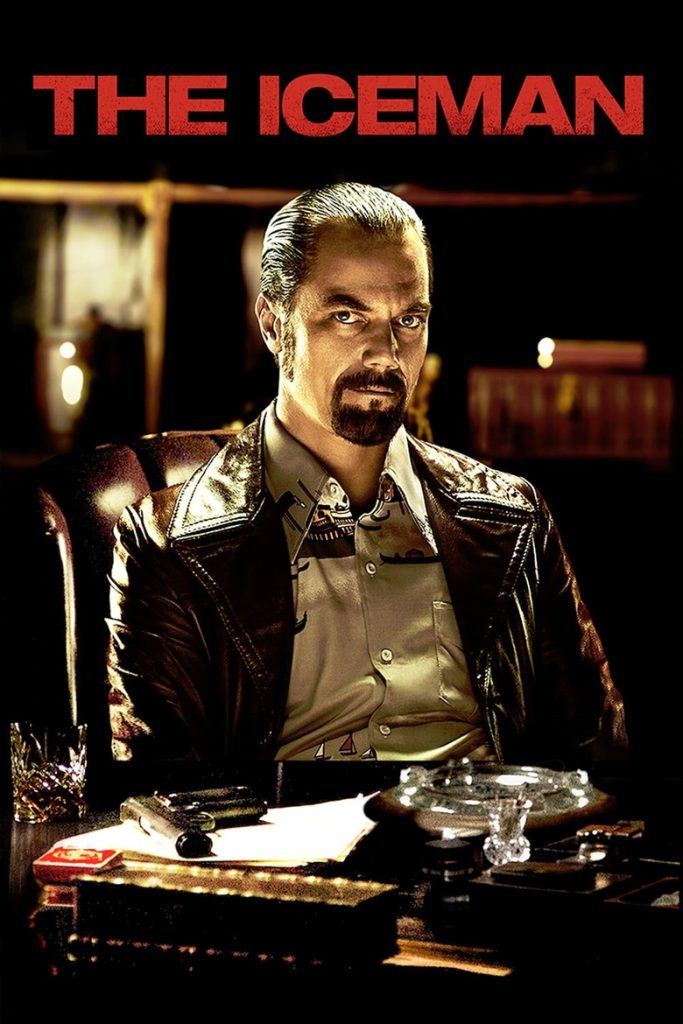
Story overview
The Iceman (2012) is a biographical crime thriller based on the true story of Richard Kuklinski, a notorious contract killer who led a double life as a seemingly ordinary family man. Directed by Ariel Vromen, the film stars Michael Shannon as Kuklinski, with supporting performances from Winona Ryder, Ray Liotta, Chris Evans, and David Schwimmer. Set in the United States, this R-rated drama explores themes of deception, violence, and the psychological complexities of a man who maintained a brutal criminal career while presenting a normal domestic facade to his loved ones.
Parent Guide
The Iceman is a intense, R-rated biographical crime film that graphically depicts the violent life of a real contract killer. It contains strong violence, pervasive strong language, and some sexual content, making it unsuitable for viewers under 18 without careful parental consideration. The film's mature themes of deception, morality, and criminal psychology require emotional maturity to process.
Content breakdown
Frequent and graphic violence including multiple contract killings depicted through shootings, stabbings, strangulations, and beatings. Victims are shown in distress and dead bodies are visible. The violence is clinical and brutal, reflecting the protagonist's profession as a hitman. Several scenes show blood and realistic injury details.
Disturbing psychological elements as the protagonist maintains a normal family life while committing murders. Tense situations involving criminal activities and law enforcement. The knowledge that these events are based on real crimes adds to the disturbing nature. Some jump scares during violent confrontations.
Pervasive strong language including frequent use of f-words, s-words, and other profanity. Racial slurs and crude sexual references occur throughout. The language reflects the criminal underworld setting and characters.
Some sexual references and innuendo in dialogue. Brief scenes of sexual activity with partial nudity (backs, shoulders shown). Prostitution is discussed. No explicit sexual acts are graphically depicted, but the content is mature in nature.
Characters smoke cigarettes frequently throughout the film. Social drinking in bars and at home. Some drug references in criminal contexts, though not prominently shown. Reflects the time period (1970s-80s) setting.
High emotional intensity due to the psychological conflict of a killer maintaining a family life. Tense criminal situations create sustained suspense. Moral ambiguity and the true crime basis add emotional weight. The film explores dark themes that may be emotionally challenging for some viewers.
Parent tips
This film is rated R for strong violence, pervasive language, and some sexual content. It is not suitable for children or young teenagers due to its graphic depictions of criminal violence and mature themes. Parents should be aware that the movie portrays real-life contract killings, including shootings, stabbings, and other brutal acts, alongside strong profanity and brief sexual references. The psychological tension and moral ambiguity may be disturbing for younger viewers. Recommended for mature audiences only, with parental guidance strongly advised for older teens.
Parent chat guide
Parent follow-up questions
—
—
—
- What did you think about Richard Kuklinski's double life as a killer and family man?
- How did the film's violence affect your viewing experience?
- What moral lessons can be learned from this true story?
- How does the movie portray the consequences of criminal behavior?
- Why do you think someone might live such a contradictory life?
🎭 Story Kernel
The film's core theme is the terrifying banality of evil and the psychological compartmentalization required to maintain a double life. Richard Kuklinski isn't driven by rage or ideology, but by a cold, transactional pragmatism. His motivation is the preservation of his constructed identity as a family man. The real horror lies not in the murders themselves, but in his seamless ability to toggle between the loving father at the dinner table and the emotionless executioner in his car. The story explores how a man can build a fortress of normalcy around a soul-deadening profession, suggesting that the most dangerous monsters are those who have convinced themselves they are not monsters at all.
🎬 Visual Aesthetics
The visual language is dominated by a muted, desaturated color palette of grays, browns, and blues, mirroring Kuklinski's emotional frigidity. Cinematography favors static, observational shots, creating a documentary-like detachment that makes the violence feel more clinical than sensational. The camera often lingers on Michael Shannon's face, capturing minute shifts in his dead eyes that speak volumes. Action is brutally efficient and devoid of glamour—a stark contrast to typical mob film aesthetics. The visual coldness of his work environments (freezers, warehouses) is sharply juxtaposed with the warm, yellow tones of his home, visually reinforcing his fractured existence.
🔍 Details & Easter Eggs
💡 Behind the Scenes
Michael Shannon prepared by studying hours of real FBI interrogation tapes of Richard Kuklinski, adopting his specific, slow speech patterns and unnerving calm. The film was shot on location in and around New York City, using many of the actual neighborhoods and mob haunts from the era to enhance authenticity. Director Ariel Vromen faced challenges securing funding due to the film's uncompromisingly bleak tone, eventually financing it independently. Chris Evans, against type as the unhinged hitman Mr. Freezy, was cast specifically to play against his heroic Captain America image, adding a layer of surreal dissonance.
Where to watch
Choose region:
- Netflix
- Amazon Prime Video
- fuboTV
- History Vault
- Netflix Standard with Ads
- Amazon Prime Video with Ads
- The Roku Channel
- Pluto TV
- Amazon Prime Video Free with Ads
- Tubi TV
- Amazon Video
- Apple TV Store
Trailer
Trailer playback is unavailable in your region.