
The Iceman Confesses: Secrets of a Mafia Hitman (2001)
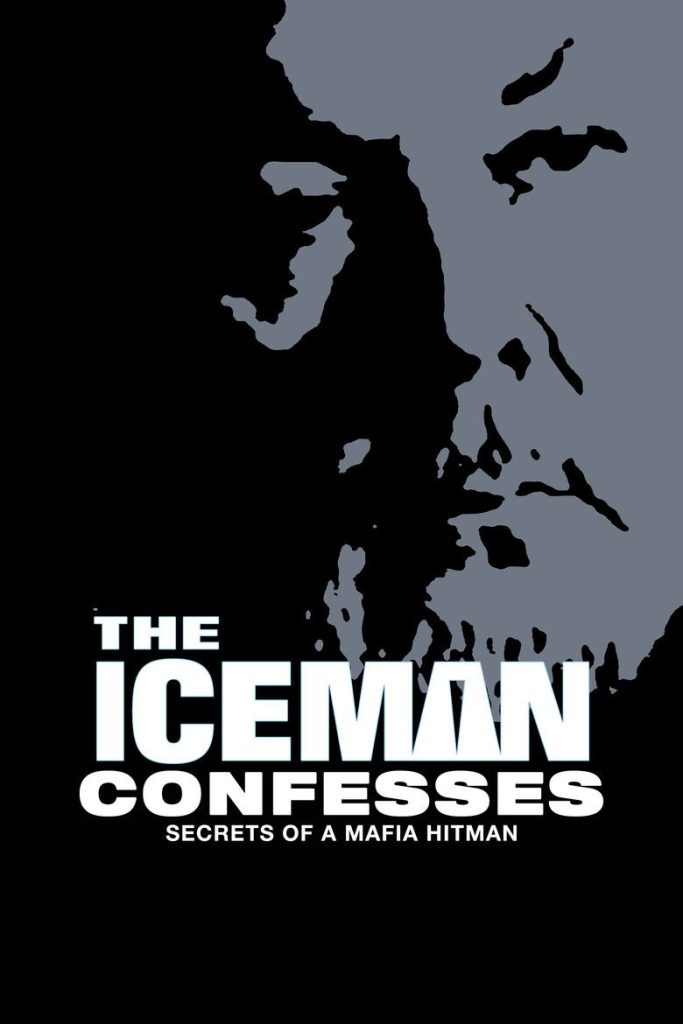
Story overview
This documentary explores the life and crimes of Richard Kuklinski, a notorious mafia hitman known as 'The Iceman.' It examines his violent career through interviews and archival footage, focusing on his psychological profile and the criminal underworld he inhabited. The film presents a chilling look at organized crime and its brutal realities.
Parent Guide
A documentary about organized crime and criminal psychology with mature themes.
Content breakdown
Discussions of violent crimes including murder, but no graphic visuals shown.
Themes of criminal violence and psychological manipulation may be disturbing.
May include occasional strong language typical of crime documentaries.
No sexual content or nudity expected in this type of documentary.
May include references to substance use in criminal contexts.
Serious subject matter dealing with crime, violence, and moral questions.
Parent tips
This documentary contains mature themes about organized crime, murder, and criminal psychology that may be disturbing for younger viewers. Parents should be aware that it includes discussions of violent acts and criminal behavior without graphic visuals. Consider the emotional maturity of your child before viewing, as the subject matter deals with real-life violence and moral complexity.
Parent chat guide
Parent follow-up questions
- What did you think about the people talking in the movie?
- Did anything make you feel worried or scared?
- What do you think the movie was trying to tell us?
- What did you learn about how people make choices in life?
- How did the movie help you understand why some choices are better than others?
- What questions do you have about the people in the documentary?
- How does this documentary present information differently than a fictional movie?
- What ethical questions does this film raise about crime and punishment?
- How can we learn from other people's mistakes without glorifying bad behavior?
- What psychological factors might contribute to criminal behavior according to this documentary?
- How does media representation of real criminals affect public perception of crime?
- What responsibilities do documentary filmmakers have when portraying violent subjects?
🎭 Story Kernel
The film's true horror isn't in the murders themselves, but in the mundane psychology of compartmentalization. Richard Kuklinski isn't portrayed as a psychopath but as a blue-collar worker who treats killing as a 9-to-5 job. The documentary reveals how organized crime created a system where violence became just another service industry. Kuklinski's emotional disconnect isn't innate—it's cultivated through years of treating human lives as inventory to be managed. The most disturbing realization is how his family life wasn't a contradiction but an extension of this compartmentalization, proving that evil doesn't require passion, just paperwork.
🎬 Visual Aesthetics
The visual language mirrors Kuklinski's emotional detachment through cold, clinical framing. Interviews are shot with stark, unflattering lighting that eliminates shadows and mystery, presenting everything as bare fact. Archival footage appears grainy and distant, creating emotional separation from the violence described. The color palette leans toward institutional blues and grays, evoking police stations and morgues rather than criminal glamour. Camera movements are minimal and deliberate, refusing to sensationalize. This aesthetic creates a documentary-as-autopsy effect, dissecting rather than dramatizing, making the banality of evil visually tangible.
🔍 Details & Easter Eggs
💡 Behind the Scenes
The documentary's power comes from its unprecedented access—Kuklinski gave over 60 hours of interviews while serving life sentences. Director Arthur Ginsburg filmed in maximum security prisons over several years, building unusual rapport with his subject. The interviews were conducted without network interference initially, allowing raw, unfiltered testimony. Notably, law enforcement consultants on the film later used Kuklinski's descriptions to solve cold cases. The production faced ethical debates about potentially glorifying a killer, leading to the deliberately unglamorous visual approach that defines the film.
Where to watch
Choose region:
- HBO Max
- HBO Max Amazon Channel
- Amazon Video
- Apple TV
- Google Play Movies
- YouTube
- Fandango At Home