
The Illusionist (2006)
Story overview
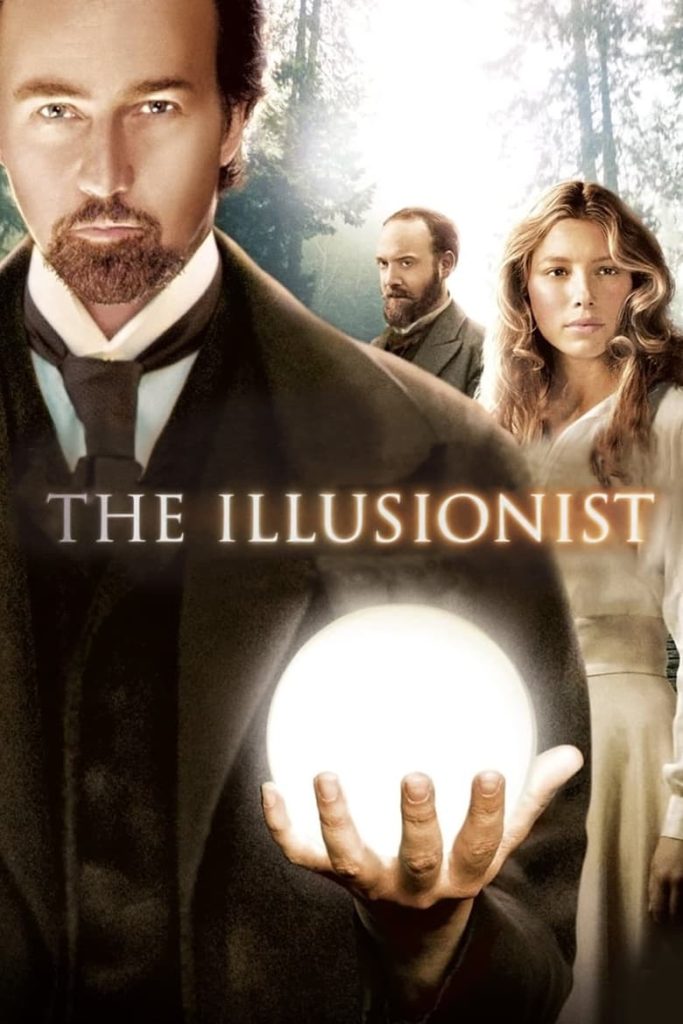
The Illusionist is a 2006 fantasy drama thriller set in early 20th century Vienna. It follows a magician who uses his extraordinary skills to win back his childhood love from a powerful crown prince. The film explores themes of illusion versus reality, class conflict, and enduring love through atmospheric storytelling. The narrative unfolds with mystery and romantic tension as the magician's performances challenge the political establishment.
Parent Guide
A atmospheric period drama with magical elements and romantic tension, suitable for mature pre-teens and teenagers who can handle psychological suspense and complex themes.
Content breakdown
Some tense confrontations and political intrigue, but no graphic violence. A character is threatened with arrest, and there are scenes of psychological manipulation.
Atmospheric suspense and mysterious elements create tension. Some scenes involve deception and manipulation that might be unsettling for sensitive viewers.
No offensive language noted in the PG-13 rating.
Romantic tension and implied relationships, but no explicit content. Some passionate kissing scenes.
No notable substance use depicted.
Strong romantic themes, class conflict, and psychological tension. Characters experience longing, betrayal, and determination that create emotional depth.
Parent tips
This PG-13 rated film contains moderate thematic elements suitable for mature children and teenagers. The story involves romantic tension, political intrigue, and magical deception that may require explanation for younger viewers. Parents should be aware that while there's no graphic content, the film deals with adult themes including class inequality, manipulation, and forbidden love that might be intense for sensitive viewers.
The atmospheric thriller elements create suspense through psychological tension rather than physical danger. The film's historical setting and sophisticated plot make it more appropriate for viewers who can follow complex narratives. Consider watching with children to discuss the moral implications of deception and the film's exploration of reality versus illusion.
Parent chat guide
Consider discussing historical class structures shown in the film and how they compare to modern society. The movie provides opportunities to talk about perseverance, creativity, and standing up against authority. You might also explore how the film's visual style and pacing contribute to its mysterious atmosphere.
Parent follow-up questions
- What was your favorite magic trick in the movie?
- How did the characters show they cared about each other?
- What colors or costumes did you like best?
- Was there anything that surprised you?
- What would you do if you could do magic?
- Why do you think the magician used his tricks the way he did?
- How did the different characters feel about rules and authority?
- What made the story exciting or mysterious?
- How did the setting (time and place) affect the story?
- What would you have done in the main character's situation?
- How does the film explore the difference between illusion and reality?
- What social messages about class and power does the story convey?
- How does the romantic relationship drive the plot forward?
- What techniques does the film use to create suspense without violence?
- How do the characters' motivations change throughout the story?
- Analyze how the film uses magical realism to comment on social structures.
- Discuss the ethical implications of using deception for personal or political goals.
- How does the film's historical setting enhance its themes of love and rebellion?
- What commentary does the film offer about the nature of power and authority?
- How does the cinematography and score contribute to the film's atmospheric tension?
🎭 Story Kernel
At its core, 'The Illusionist' explores the power of perception versus reality in a society rigidly structured by class and authority. Eisenheim's illusions aren't mere entertainment—they're weapons against Crown Prince Leopold's oppressive control, revealing how easily truth can be manufactured and how desperately people cling to comforting narratives. The film questions whether justice served through deception remains justice at all, while examining how love becomes both motivation and ultimate illusion. Every character is driven by their relationship to truth: Eisenheim manipulates it, Leopold weaponizes it, Inspector Uhl seeks it, and Sophie becomes its ultimate sacrifice.
🎬 Visual Aesthetics
The film's sepia-toned palette creates a nostalgic, almost storybook quality that ironically contrasts with its cynical themes. Neil Burger employs deliberate, theatrical framing—often placing Eisenheim centrally as if on stage—while using practical effects for the illusions to maintain tactile authenticity. The camera frequently lingers on hands and objects, emphasizing the importance of physical manipulation. Vienna appears both opulent and decaying, mirroring the aristocracy's fragile power. Most strikingly, the visual language shifts from warm amber in flashbacks to cooler, more sinister tones in the present, visually tracking the corruption of innocence.
🔍 Details & Easter Eggs
💡 Behind the Scenes
Edward Norton spent months learning sleight-of-hand from legendary magician Ricky Jay, performing all his own close-up magic except the orange tree growth. The film was shot almost entirely in Prague, standing in for 1900s Vienna because its architecture remained largely unchanged. Paul Giamatti based Inspector Uhl's mannerisms on early 20th-century police photographs, studying how men of authority carried themselves. Director Neil Burger intentionally used pre-CGI techniques like double exposure and forced perspective to make the illusions feel authentic to the period.
Where to watch
Choose region:
- Netflix
- Amazon Prime Video
- Hulu
- fuboTV
- AMC Plus Apple TV Channel
- AMC+
- Philo
- FlixFling
- Amazon Prime Video with Ads
- The Roku Channel
- Fandango at Home Free
- Amazon Prime Video Free with Ads
- Tubi TV
- Amazon Video
- Apple TV
- Fandango At Home
- Google Play Movies
- YouTube
Trailer
Trailer playback is unavailable in your region.