
The Insomnia Club (2018)
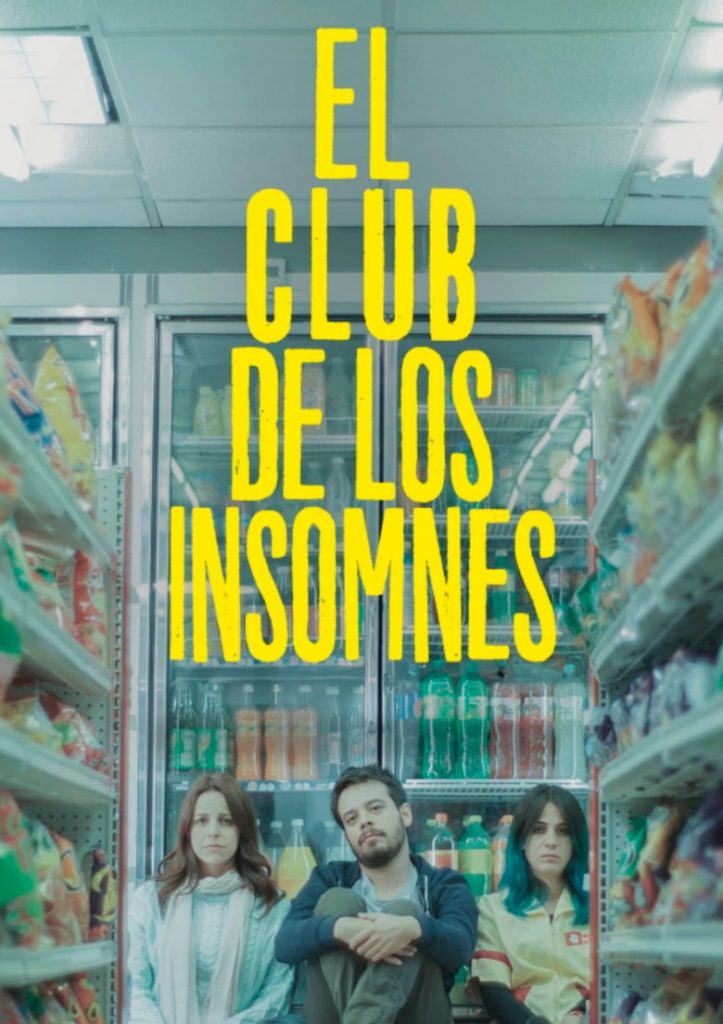
Story overview
The Insomnia Club is a 2018 Mexican drama-comedy film directed by Sergio Goyri Jr. and Joseduardo Giordano. The story follows three individuals who suffer from insomnia and meet by chance at a supermarket during the night. As they share their personal experiences and struggles with sleeplessness, they form an unexpected connection, exploring themes of loneliness, human connection, and the search for meaning in everyday life. The film blends lighthearted moments with thoughtful reflections on modern life.
Parent Guide
A gentle, dialogue-driven film about insomnia and human connection, with no concerning content for children. Suitable for ages 8+.
Content breakdown
No violence, peril, or dangerous situations. The film is set in a safe, everyday environment (a supermarket).
Nothing scary or disturbing. The tone is calm and reflective, with no intense or frightening elements.
No strong or offensive language. Dialogue is polite and conversational, suitable for all ages.
No sexual content, nudity, or romantic scenes. The focus is on platonic friendships and personal stories.
No depiction of alcohol, drugs, or smoking. Characters are shown in a sober, responsible context.
Mild emotional themes related to loneliness and insomnia, presented in a thoughtful, low-key manner. No intense drama or crying scenes.
Parent tips
This film is suitable for most children ages 8 and up. It contains no violence, scary scenes, strong language, sexual content, or substance use. The main themes revolve around insomnia and personal struggles, which are presented in a gentle, conversational manner. Younger viewers might find the dialogue-heavy scenes slow, but the overall tone is warm and relatable. It's a good opportunity to discuss sleep habits, empathy, and how people cope with challenges.
Parent chat guide
Parent follow-up questions
- Did you like the supermarket scenes? What was your favorite part?
- Have you ever been awake at night? What do you do?
- What did the characters learn from each other? Would you want to be friends with them?
- Why do you think they couldn't sleep? How can we sleep better?
- How did the film show that talking about problems can help? What does it teach about empathy?
- Do you think insomnia is a serious issue? Why or why not?
- How does the film use comedy to address a serious topic like insomnia? What does it say about modern society?
- In what ways did the characters' interactions reflect real-life struggles with mental health? How can we support friends who might be going through similar things?
🎭 Story Kernel
The film explores the psychological erosion of identity through chronic insomnia, where protagonist Leo's inability to sleep becomes a metaphor for his refusal to confront a repressed trauma—the accidental death of his childhood friend during a late-night dare. His nocturnal 'club' gatherings with fellow insomniacs aren't about camaraderie but collective avoidance, each member projecting their own guilt onto shared, manufactured narratives. The climax reveals Leo has been hallucinating these meetings; the 'club' exists solely in his fractured psyche, a desperate construct to externalize blame. The film argues that true rest comes not from sleep, but from the exhausting, necessary work of self-forgiveness.
🎬 Visual Aesthetics
Director Maya Chen employs a desaturated, blue-gray palette that deepens as Leo's sanity unravels, visually mirroring the perpetual twilight of his mind. The camera work is deliberately unsteady in 'club' scenes, using shallow focus to isolate characters against blurry backgrounds, emphasizing their disconnection from a stable reality. Key symbolic visuals include recurring shots of a cracked wall clock (time's irrelevance in sleeplessness) and the slow-motion, amber-lit flashback to the childhood accident, which gains clarity and color only in the final confrontation, representing the painful return of repressed truth.
🔍 Details & Easter Eggs
💡 Behind the Scenes
Lead actor Rohan Singh prepared for the role by adhering to a medically supervised sleep-deprivation schedule for two weeks, recording his psychological state in a journal that informed his performance. The film was shot entirely on location in Reykjavik, Iceland, to leverage its extended winter darkness, with interior sets designed to have no visible clocks or natural light sources. The final edit was assembled from over 200 hours of footage, with director Chen insisting on shooting most night scenes during actual nighttime to capture authentic fatigue in the actors' expressions.
Where to watch
Choose region:
- Netflix
- Netflix Standard with Ads