
The Inventor: Out for Blood in Silicon Valley (2019)
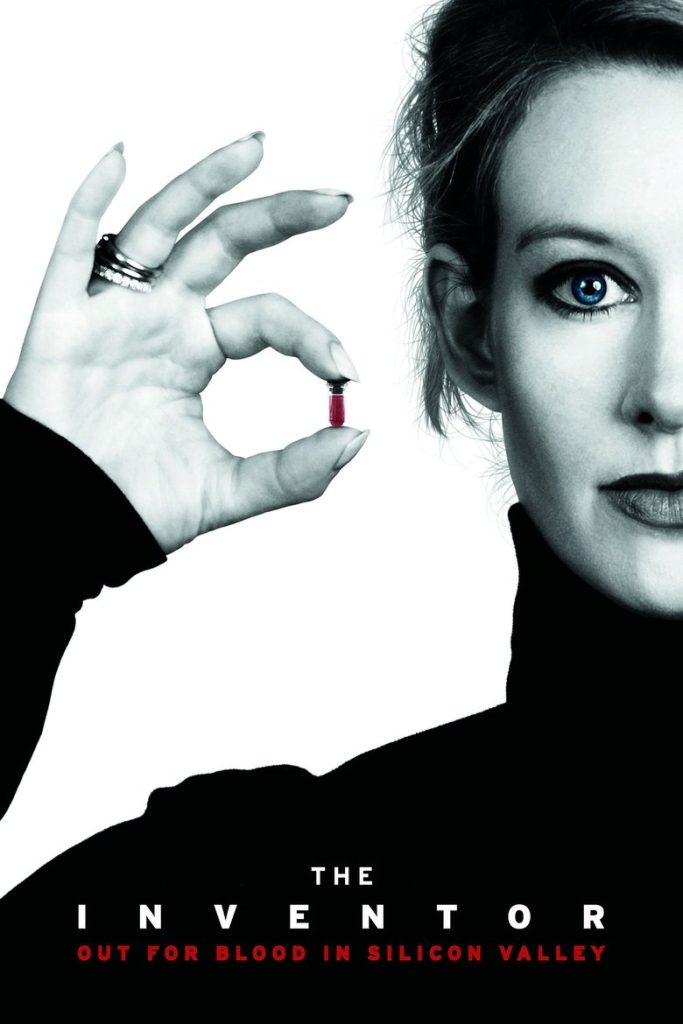
Story overview
This documentary chronicles the dramatic rise and fall of Elizabeth Holmes and her company Theranos, which claimed to have developed revolutionary blood-testing technology. The film explores how Holmes captivated investors and the media, becoming a celebrated billionaire entrepreneur before the technology was exposed as fraudulent, leading to the company's collapse. It delves into themes of deception, ambition, corporate ethics, and the psychology behind high-stakes fraud.
Parent Guide
A documentary about corporate fraud and deception in Silicon Valley, with no graphic content but complex themes suitable for mature viewers.
Content breakdown
No physical violence or peril depicted. The film focuses on financial and legal consequences.
Some viewers may find the scale of deception and its impact on patients disturbing, but no graphic imagery is shown.
No strong or offensive language noted in this documentary.
No sexual content or nudity.
No depiction of substance use.
The film deals with high-stakes betrayal, financial ruin, and ethical failures, which may be intense for sensitive viewers.
Parent tips
This documentary is suitable for mature tweens and teens due to its complex themes of fraud and ethical misconduct. It contains no graphic violence, sexual content, or strong language, but discusses serious real-world consequences like legal battles and financial ruin. Best viewed with parental guidance to discuss business ethics, critical thinking, and media literacy. Younger children may find the corporate details confusing or dull.
Parent chat guide
Parent follow-up questions
—
—
- What does it mean to tell the truth in business?
- Why do you think people believed Elizabeth Holmes' claims?
- How can we check if something new is really working?
- What ethical responsibilities do companies have in healthcare?
- How did media coverage contribute to Theranos' rise and fall?
- What psychological factors might drive someone to commit fraud on this scale?
- What lessons can entrepreneurs learn from this story?
🎭 Story Kernel
The film exposes how Elizabeth Holmes' ambition wasn't just about revolutionizing healthcare but about crafting a personal mythology that Silicon Valley was all too willing to buy into. It's less about technology failure and more about systemic failure—how investors, journalists, and board members suspended disbelief because they wanted the story to be true. The driving force isn't greed in the traditional sense, but a pathological need for validation that weaponized the startup culture's obsession with disruption. Holmes becomes a dark mirror reflecting back the valley's own hubris, showing how the desire to believe in a world-changing narrative can override basic due diligence and ethics.
🎬 Visual Aesthetics
The documentary employs a stark visual contrast between the polished, Steve Jobs-inspired aesthetic Holmes cultivated (clean labs, black turtlenecks, deep voice) and the grim reality of malfunctioning Edison devices. Archival footage of Holmes giving confident presentations is intercut with dimly lit lab scenes and anxious employee interviews, visually underscoring the duality of her facade. The camera often lingers on close-ups of blood vials and testing equipment, making the biomedical failure tactile and unsettling. Color palettes shift from the warm, optimistic tones of TED-style stages to the cold, clinical blues of actual laboratories where the technology repeatedly failed.
🔍 Details & Easter Eggs
💡 Behind the Scenes
The documentary features never-before-heard audio depositions and employee testimonials that took years to obtain. Director Alex Gibney conducted over 50 interviews, including with former Theranos scientists who had never spoken publicly. The film's access to internal company videos and lab footage came through whistleblowers and legal discovery processes. Notably, Elizabeth Holmes and Sunny Balwani declined to participate, forcing the narrative to be constructed through the perspectives of those who witnessed the deception firsthand.
Where to watch
Choose region:
- HBO Max
- HBO Max Amazon Channel
- Amazon Video
- Apple TV Store
- Google Play Movies
- YouTube
- Fandango At Home
Trailer
Trailer playback is unavailable in your region.