
The Iron Giant (1999)
Story overview
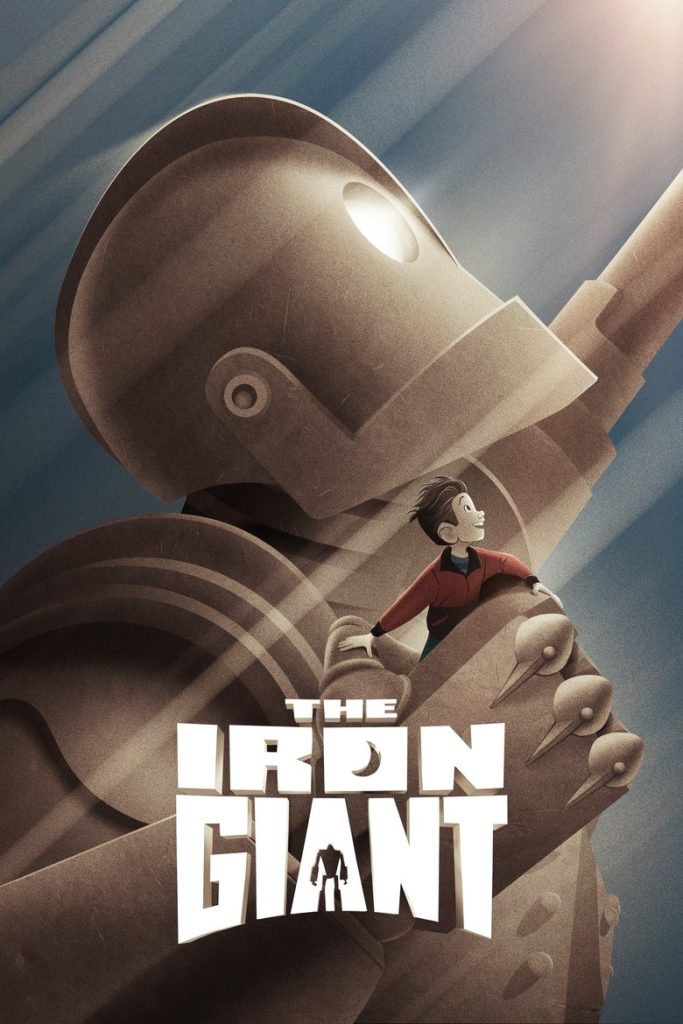
The Iron Giant is a 1999 animated film set in 1957 Maine, where a young boy befriends a mysterious giant metal robot that falls from space. The story explores themes of friendship, identity, and humanity as the robot learns about human emotions and values. Ultimately, the film delivers a powerful message about choosing who you want to be and the importance of selfless sacrifice.
Parent Guide
A thoughtful animated film with positive messages about friendship and identity, but contains some intense action and emotional moments.
Content breakdown
Military forces pursue the giant with weapons; scenes of peril including characters in danger; some destruction shown but not graphic.
The giant's initial appearance may be startling; tense chase sequences; emotional scenes involving potential loss.
Occasional mild exclamations; no strong profanity.
No sexual content or nudity.
No substance use depicted.
Themes of friendship, sacrifice, and prejudice create emotional depth; some scenes may be moving or sad.
Parent tips
This PG-rated film contains some intense moments that may be frightening for younger children, including scenes with military forces, weapons, and perilous situations. The emotional themes of loss, prejudice, and sacrifice are handled thoughtfully but could be heavy for sensitive viewers. The overall message is positive and uplifting, focusing on friendship, acceptance, and the power of choice.
Parent chat guide
Parent follow-up questions
- What was your favorite part of the movie?
- How did the boy and the giant become friends?
- What sounds did the giant make?
- How did the giant help people?
- What made you smile in the movie?
- Why do you think some people were afraid of the giant?
- What does it mean to choose who you want to be?
- How did the giant show he was a good friend?
- What did you learn about being different from others?
- How did the characters show bravery?
- What messages about prejudice and fear does the movie convey?
- How does the setting in 1957 affect the story?
- What does the film say about the difference between weapons and tools?
- How does the giant's journey reflect themes of identity?
- What sacrifices do characters make for others?
- How does the film comment on Cold War-era paranoia?
- What philosophical questions about consciousness does the giant's character raise?
- How does the animation style contribute to the emotional impact?
- What parallels can you draw between the giant's experience and real-world prejudice?
- How does the film balance entertainment with meaningful themes?
🎭 Story Kernel
At its core, 'The Iron Giant' is a story about identity versus purpose. The Giant is a weapon of mass destruction, but he chooses to define himself by the soul he develops through his friendship with Hogarth, not by his original programming. This directly challenges the film's antagonist, Kent Mansley, who represents a society that defines others by their utility and perceived threat. Hogarth's famous line, 'You are who you choose to be,' is the movie's thesis: consciousness and morality are choices, not predetermined functions. The climax isn't about defeating a villain, but about the Giant choosing self-sacrifice to protect the town, thereby fulfilling his purpose as a protector, not a destroyer.
🎬 Visual Aesthetics
The film masterfully uses a muted, autumnal color palette of browns, oranges, and greys for Rockwell, Maine, evoking 1950s nostalgia with a subtle melancholy. This contrasts sharply with the cold, metallic blues and steely greys of the Giant and the military, visually separating the warm world of human connection from the cold machinery of paranoia. The animation style blends traditional hand-drawn characters with early CGI for the Giant, making him feel both otherworldly and tangible. Key scenes use dramatic camera angles—low angles to make the Giant seem imposing, and high angles to make Hogarth and the townsfolk appear vulnerable, emphasizing the perspective of fear versus understanding.
🔍 Details & Easter Eggs
💡 Behind the Scenes
Director Brad Bird fought to keep the film's ending, where the Giant sacrifices himself, against studio pressure for a happier resolution. The iconic voice of the Giant, Vin Diesel, recorded all his lines in just two hours. Animators studied real-world metal deformation and rust to create the Giant's movement and texture, making his CGI feel weighty and integrated with the hand-drawn world. The film was a notable box office disappointment in 1999 but found its audience and acclaim through home video, becoming a cult classic and critical darling.
Where to watch
Choose region:
- Amazon Video
- Apple TV Store
- Google Play Movies
- YouTube
- Fandango At Home
- Spectrum On Demand
Trailer
Trailer playback is unavailable in your region.