
The Ivory Game (2016)
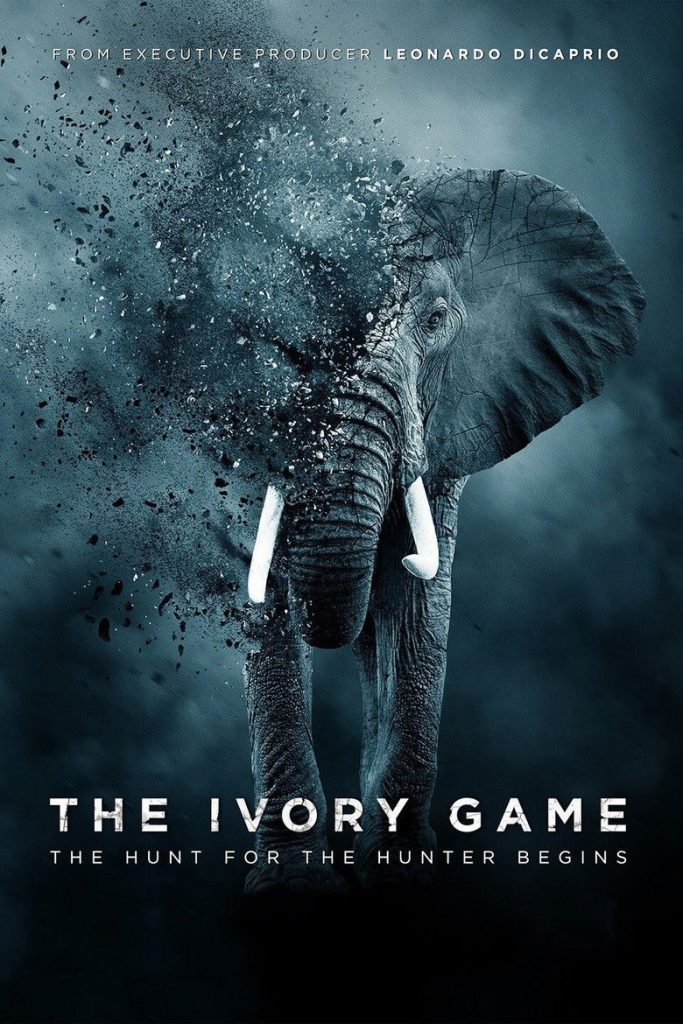
Story overview
The Ivory Game is a 2016 documentary that follows wildlife activists and investigators as they risk their lives to combat the illegal ivory trade in Africa. The film provides a suspenseful, on-the-ground look at the efforts to protect elephants from poaching and the complex networks involved in the trade.
Parent Guide
A documentary about the illegal ivory trade that includes intense scenes of animal distress and discussions of violence against wildlife. Suitable for mature children with parental guidance.
Content breakdown
Contains discussions and some footage of elephant poaching, including references to violence against animals. Activists face dangerous situations while investigating illegal activities.
Scenes showing distressed or dead elephants may be disturbing. The documentary addresses serious themes of animal cruelty and illegal trafficking that could upset sensitive viewers.
Occasional mild language related to the intensity of the situations depicted. No strong profanity.
No sexual content or nudity.
No depiction of substance use.
The film deals with emotionally charged topics including animal suffering, conservation challenges, and the risks taken by activists. May provoke strong feelings about wildlife protection.
Parent tips
This documentary deals with serious themes of wildlife conservation and illegal poaching. It includes scenes of animal distress and discussions of violence against elephants, which may be upsetting for sensitive viewers. Recommended for children aged 8 and up with parental guidance to help process the content.
Parent chat guide
Parent follow-up questions
—
- What did you learn about elephants from this movie?
- How do you think we can help protect animals?
- Why is it important to stop people from hurting elephants?
- What surprised you most about the illegal ivory trade?
- How do the activists in the film show courage?
- What are some ways countries can work together to stop wildlife trafficking?
- What systemic issues contribute to the persistence of the ivory trade?
- How does this documentary balance emotional appeal with factual reporting?
- What ethical dilemmas do conservationists face when combating illegal wildlife trade?
🎭 Story Kernel
The film's core theme is the brutal intersection of global capitalism, corruption, and ecological collapse. It reveals that the ivory trade isn't just about poaching—it's a sophisticated criminal enterprise funding terrorist groups like Al-Shabaab, with demand driven by status-seeking consumers in Asia. The characters are driven by opposing forces: activists by desperate conservation ethics, traffickers by pure greed, and officials by systemic corruption. The movie argues that saving elephants requires dismantling the economic and political structures that profit from their extinction, making it a stark geopolitical thriller disguised as a nature documentary.
🎬 Visual Aesthetics
The cinematography employs a stark contrast between majestic wildlife shots and gritty surveillance footage. Lush, golden-hour scenes of elephants in the wild are abruptly juxtaposed with grainy, handheld shots of bloody tusks in warehouses, creating visual whiplash that mirrors the moral disconnect. The camera often lingers on close-ups of carved ivory objects—their cold, smooth surfaces symbolizing how living creatures are reduced to dead commodities. Night-vision and hidden-camera sequences immerse viewers in the tense, dangerous undercover work, while aerial shots of elephant carcasses from above emphasize the scale of the slaughter.
🔍 Details & Easter Eggs
💡 Behind the Scenes
Directors Kief Davidson and Richard Ladkani filmed undercover for 16 months across Africa and Asia, often risking their safety—they used hidden cameras in China and faced threats from traffickers. The Hong Kong seizure depicted was one of the largest in history, involving 700kg of ivory. Notably, the film's release in 2016 pressured China to announce a domestic ivory ban by 2017, showing its real-world impact. Prince William served as an executive producer, lending his conservation advocacy to the project.
Where to watch
Choose region:
- Netflix
- Netflix Standard with Ads
Trailer
Trailer playback is unavailable in your region.