
The Kid (1921)
Story overview
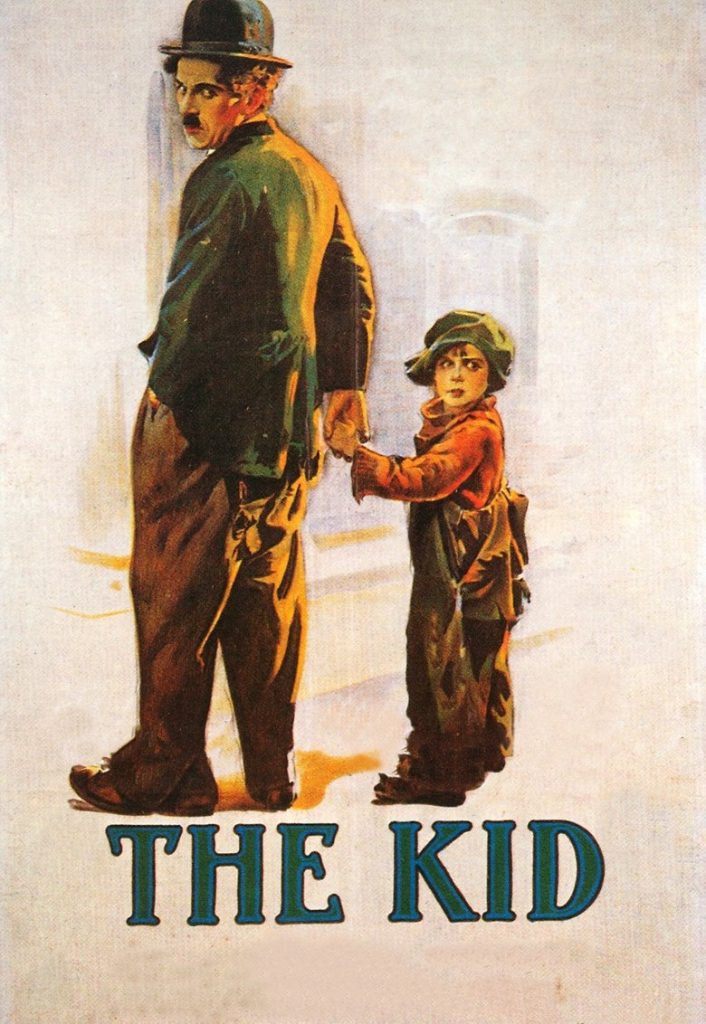
This classic silent film follows a kind-hearted tramp who discovers an abandoned baby and raises him as his own. The story explores their loving father-son relationship as they navigate life's challenges together. Years later, the boy's mother regrets her decision and seeks to reunite with her child, creating emotional tension about family bonds and belonging.
Parent Guide
A gentle classic with emotional themes suitable for elementary-aged children with parental guidance.
Content breakdown
Brief comedic scuffles and mild peril, such as characters being chased or getting into minor trouble. No serious violence.
The initial abandonment of a baby may be emotionally challenging for sensitive viewers. Some poverty depictions might be sad.
Silent film with written intertitles containing no offensive language.
No sexual content or nudity.
No depiction of substance use.
Strong themes of abandonment, poverty, and family separation create emotional weight, though handled gently.
Parent tips
This film is appropriate for most children but contains themes that may require discussion. The central premise involves a mother abandoning her newborn baby, which could be distressing for sensitive viewers. The silent film format with intertitles may require reading assistance for younger children, and the black-and-white cinematography might seem unusual to modern kids.
Positive messages about compassion, responsibility, and found family are woven throughout the story. The tramp's dedication to caring for the child despite his own poverty demonstrates selflessness. The film's resolution explores complex emotions about parental love and sacrifice.
Parent chat guide
During viewing, point out how the characters show their feelings without words and help children read any intertitles if needed. Pause if children seem confused about the silent format or have questions about the abandonment theme.
After watching, discuss how the characters showed love and responsibility. Ask what children thought about the different kinds of families shown in the film and how people can care for each other even in difficult circumstances.
Parent follow-up questions
- How did the man show he loved the boy?
- What was your favorite funny part?
- How do people show they care without using words?
- Why do you think the mother left her baby?
- How did the man and boy help each other?
- What does it mean to be a family?
- What responsibilities come with caring for someone?
- How did the film show poverty without being scary?
- What would you do if you found an abandoned child?
- What does the film say about social class and parenting?
- How does the silent format affect emotional storytelling?
- What ethical questions does the reunion raise?
🎭 Story Kernel
At its core, 'The Kid' explores the transformative power of paternal love in a harsh, indifferent world. Charlie Chaplin's Tramp isn't driven by romance or ambition, but by the simple, profound need to protect and nurture a child discarded by society. The film argues that true family is forged through care, not blood—a radical idea for 1921. The Tramp's evolution from solitary survivor to devoted guardian reveals how responsibility gives life meaning. Their struggle against poverty and authorities becomes a poignant commentary on how society fails its most vulnerable while finding redemption in unexpected connections.
🎬 Visual Aesthetics
Chaplin's visual language masterfully contrasts innocence and hardship. The gritty, realistic slum settings—with their cramped rooms and laundry-lined alleys—ground the fantasy elements. Dream sequences employ surreal, painted backdrops and whimsical costumes, visually separating hope from reality. The camera often lingers on small, intimate moments: the Tramp preparing the kid's breakfast, or their synchronized morning routine. Physical comedy isn't just for laughs; it communicates their bond—like the famous window-repair scene where their coordinated movements become a dance of survival. The black-and-white photography emphasizes shadows and textures, making warmth feel earned.
🔍 Details & Easter Eggs
💡 Behind the Scenes
Six-year-old Jackie Coogan's performance was so natural that Chaplin largely improvised scenes around his reactions, creating cinema's first great child actor. The film was shot in Chaplin's own studio with many scenes using real Los Angeles slum locations. Production was notoriously rushed—Chaplin edited the film while shooting, sometimes reshooting scenes days later. The movie's massive success (grossing over $2.5 million) helped establish United Artists, which Chaplin co-founded. Coogan's earnings were famously mismanaged by his parents, leading to 'Coogan Laws' protecting child actors' finances.
Where to watch
Choose region:
- fuboTV
- HBO Max
- HBO Max Amazon Channel
- MGM+ Amazon Channel
- MGM Plus Roku Premium Channel
- YouTube TV
- Criterion Channel
- MGM Plus
- Philo
- Pure Flix
- FlixFling
- Great American Pure Flix Amazon Channel
- Amazon Video
- Apple TV
- Fandango At Home
- Pluto TV
- Shout! Factory TV
- Cineverse
- Mometu
- JustWatchTV
- Darkroom
- Public Domain Movies
- Fawesome
Trailer
Trailer playback is unavailable in your region.