
The Kid (2000)
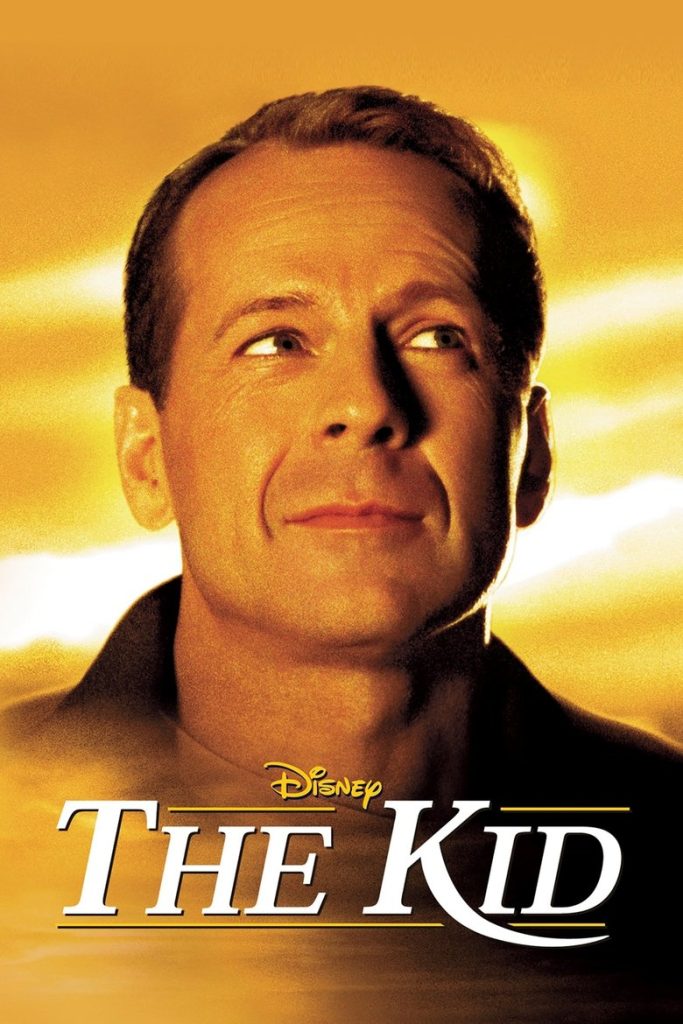
Story overview
A heartwarming fantasy-comedy about Russ Duritz, a successful but lonely businessman who magically encounters Rusty, his 8-year-old self. Through this unexpected connection, Russ rediscovers childhood dreams and learns to balance ambition with personal fulfillment in a family-friendly story of self-reflection.
Parent Guide
A gentle, uplifting film suitable for family viewing with minimal concerning content. Focuses on themes of self-discovery, childhood dreams, and personal growth through a magical premise.
Content breakdown
Brief comedic physical humor (slapstick falls, mild confrontations). One scene shows young Rusty being bullied by other children (verbal teasing, no physical harm). No weapons or serious violence.
The magical appearance of Rusty might briefly surprise very young viewers but is presented as wondrous rather than frightening. Mild emotional moments when characters feel sad or frustrated.
Occasional mild exclamations ('heck,' 'darn'). No strong profanity or offensive language.
No sexual content or nudity. Brief romantic subplot involves holding hands and mild flirtation.
No depiction of alcohol, drugs, or tobacco use. Adult characters are shown drinking coffee in office settings.
Themes of loneliness, regret, and self-reflection may resonate emotionally. Positive resolution with heartwarming moments of connection and personal growth.
Parent tips
This film is suitable for most children but contains mild emotional themes. Consider watching together to discuss how people change over time and the importance of balancing work with personal happiness. The fantasy premise is gentle and non-threatening.
Parent chat guide
Parent follow-up questions
- What was your favorite part with Rusty?
- Would you like to meet your younger self?
- What kind of dog would you want?
- Why was Russ unhappy even though he was successful?
- What did Rusty teach Russ about being happy?
- How do people change as they grow up?
- What does the movie say about balancing work and personal life?
- How does meeting his younger self help Russ change?
- What childhood dreams might you want to keep as you grow older?
- How does the film critique modern work culture?
- What does it mean to 'lose yourself' in adulthood?
- How can we maintain authenticity while pursuing success?
🎭 Story Kernel
At its core, 'The Kid' explores the transformative power of paternal love in a world of poverty and moral ambiguity. Charlie Chaplin's Tramp doesn't just rescue an abandoned infant—he discovers his own capacity for selfless devotion. The film's driving force is the tension between society's judgment (the orphanage, the authorities) and the authentic bond forged through shared struggle. The Tramp's journey from accidental guardian to willing father reveals how responsibility can elevate even the most marginalized existence. The biological mother's eventual return creates a poignant triangle where love, not blood, proves to be the truest claim to parenthood.
🎬 Visual Aesthetics
Chaplin's visual language masterfully contrasts squalor with tenderness. The cramped, dilapidated tenement set—with its visible nails in walls and worn textures—creates a tactile sense of poverty. Yet within this space, Chaplin frames intimate moments with careful composition, like the Tramp feeding the Kid with makeshift bottles. The famous dream sequence employs expressionist techniques with cardboard sets and exaggerated perspectives, visualizing the Tramp's anxieties about losing his surrogate son. Practical effects like the breaking window and the Kid's catapulted brick feel charmingly handmade, reinforcing the film's handmade quality. The final shot's road stretching into the distance becomes a visual metaphor for their uncertain but united future.
🔍 Details & Easter Eggs
💡 Behind the Scenes
Jackie Coogan, who played the Kid, was discovered by Chaplin during a vaudeville performance. The six-year-old's natural performance led Chaplin to build the film around their chemistry. The production faced significant challenges when Chaplin's studio burned down during filming, destroying sets and costumes. Chaplin rebuilt and continued, incorporating some fire-damaged items for authentic texture. The film's success made Coogan Hollywood's first major child star, though his later legal battles over his earnings led to 'Coogan Laws' protecting child actors' finances. The iconic foundling scene was shot at Chaplin's actual Hollywood studio on La Brea Avenue.
Where to watch
Choose region:
- Disney Plus
- Amazon Video
- Apple TV Store
- Google Play Movies
- YouTube
- Fandango At Home
Trailer
Trailer playback is unavailable in your region.