
The Kingdom of Dreams and Madness (2013)
Story overview
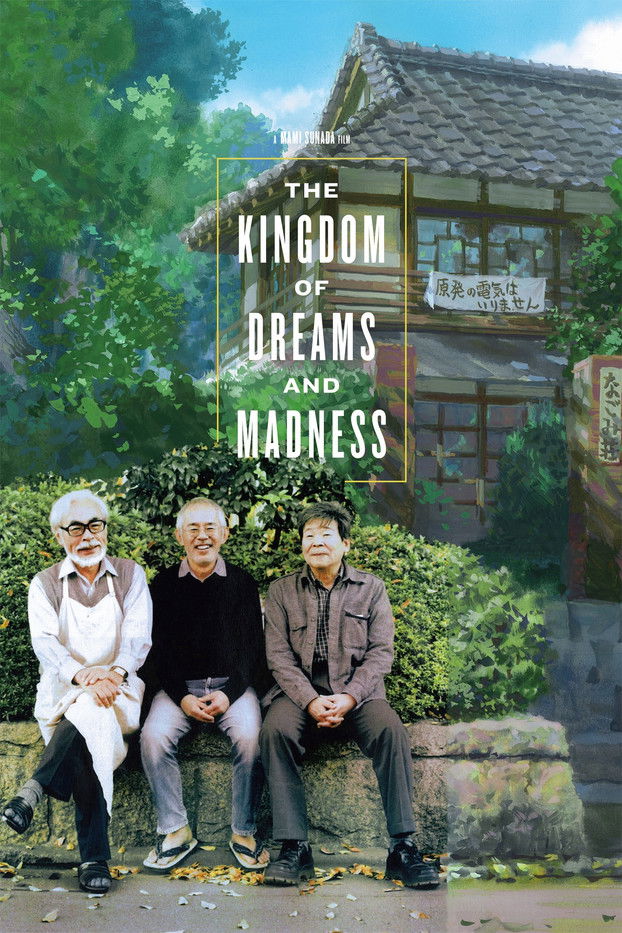
This documentary provides an intimate look into the creative world of Studio Ghibli, following the daily lives and artistic processes of legendary animators Hayao Miyazaki, Isao Takahata, and producer Toshio Suzuki as they work on their final films. It captures the passion, dedication, and occasional tensions within the studio, offering insights into the minds behind some of the most beloved animated films.
Parent Guide
A thoughtful documentary about animation artistry with no concerning content. Best for children with interest in art or filmmaking.
Content breakdown
No violence or peril depicted. The film focuses entirely on creative work and studio operations.
Nothing scary or disturbing. Some scenes show artists working under pressure, but this is presented in a documentary style.
No offensive language. Conversations are professional and focused on creative work.
No sexual content or nudity.
No substance use depicted.
Mild emotional moments as artists discuss their work and legacy, but nothing intense or upsetting.
Parent tips
This documentary is suitable for children interested in animation and art, but its slow pace and focus on creative work may not hold the attention of younger viewers. It provides excellent educational value about filmmaking and artistic dedication. No content warnings are needed.
Parent chat guide
Parent follow-up questions
- Did you see any drawings you liked?
- What was your favorite part of the movie?
- Do you like making art or stories?
- What did you learn about how animated movies are made?
- Which Studio Ghibli character would you like to meet?
- How do you think the artists feel when they finish a movie?
- What surprised you about how Studio Ghibli makes films?
- How does collaboration help in creative work?
- What challenges do you think animators face?
- How does the documentary portray the relationship between art and commerce?
- What insights did you gain about Miyazaki's creative philosophy?
- How does the film explore the tension between artistic perfection and practical deadlines?
🎭 Story Kernel
The film explores the tension between artistic obsession and commercial reality through the lens of Hayao Miyazaki's final years at Studio Ghibli. It captures Miyazaki's creative process as a form of controlled madness—his relentless perfectionism, emotional volatility, and existential doubts about his legacy. The documentary contrasts his passionate, often painful dedication with the studio's impending closure, questioning whether such artistic purity can survive in a modern industry. It's ultimately about the cost of genius and the bittersweet reality that the very madness that creates magic also consumes its creator.
🎬 Visual Aesthetics
The documentary employs an observational, fly-on-the-wall style with intimate close-ups that capture the raw emotion in Miyazaki's studio. The color palette shifts between the warm, nostalgic tones of Ghibli's hand-drawn animation cells and the stark, fluorescent reality of the modern office. Symbolism emerges through recurring shots of empty hallways and unfinished storyboards, representing both creative potential and impending closure. The camera lingers on Miyazaki's hands—aging, trembling, yet constantly drawing—creating a powerful visual metaphor for the physical toll of artistic devotion.
🔍 Details & Easter Eggs
💡 Behind the Scenes
The documentary was filmed over a year during the production of 'The Wind Rises' and 'The Tale of The Princess Kaguya.' Director Mami Sunada had unprecedented access but almost no interference—Miyazaki famously forgot cameras were present. The film's title comes from a Miyazaki quote about Ghibli being 'a kingdom of dreams and madness.' Notably, Isao Takahata, co-founder of Ghibli, refused to be interviewed, creating the documentary's notable absence that speaks volumes about the studio's internal tensions.
Where to watch
Choose region:
- HBO Max
- HBO Max Amazon Channel
- Apple TV Store
Trailer
Trailer playback is unavailable in your region.