
The Last Cruise (2021)
Story overview
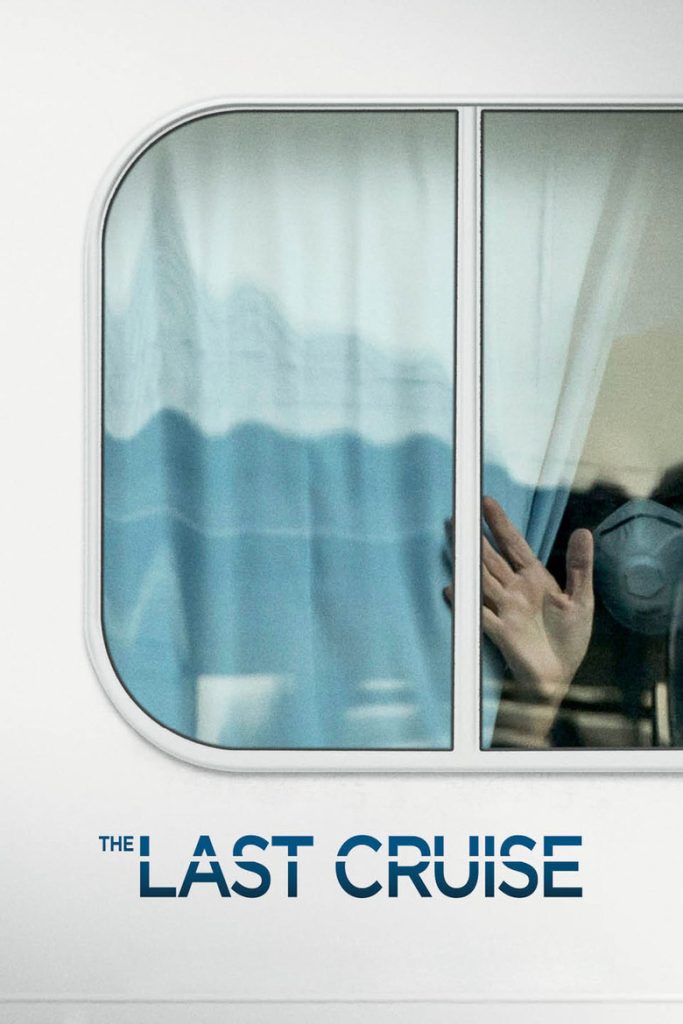
The Last Cruise is a documentary that provides a first-person account of the COVID-19 outbreak aboard the Diamond Princess cruise ship in early 2020. Through intimate footage recorded by passengers and crew, it depicts the fear, confusion, and isolation experienced as the pandemic unfolded on board, offering a real-time look at a global health crisis.
Parent Guide
A documentary about a real-life pandemic crisis that may be emotionally intense for younger viewers. Best for mature children who can process discussions about illness and isolation.
Content breakdown
No physical violence, but depicts the peril of a contagious disease outbreak. Shows people in medical distress and discusses the threat of serious illness.
Contains disturbing real footage of people experiencing fear, anxiety, and isolation during a pandemic. Shows medical personnel in protective gear and discussions of illness and death.
No offensive language noted in the documentary's description.
No sexual content or nudity.
No depiction of substance use.
High emotional intensity due to real people experiencing fear, uncertainty, and isolation during a health crisis. May trigger anxiety in viewers sensitive to pandemic themes.
Parent tips
This documentary deals with the real-life trauma of a pandemic outbreak. It may be distressing for children who have anxiety about illness or separation. Consider watching together to provide context and reassurance. The footage is raw and personal, showing genuine fear and uncertainty.
Parent chat guide
Parent follow-up questions
- How do you think the people on the ship felt when they couldn't go home?
- What are some ways we stay healthy when we're sick?
- Why do you think it was important for people to stay in their rooms on the ship?
- How did the passengers help each other during this difficult time?
- What public health measures were taken on the ship, and how effective do you think they were?
- How does this documentary help us understand the early days of the COVID-19 pandemic?
- What ethical questions does this situation raise about quarantine and individual rights?
- How did this event influence global understanding of pandemic response?
🎭 Story Kernel
The film is less about a cruise ship outbreak than a chilling study of institutional failure and human psychology under duress. It exposes how corporate protocols crumble when faced with unprecedented crisis, prioritizing liability over lives. Passengers transform from vacationers to prisoners, revealing class divides as information becomes currency. The real horror isn't the virus itself but watching systems designed for profit prove incapable of protecting people, creating a slow-motion disaster where every decision compounds the tragedy.
🎬 Visual Aesthetics
The documentary employs a stark, observational style that feels both intimate and claustrophobic. Handheld cameras capture the growing panic in tight corridors, while wide shots of the empty decks emphasize isolation. The color palette shifts from vibrant vacation blues to sterile, fluorescent whites as medical protocols take over. Most powerful are the smartphone videos—grainy, immediate, and authentic—that transform passengers into citizen journalists documenting their own nightmare in real time.
🔍 Details & Easter Eggs
💡 Behind the Scenes
The documentary was filmed in real-time during the Diamond Princess quarantine in February 2020, with filmmakers relying on footage from passengers, crew, and journalists onboard. Director Hannah Olson had to coordinate with subjects across multiple time zones while editing during lockdown. Several passengers became unintentional documentarians, with their smartphone footage providing the most visceral moments. The production faced legal challenges regarding medical privacy while trying to maintain journalistic integrity during a developing global crisis.
Where to watch
Choose region:
- HBO Max
- HBO Max Amazon Channel
- Amazon Video
- Apple TV Store
- Google Play Movies
- YouTube
- Fandango At Home
Trailer
Trailer playback is unavailable in your region.