
The Last Days (1998)
Story overview
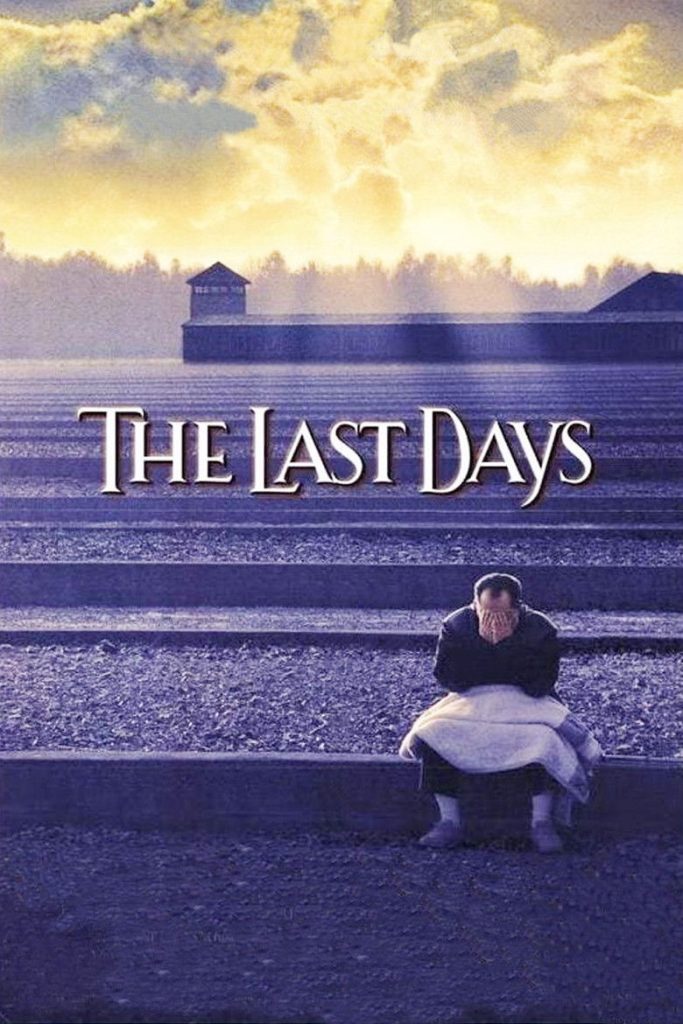
The Last Days is a 1998 documentary that examines the final months of World War II and the Holocaust. It presents historical footage and survivor testimonies to document this tragic period. The film focuses on the experiences of individuals during the closing stages of the war.
Parent Guide
A historical documentary about World War II and the Holocaust with potentially disturbing content. Recommended for mature viewers with parental guidance.
Content breakdown
Historical footage and descriptions of war violence and genocide. Not graphic but emotionally intense.
Themes of persecution, suffering, and mass death. Survivor testimonies may be emotionally challenging.
No concerning language expected in historical documentary context.
No sexual content or nudity expected in this historical documentary.
No substance use content expected.
Deals with heavy historical themes of war, genocide, and human suffering.
Parent tips
This documentary deals with mature historical subject matter including war and genocide. Parents should preview the film to assess its appropriateness for their children's emotional maturity. Consider watching together to provide context and support during difficult moments.
Parent chat guide
Parent follow-up questions
- What did you see in the movie?
- How did the people in the movie feel?
- What was your favorite part?
- Did anything make you feel sad?
- What questions do you have?
- What did you learn about history from this film?
- How do you think people helped each other during hard times?
- What does 'documentary' mean?
- Why is it important to remember history?
- How did the movie make you feel?
- What historical events does this documentary cover?
- Why do you think it's important to preserve survivor stories?
- How does this film help us understand the past?
- What emotions did you experience while watching?
- What questions about history does this raise for you?
- How does this documentary present historical evidence?
- What perspectives does it include or exclude?
- How does this film contribute to our understanding of World War II?
- What ethical questions does this historical period raise?
- How can we apply lessons from history to today's world?
🎭 Story Kernel
The film's true core is not the asteroid threat, but the quiet, devastating study of human connection in its final, fragile state. It rejects grand heroics, focusing instead on the intimate, often mundane, ways people choose to spend their last moments. The driving force isn't survival, but meaning-making. Characters are propelled by the need to reconcile, to confess, to love, or simply to be present. The narrative asks: if the world is ending, what is truly worth doing? The answer is profoundly personal and anti-spectacular, finding profundity in shared silence, a final meal, or holding a hand, arguing that the end of everything amplifies the value of the smallest human gestures.
🎬 Visual Aesthetics
The cinematography is defined by a stark, desaturated palette, leaning into cold blues and grays, visually mirroring the emotional numbness and the literal fading of the world. Camera work is predominantly still and observational, using long, unbroken takes that force the audience to sit in the characters' dread and stillness. There are no sweeping disaster shots; the 'action' is internal. Key symbolism lies in the diminishing crowds and emptying cityscapes—the visual emptiness grows as the deadline approaches. The final scenes often use tight close-ups on faces, making the vast, impersonal apocalypse feel intensely personal, as if the end of the world is happening in the micro-expressions of a single person.
🔍 Details & Easter Eggs
💡 Behind the Scenes
To achieve the film's pervasive atmosphere of authentic dread, the director imposed a 'no music' rule on set during emotional scenes, forcing actors to sit in genuine silence. Many of the sprawling, empty city shots were achieved by filming in the early hours of the morning in downtown Los Angeles, with minimal digital alteration. The lead actor reportedly stayed in character off-camera for the entire shoot, maintaining the character's detached, melancholic state, which several co-stars found challenging but credited for the raw authenticity of their scenes together.
Where to watch
Choose region:
- Netflix
- Netflix Standard with Ads
Trailer
Trailer playback is unavailable in your region.