The Last Kingdom: Seven Kings Must Die (2023)
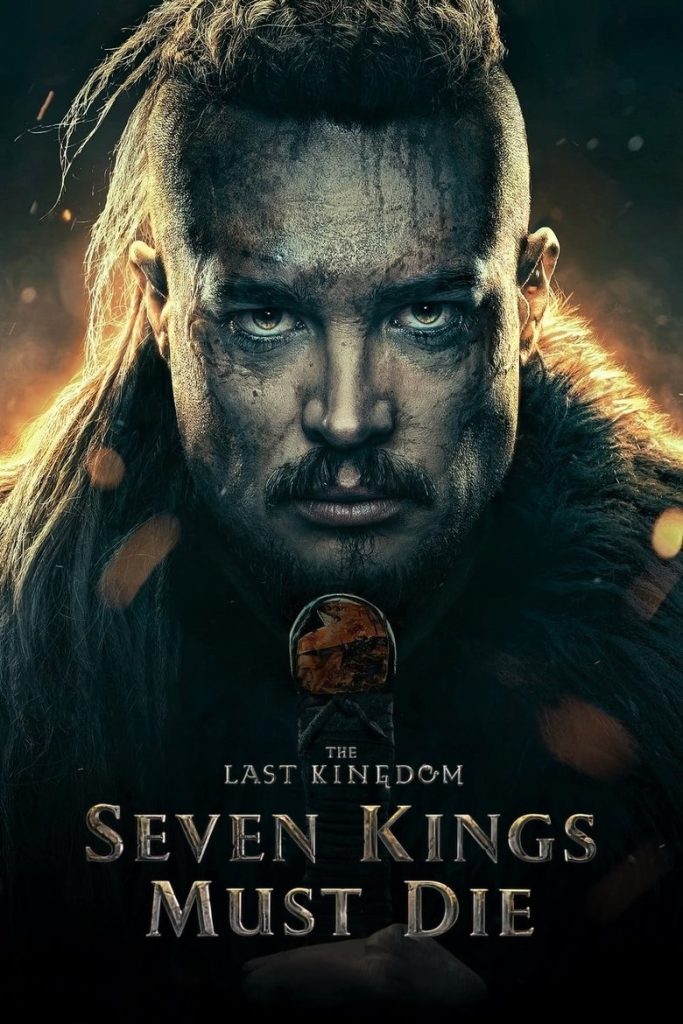
Story overview
This historical action film continues the story from the 'The Last Kingdom' series, set in medieval England during a time of political turmoil and warfare. It follows characters navigating power struggles and battles as various factions vie for control of the kingdom. The narrative explores themes of loyalty, leadership, and the costs of war in a brutal historical setting.
Parent Guide
This TV-MA rated historical action film contains content suitable only for mature audiences due to intense war violence and mature themes.
Content breakdown
Expect intense battle sequences with medieval weaponry, combat injuries, and warfare violence typical of historical war films.
Historical warfare settings may include tense situations, political intrigue, and potentially disturbing battle aftermath.
May include period-appropriate strong language or threats typical of war and political conflict narratives.
Historical dramas may include suggestive content or brief romantic elements, but specifics are unknown.
May include historical depictions of drinking in medieval settings, but specifics are unknown.
High-stakes political conflicts, battle sequences, and character dilemmas create significant emotional intensity.
Parent tips
This film is rated TV-MA, indicating it's intended for mature audiences only. Given the action, adventure, and war genres, expect significant violent content typical of historical battle depictions. Parents should be aware that medieval warfare films often contain intense combat scenes, political intrigue, and potentially disturbing historical elements that may not be suitable for younger viewers.
Parent chat guide
Parent follow-up questions
- What did you think about the people in the movie?
- How did the characters talk to each other?
- What colors did you see in the movie?
- What was your favorite part to watch?
- How did the music make you feel?
- What was the main problem in the story?
- How did the characters try to solve their problems?
- What would you do if you were in charge of the kingdom?
- How did the setting look different from today?
- What makes someone a good leader in the story?
- What historical period do you think this represents?
- How do the characters show loyalty or betrayal?
- What are the costs of war shown in the film?
- How does power change the characters?
- What modern conflicts might be similar to those in the film?
- How does the film portray medieval warfare realistically or dramatically?
- What political themes emerge from the power struggles?
- How do characters balance personal ambition with collective good?
- What historical accuracy issues might exist in the portrayal?
- How does the film comment on leadership and governance systems?
🎭 Story Kernel
The film serves as a condensed meditation on the cost of national unity and the weight of legacy. It centers on the transition from a fragmented heptarchy to a singular England, seen through the strained relationship between Uhtred and his former protégé, Aethelstan. The core theme explores how religious zealotry and the hunger for power can corrupt even the most noble intentions, forcing Uhtred into a final, desperate gambit to fulfill his long-standing oath to the house of Alfred. It is less about the glory of conquest and more about the exhaustion of a man who has spent his life as a bridge between two worlds—Saxon and Dane. The Seven Kings prophecy acts as a grim countdown, emphasizing that the birth of a nation is often a funeral for the old ways, requiring the sacrifice of both kings and the personal peace of those who serve them.
🎬 Visual Aesthetics
Director Edward Bazalgette maintains the series' established gritty realism but elevates the scale for the climactic Battle of Brunanburh. The cinematography utilizes a cold, desaturated color palette that reflects the harsh Northumbrian landscape and the somber tone of this closing chapter. Symbolism is heavily tied to the shield wall—a recurring visual motif that represents not just tactical prowess, but the fragile, hard-won unity of the English people. The use of handheld cameras during combat sequences creates a sense of claustrophobic urgency, contrasting with wide, sweeping shots of the rugged coastline that emphasize Uhtred’s deep connection to Bebbanburg. The visual transition between the physical world and the ethereal halls of Valhalla in the final moments provides a poetic, ambiguous resolution to Uhtred’s spiritual duality, blending the pagan and Christian aesthetics that defined the entire narrative arc.
🔍 Details & Easter Eggs
💡 Behind the Scenes
Although the film covers the events of the final three novels in Bernard Cornwell’s The Saxon Stories—War of the Wolf, Sword of Kings, and War Lord—it condenses several years of historical and fictional chronology into a two-hour runtime. Alexander Dreymon not only returned to star as Uhtred but also served as an executive producer, ensuring the character's journey remained consistent with the previous five seasons. The production returned to its primary filming locations in Hungary, which have doubled for medieval England since the show's inception. The Battle of Brunanburh, often cited by historians as the point where England truly became a nation, was the production's most ambitious sequence.
Where to watch
Choose region:
- Netflix
- Netflix Standard with Ads
Trailer
Trailer playback is unavailable in your region.