
The Last: Naruto the Movie (2014)
Story overview
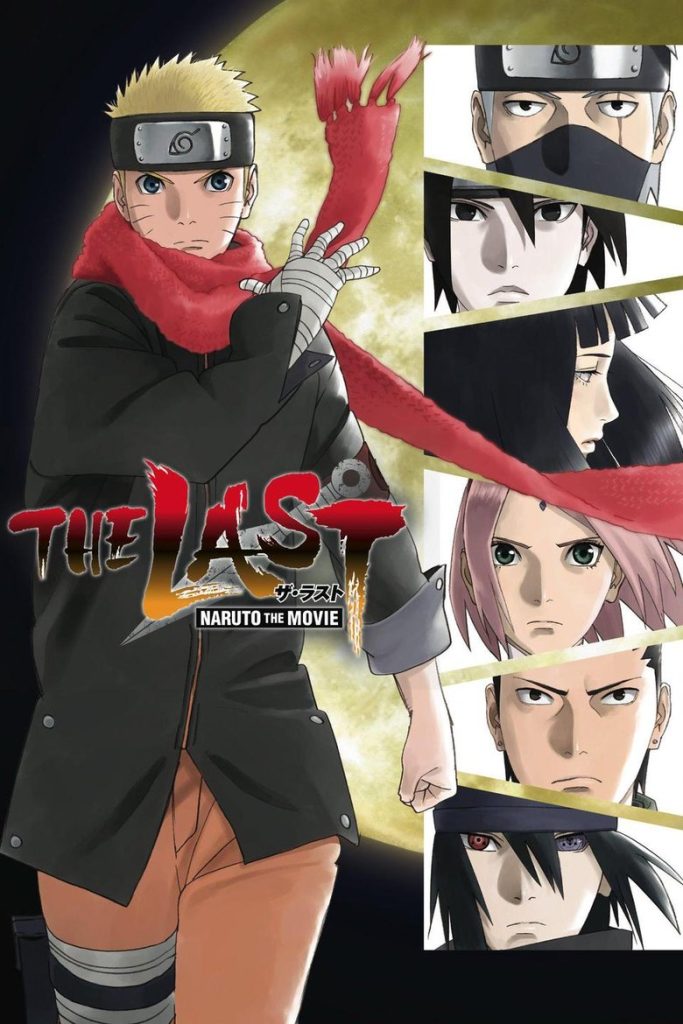
This animated film continues the story of Naruto, a young ninja hero, two years after a major war. When a mysterious threat from the moon endangers the world, Naruto and his friends must rescue a kidnapped character while confronting a powerful enemy. The movie combines intense action sequences with themes of friendship, sacrifice, and protecting loved ones, culminating in a final battle that determines the fate of their world.
Parent Guide
Moderate fantasy violence and intense action sequences make this best for older children and teens, with parental guidance recommended for sensitive viewers.
Content breakdown
Fantasy ninja battles with energy attacks, physical combat, and characters in peril. No graphic injuries shown, but intense fight scenes and high-stakes situations throughout.
Some tense moments during kidnapping and battle sequences, but no horror elements or particularly disturbing imagery. The moon threatening to crash creates apocalyptic tension.
No offensive language noted in typical English dubs/subtitles of this franchise.
Chaste romantic expressions between characters, no sexual content or nudity.
No substance use depicted.
High-stakes rescue mission, character endangerment, and dramatic final battle create emotional tension. Themes of sacrifice and protection may resonate strongly.
Parent tips
This movie features fantasy violence typical of the Naruto series, including ninja battles with energy attacks, physical combat, and perilous situations. While no graphic injuries are shown, there are intense fight scenes and moments where characters are in danger. The TV-14 rating reflects moderate action violence and some emotional intensity that may be intense for younger viewers.
The romantic subplot involves characters expressing feelings for each other in a chaste manner, with no sexual content or nudity. The film explores themes of responsibility, courage, and the importance of protecting others, which can provide good discussion points about heroism and relationships.
At 114 minutes, the movie maintains a fast pace with frequent action sequences. Parents should be aware that younger or more sensitive children might find some battle scenes and the high-stakes peril overwhelming, particularly during the climactic final confrontation.
Parent chat guide
During viewing, if scenes become particularly intense, check in with simple questions like 'How are you feeling about this part?' or 'Do you want to keep watching?' This helps children process emotions in real time without breaking immersion completely.
After the movie, focus conversations on the positive themes: ask about the characters' bravery, how they worked together, and what it means to protect people you care about. Avoid dwelling on scary moments unless your child brings them up, and instead emphasize the heroic aspects and satisfying conclusion.
Parent follow-up questions
- Which character did you like the most?
- What was your favorite color in the movie?
- Did you see any friends helping each other?
- What was something happy that happened?
- How did the movie make you feel?
- What made Naruto a good hero in this story?
- How did the characters work together to solve problems?
- What would you do if you needed to help a friend like they did?
- What was the bravest thing someone did?
- What lesson did the characters learn about friendship?
- What does this movie show about responsibility when you have special abilities?
- How did the characters balance their personal feelings with their duty to protect others?
- What different types of courage did you see in the movie?
- How did the characters grow or change during their mission?
- What does the movie suggest about why people fight to protect their world?
- How does this film handle the theme of sacrifice versus personal desire?
- What commentary does the movie make about using power responsibly?
- How are romantic relationships portrayed alongside the action plot?
- What does the resolution suggest about the cycle of conflict?
- How does this conclusion fit with the broader themes of the Naruto series?
🎭 Story Kernel
At its core, 'The Last: Naruto the Movie' explores the transition from youthful idealism to adult responsibility through the lens of romantic love as a new battlefield. The driving force isn't saving the world—that's almost routine for Naruto now—but saving his chance at personal happiness before it's too late. Hinata's unwavering love becomes the catalyst for Naruto to confront his emotional blindness, while Toneri Otsutsuki represents the dangerous alternative: love twisted into possessive obsession. The moon mission serves as metaphor for reaching for what seems impossibly distant, with Naruto finally realizing that what he's been searching for was always within reach, just requiring him to look inward rather than outward.
🎬 Visual Aesthetics
The film's visual language undergoes a subtle but significant evolution from the series' established style. Moon sequences employ a cooler, desaturated palette with ethereal blues and silvers, creating emotional distance that mirrors Naruto and Hinata's strained relationship. Earth scenes maintain warmer tones, grounding their connection in familiarity. Action sequences shift from pure spectacle to emotional storytelling—Naruto's final clash with Toneri isn't about power levels but about protecting what he's finally recognized as precious. The climactic shot of Naruto catching Hinata mid-fall uses slow-motion not for drama but for intimacy, framing their reunion as the true victory rather than the defeated villain.
🔍 Details & Easter Eggs
💡 Behind the Scenes
This was the first Naruto film produced after Masashi Kishimoto decided to continue the story beyond the manga's conclusion, with Kishimoto personally overseeing character designs and story elements to ensure consistency. The romantic focus marked a deliberate departure from previous films, with the staff studying shoujo manga techniques for emotional scenes. Voice actress Nana Mizuki (Hinata) reportedly cried during recording of the confession scene, requiring multiple takes. The film's release coincided with the series' 15th anniversary, making the theme of moving forward particularly meta-relevant for the franchise itself.
Where to watch
Choose region:
- Netflix
- Netflix Standard with Ads
- Apple TV
- Fandango At Home
- Amazon Video
- Google Play Movies
- YouTube
Trailer
Trailer playback is unavailable in your region.