
The Last of the Sea Women (2024)
Story overview
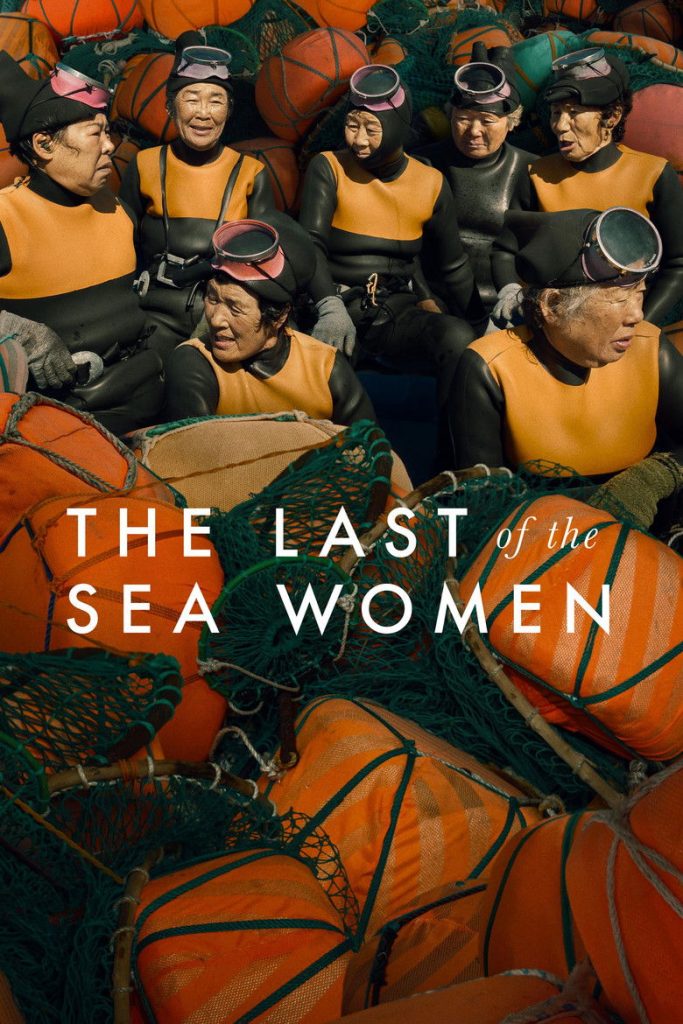
The Last of the Sea Women is a 2024 documentary that follows a group of South Korean divers, known as haenyeo, on Jeju Island as they struggle to preserve their centuries-old cultural tradition against modern challenges. The film explores their deep connection to the ocean, their sustainable harvesting practices, and the threats posed by environmental changes and shifting societal values.
Parent Guide
Educational documentary suitable for most ages with positive messages about cultural preservation, environmental awareness, and women's resilience.
Content breakdown
No violence. Shows divers working in ocean conditions that could be perceived as perilous, but presented as routine work rather than danger.
No scary or disturbing content. The tone is observational and respectful throughout.
No offensive language. Conversations are in Korean with English subtitles, focusing on cultural and environmental topics.
No sexual content. Divers wear full wetsuits while working. No nudity or romantic elements.
No substance use depicted. Shows traditional practices of ocean harvesting without any drug or alcohol content.
Mild emotional moments related to cultural loss and environmental concerns, but presented in a thoughtful, documentary style rather than dramatic intensity.
Parent tips
This documentary offers a respectful look at cultural preservation and environmental awareness. Parents can discuss themes of tradition, resilience, and environmental stewardship. The film shows women diving in wetsuits (no nudity) and depicts their physically demanding work, which might inspire conversations about gender roles and aging gracefully. The emotional tone is contemplative rather than intense.
Parent chat guide
Parent follow-up questions
- What do you think the divers are looking for in the ocean?
- How do the divers help each other?
- What animals did you see in the water?
- Why is it important to protect the ocean?
- What makes the divers' job difficult?
- How do you think the divers feel about their work?
- What challenges do the divers face in preserving their tradition?
- How does climate change affect their livelihood?
- What can we learn from their sustainable practices?
- How does this documentary address gender and aging in traditional societies?
- What are the economic and environmental pressures threatening this culture?
- How does cultural preservation intersect with environmental conservation?
🎭 Story Kernel
The film explores the extraordinary lives of the Haenyeo, the legendary 'sea women' of South Korea’s Jeju Island, who have dived to the ocean floor without oxygen for centuries. It is not merely a cultural retrospective but a pressing contemporary drama. The narrative centers on the existential threat posed by the Fukushima radioactive wastewater release, which transforms these elderly divers into reluctant global activists. By juxtaposing the wisdom of women in their 70s and 80s with the fresh perspective of a younger generation of divers using social media to revitalize the craft, the film examines the tension between heritage and modernity. It is a profound meditation on female independence, the communal bonds of labor, and the devastating impact of environmental negligence on indigenous livelihoods that have existed in harmony with nature for generations.
🎬 Visual Aesthetics
Director Sue Kim and her cinematographic team employ a striking visual palette that contrasts the harsh, weathered textures of the divers' skin with the ethereal, fluid beauty of the underwater world. The cinematography captures the Haenyeo’s physical prowess with a sense of reverence, using sweeping underwater shots that emphasize the scale of the ocean against the solitary figures of the women. On land, the film utilizes intimate close-ups and natural lighting to document the 'Bulteok'—the stone fire pits where the women gather—creating a warm, tactile atmosphere of sisterhood. The visual symbolism of the 'sumbisori' (the whistling sound of their breath) is reinforced through rhythmic editing, making the act of breathing a central motif. The clarity of the water serves as a fragile visual metaphor for a sanctuary that is increasingly threatened by invisible pollutants.
🔍 Details & Easter Eggs
💡 Behind the Scenes
Produced by A24 and Malala Yousafzai’s production company, Extracurricular, the documentary marks a significant cross-cultural collaboration. Director Sue Kim, a Korean-American filmmaker, spent years building rapport with the Jeju Haenyeo community to gain the level of intimacy seen on screen. The film premiered at the 2024 Toronto International Film Festival, where it won the NETPAC Award for its insightful promotion of Asian cinema. The production highlights a culture that was designated as a UNESCO Intangible Cultural Heritage in 2016, bringing global attention to the aging demographic of a profession that is rapidly disappearing.
Where to watch
Choose region:
- Apple TV
- Apple TV Amazon Channel
Trailer
Trailer playback is unavailable in your region.