
The Last Repair Shop (2024)
Story overview
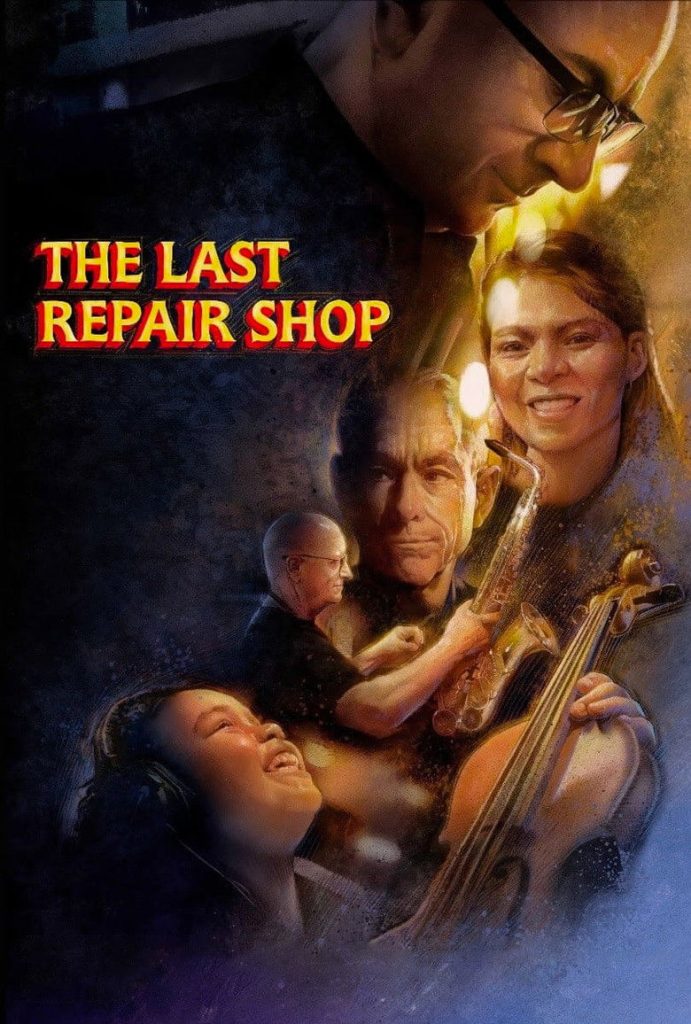
This heartwarming documentary showcases the dedicated craftspeople at America's largest remaining student instrument repair workshop in Los Angeles. Through four compelling personal stories, it reveals how repairing instruments parallels healing lives, bringing music and hope to thousands of schoolchildren.
Parent Guide
A gentle, uplifting documentary suitable for most families. Focuses on positive themes of dedication, craftsmanship, and community service without concerning content.
Content breakdown
No violence, danger, or peril depicted. The documentary focuses entirely on positive workshop activities and personal stories.
Nothing scary or disturbing. Some technicians discuss past personal challenges, but these are presented in a reflective, uplifting manner.
No offensive language. Clean, respectful dialogue throughout.
No sexual content or nudity.
No depiction of substance use.
Some emotional moments as technicians share personal stories of overcoming challenges, but these are handled with sensitivity and ultimately convey hope and resilience.
Parent tips
Perfect for families interested in music, craftsmanship, and inspiring human stories. The documentary's gentle pace and uplifting message make it accessible for most children, though younger viewers might need help understanding some emotional themes. Consider watching together to discuss the value of dedication and community service.
Parent chat guide
Parent follow-up questions
- What was your favorite instrument to see?
- What sounds did the instruments make?
- How do you think the children feel when they get their instruments back?
- Why do you think these people chose to repair instruments?
- How is fixing an instrument like fixing a problem in life?
- What would you like to learn to repair or create?
- How does the documentary show the connection between personal challenges and service to others?
- What does this film teach us about the value of preserving traditional skills?
- How might music education impact a child's development?
- Analyze how the filmmakers use personal narratives to explore broader themes of community and purpose.
- Discuss the socioeconomic factors that might affect access to music education.
- How does this documentary challenge stereotypes about manual labor and craftsmanship?
🎭 Story Kernel
The film explores the profound intersection of craftsmanship and human resilience within a nondescript warehouse in Los Angeles. It centers on the four primary technicians of the LAUSD musical instrument repair shop, who maintain over 80,000 instruments for public school students. The narrative transcends mere technical maintenance, revealing how the act of 'fixing' serves as a metaphor for the technicians' own lives. Each individual—having faced challenges like ethnic persecution, poverty, or personal identity struggles—finds a sense of redemption in their work. The movie expresses that music education is not just an extracurricular activity but a vital lifeline, and the quiet, meticulous labor of these artisans ensures that the next generation has a voice. Ultimately, it is a story about the reciprocal nature of healing: as they restore the instruments, the craft restores them.
🎬 Visual Aesthetics
The cinematography employs intimate, tactile close-ups that transform the mechanical process of repair into a form of visual poetry. The camera lingers on the weathered hands of the technicians, the delicate tension of violin strings, and the intricate soldering of brass, emphasizing the human touch required for artistic expression. The lighting within the workshop is warm and amber-toned, creating an atmosphere of a sacred sanctuary rather than a factory. This warmth contrasts with the more neutral, reflective spaces used for the personal interviews. A significant visual motif is the transition from the silent, dusty precision of the repair bench to the vibrant, soaring energy of the students playing the finished products. The final sequence, featuring a massive student orchestra, serves as a visual and auditory crescendo that validates the quiet, invisible labor documented throughout the film.
🔍 Details & Easter Eggs
💡 Behind the Scenes
The Last Repair Shop won the Academy Award for Best Documentary Short Film at the 96th Oscars in 2024. Los Angeles remains one of the few major U.S. cities to provide free musical instrument repair for its public school students, a tradition maintained since 1959. Co-director Kris Bowers, a highly successful film composer for projects like Green Book and Bridgerton, is himself a product of the LAUSD system, making the documentary a deeply personal tribute. The film was produced by Breakwater Studios and distributed by Searchlight Pictures and the Los Angeles Times.
Where to watch
Choose region:
- Disney Plus
Trailer
Trailer playback is unavailable in your region.