
The Latino List (2011)
Story overview
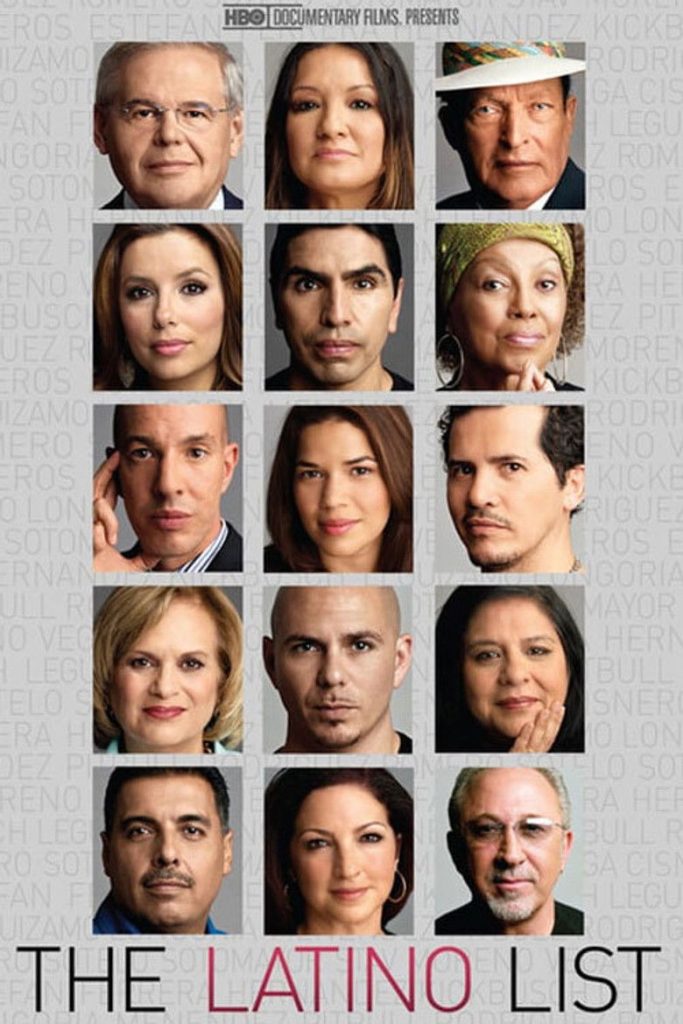
The Latino List is a documentary that features interviews with prominent Latino figures discussing their experiences with race, identity, and success. It provides personal insights into cultural heritage, challenges, and achievements within the Latino community in the United States.
Parent Guide
A mild, educational documentary suitable for children aged 8 and older, focusing on positive themes of culture and achievement with minimal concerning content.
Content breakdown
No violence or peril depicted; the content is interview-based and non-confrontational.
No scary or disturbing imagery; discussions are thoughtful and may include personal challenges but are presented calmly.
No offensive or strong language expected; the interviews are likely to use respectful and formal language.
No sexual content or nudity; the focus is on personal and professional stories.
No depiction or discussion of substance use.
Some emotional moments when interviewees share personal struggles, but overall the tone is uplifting and inspirational.
Parent tips
This documentary is suitable for children aged 8 and up, as it offers educational value on diversity and cultural identity. Parents may want to watch with younger viewers to discuss themes like race and achievement. Note the TV-14 rating, which suggests some content may be more appropriate for teens, but overall it's mild and informative.
Parent chat guide
Parent follow-up questions
—
- What did you learn about different cultures from this movie?
- How do you think people can achieve their dreams like the people in the film?
- How does this documentary help you understand issues of race and identity?
- What challenges do you think the interviewees faced, and how did they overcome them?
- In what ways does this film address systemic issues affecting Latino communities?
- How can we apply the lessons from these stories to promote inclusivity in our own lives?
🎭 Story Kernel
The film expresses the complex tapestry of Latino identity in the United States, moving beyond monolithic stereotypes to reveal individual journeys of struggle, resilience, and self-definition. It's driven by the characters' personal narratives—their memories of migration, experiences with discrimination, and triumphs in various fields. The core theme is the reclamation of narrative: these individuals aren't just subjects of a demographic study but active authors of their own stories, challenging both external misconceptions and internal community debates about what it means to be Latino. The movie reveals how identity is both inherited and constructed, a constant negotiation between heritage and the American experience.
🎬 Visual Aesthetics
The visual aesthetic is grounded in intimate, talking-head interviews against simple, often dark backgrounds, forcing focus onto the subjects' faces and emotions. The camera language is observational yet respectful, using close-ups to capture subtle expressions—a wistful smile recalling homeland, a hardened gaze confronting prejudice. Archival family photos and personal videos are interspersed, adding layers of personal history. The color palette is generally muted, emphasizing authenticity over glamour, though flashes of vibrant color appear in these personal archives, symbolizing the vitality of cultural memory. The style is deliberately unadorned, making the spoken word the primary vehicle of power.
🔍 Details & Easter Eggs
💡 Behind the Scenes
The film is part of HBO's documentary series 'The List,' which also includes 'The Black List' and 'The Out List,' profiling different American communities. It was directed by Timothy Greenfield-Sanders, known for his distinctive portrait photography, which explains the film's visually arresting, intimate interview style. The project involved interviewing a wide range of Latino figures, from actors and musicians to scientists and politicians, across different generations to avoid a single, time-bound perspective. Filming occurred in various locations tailored to the subjects, often in personal or professional spaces familiar to them to elicit more candid reflections.
Where to watch
Choose region:
- HBO Max
- HBO Max Amazon Channel