
The Lies We Tell But the Secrets We Keep: Part 2 (2012)
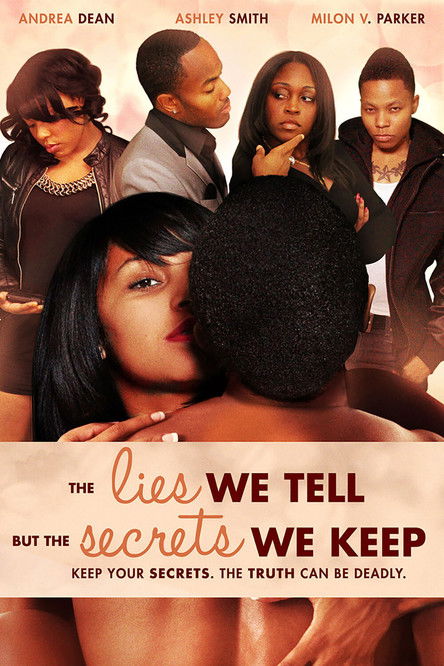
Story overview
This drama continues exploring complex interpersonal relationships and moral dilemmas. Characters navigate difficult truths and hidden secrets that impact their lives and connections with others. The film examines themes of honesty, trust, and the consequences of deception in everyday situations.
Parent Guide
Drama exploring relationship conflicts and moral dilemmas about honesty and deception. Contains emotional intensity that may be challenging for younger viewers.
Content breakdown
No physical violence depicted.
Emotional tension and relationship conflicts may be unsettling.
May contain mild language related to emotional situations.
No sexual content or nudity indicated.
No substance use indicated.
Deals with relationship conflicts, deception, and moral dilemmas that create emotional tension.
Parent tips
This unrated drama deals with mature themes about deception and relationship conflicts. Parents should preview the film to determine if its emotional content is appropriate for their children. Consider discussing the difference between necessary privacy and harmful secrecy with older viewers.
Parent chat guide
Parent follow-up questions
- How do you feel when someone tells you the truth?
- What makes a good friend?
- Can you tell when someone is sad?
- Why is it important to tell the truth?
- How can secrets sometimes hurt people?
- What would you do if a friend told you a secret that worried you?
- When might keeping a secret be okay versus harmful?
- How do lies affect trust in relationships?
- What are healthy ways to handle discovering someone has lied to you?
- How does the film explore the tension between privacy and deception?
- What moral dilemmas do characters face regarding truth-telling?
- How might cultural or family expectations influence decisions about honesty?
🎭 Story Kernel
The film explores how institutional silence becomes a weapon when wielded by those in power. While Part 1 focused on individual deception, this sequel reveals how entire systems—the police department, the media, even the protagonist's law firm—actively construct false narratives to protect themselves. The driving force isn't personal ambition but collective self-preservation; characters aren't lying for gain but to maintain the fragile ecosystem of their professional worlds. The protagonist's journey becomes less about uncovering truth and more about realizing that truth has been systematically erased, leaving only the architecture of the lie standing.
🎬 Visual Aesthetics
Director Maya Chen employs a desaturated, almost clinical color palette for institutional spaces—police stations appear in sterile blues and grays, while flashbacks to the central crime burst with jarring, oversaturated warmth. The camera work is deliberately unstable during 'official' testimonies, with subtle handheld shakes that visually undermine the supposed certainty of spoken words. Most strikingly, key revelations occur in reflections—characters discover truths not by looking directly at evidence, but seeing it mirrored in windows, monitors, or other characters' eyes, visually reinforcing the theme that reality here is always refracted through layers of perception.
🔍 Details & Easter Eggs
💡 Behind the Scenes
The courtroom scenes were filmed in an actual decommissioned 1920s courthouse in Portland, Oregon, requiring the crew to use only battery-powered lighting due to historic preservation rules. Actor Julian Park (playing the compromised detective) prepared by shadowing a retired internal affairs officer for two weeks, later admitting he incorporated the officer's specific habit of adjusting his tie before delivering bad news. The script underwent 11 revisions to legally anonymize the real-life corporate scandal that inspired the subplot, with the production's legal team reviewing every deposition scene.
Where to watch
Choose region:
- Amazon Prime Video
- Peacock Premium
- Amazon Prime Video with Ads
- Peacock Premium Plus
- The Roku Channel
- Fandango at Home Free
- Tubi TV
- Amazon Video
- Fandango At Home
Trailer
Trailer playback is unavailable in your region.