The Lighthouse (2019)
Story overview
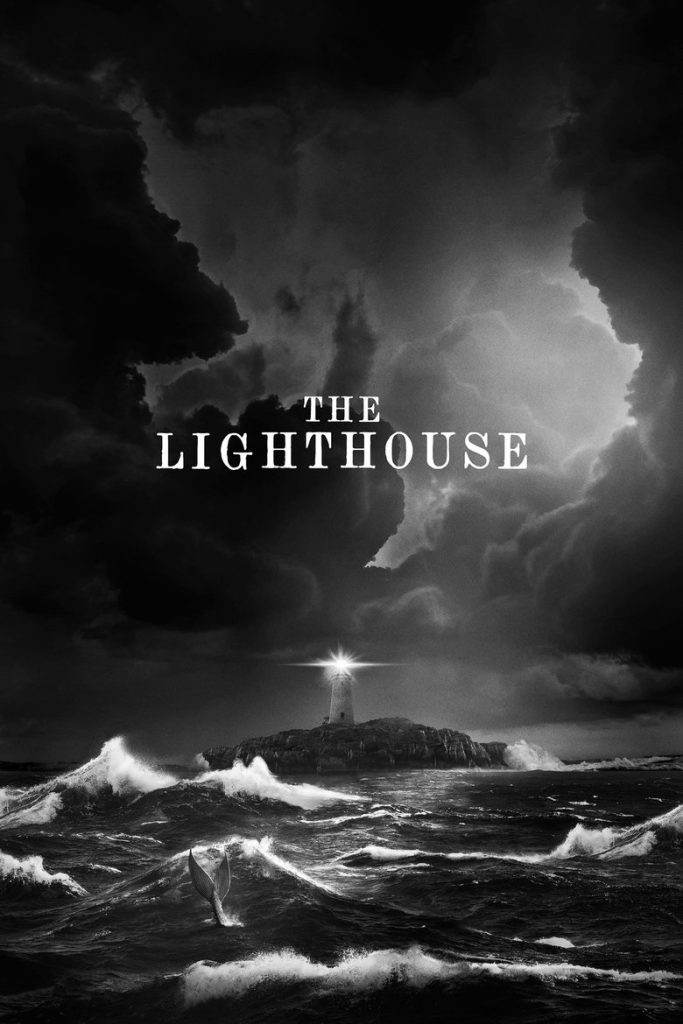
The Lighthouse is a psychological thriller set in the late 19th century about two lighthouse keepers stranded on a remote island. As they battle isolation and harsh conditions, their sanity begins to unravel, leading to paranoia and supernatural visions. The film explores themes of madness, power dynamics, and the human psyche through its atmospheric and surreal storytelling.
Parent Guide
Intense psychological thriller with mature themes, best for older teens and adults.
Content breakdown
Graphic violence including physical altercations, perilous situations, and disturbing imagery.
Psychological horror elements, surreal imagery, and intense scenes of madness and paranoia.
Frequent strong language and crude dialogue throughout.
Some sexual references and brief nudity in surreal contexts.
Characters frequently drink alcohol, with some scenes depicting intoxication.
High emotional intensity with themes of madness, isolation, and psychological breakdown.
Parent tips
This film is rated R for strong language, disturbing imagery, and intense psychological themes. It contains graphic scenes of violence, peril, and surreal horror elements that may be too intense for younger viewers. The slow-burning tension and ambiguous narrative require mature emotional and cognitive processing.
Parent chat guide
Parent follow-up questions
- What do you think a lighthouse does?
- How would you feel living on an island?
- What sounds did you hear in the movie?
- Why do you think the characters argued so much?
- What was the scariest part for you?
- How did the weather affect the story?
- What symbols did you notice in the film?
- How did the isolation change the characters?
- What do you think was real versus imagined?
- How does the film explore themes of madness?
- What commentary does it make about power dynamics?
- How does the black-and-white cinematography affect the mood?
🎭 Story Kernel
At its core, 'The Lighthouse' is a brutal examination of power, isolation, and the corrosive nature of suppressed desire. It's not a ghost story but a psychological vivisection. Ephraim Winslow is driven by a desperate need for identity and escape from a past he's literally buried, seeking the 'light' of the lighthouse as a symbol of transcendence and truth. Thomas Wake is driven by a tyrannical need to possess that light exclusively, hoarding its supposed enlightenment as a means of maintaining dominance. Their conflict becomes a primal struggle over knowledge, purity, and the right to gaze upon the divine, with the island itself acting as a pressure cooker that amplifies their basest instincts until myth and madness become indistinguishable.
🎬 Visual Aesthetics
The film's visual language is a masterclass in oppressive atmosphere, shot in a boxy 1.19:1 aspect ratio on stark black-and-white 35mm film. This choice creates a claustrophobic, archaic frame that feels like a found artifact. The camera is often unsteady, handheld, and invasive, mirroring the characters' deteriorating mental states. Low-angle shots deify the lighthouse and Wake, while high angles crush Winslow. The omnipresent fog, rain, and mud aren't just weather; they're a visual manifestation of the blurred line between reality and hallucination. The lighthouse beam itself is a blinding, almost violent white that promises revelation but delivers only madness.
🔍 Details & Easter Eggs
💡 Behind the Scenes
To achieve the period-authentic look, director Robert Eggers and cinematographer Jarin Blaschke used vintage Baltar lenses from the 1930s and orthochromatic film stock, which is less sensitive to red light, making skies appear unnaturally white and darkening actors' lips. The entire film was shot on location in a purpose-built lighthouse on Cape Forchu, Nova Scotia, with the cast and crew enduring punishing wind, rain, and cold. Willem Dafoe and Robert Pattinson performed their own strenuous physical labor, including shoveling coal and dragging heavy equipment, to authentically portray exhaustion. The script's dense, archaic dialect was heavily researched from period sources like sailor's journals and the works of Sarah Orne Jewett.
Where to watch
Choose region:
- HBO Max
- HBO Max Amazon Channel
- Cinemax Amazon Channel
- Cinemax Apple TV Channel
- Amazon Video
- Apple TV
- Google Play Movies
- YouTube
- Fandango At Home
Trailer
Trailer playback is unavailable in your region.