
The Living Daylights (1987)
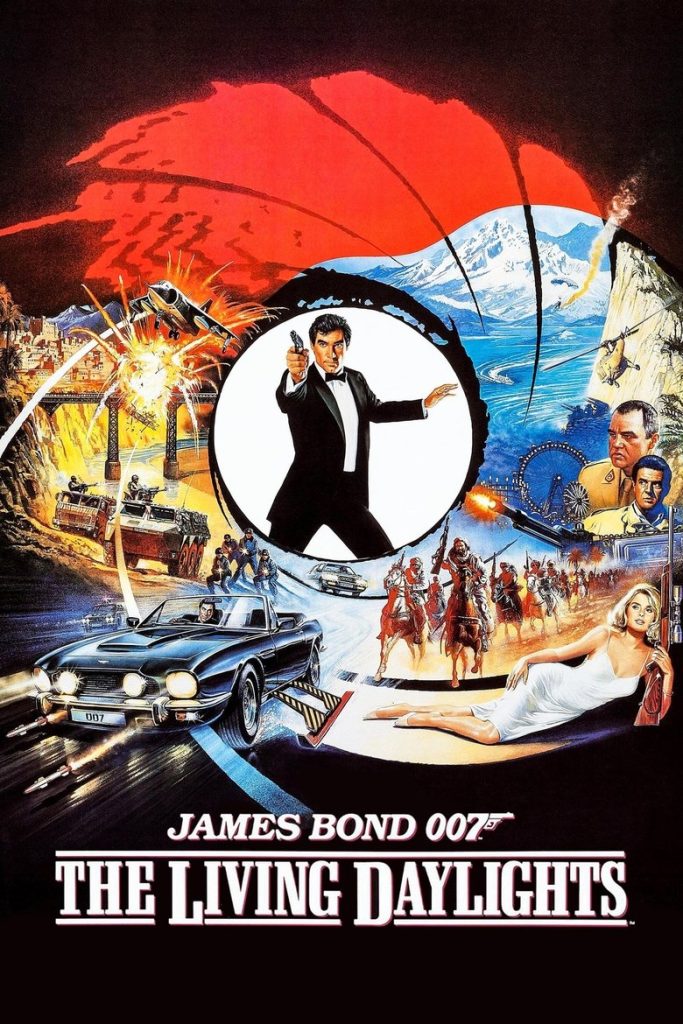
Story overview
In this 1987 James Bond film, British secret agent 007 is tasked with preventing an assassination plot that could escalate Cold War tensions between the Soviet Union and the West. Bond must navigate a complex web of spies, defectors, and double-crosses while protecting a cellist who becomes entangled in the mission. The story involves international intrigue, high-stakes action sequences, and Bond's signature blend of sophistication and danger.
Parent Guide
A classic Bond adventure with moderate action violence and spy thriller tension, suitable for most viewers ages 10+ with parental guidance for younger children sensitive to peril scenes.
Content breakdown
Stylized spy action including shootouts, fistfights, car chases, and explosions. Some characters are killed (mostly off-screen or implied). Moderate peril scenes with characters in danger.
Some tense spy thriller moments and suspenseful sequences. Brief scenes of implied torture (no graphic details shown). No particularly disturbing imagery beyond typical action movie tension.
Minimal strong language. Occasional mild expletives ('hell', 'damn'). No frequent or severe profanity.
Implied romantic relationships and suggestive dialogue typical of Bond films. Some kissing and mild flirtation. No nudity or explicit sexual content.
Social drinking in several scenes (champagne, cocktails). Bond's characteristic martini consumption. No depiction of intoxication or substance abuse.
Moderate tension from spy thriller plot with life-or-death stakes. Some betrayal and moral ambiguity in character relationships. Generally maintains adventure tone rather than heavy drama.
Parent tips
This PG-rated Bond film contains action violence typical of the series but is less intense than later installments. Consider previewing if concerned about spy thriller tension or discussing historical Cold War context with older children. The film features some romantic elements but minimal explicit content.
Parent chat guide
Parent follow-up questions
- Did you like the car chase? What was your favorite part?
- How did Bond help people in the movie?
- What music did you like in the film?
- Why do you think countries have spies?
- How did Bond solve problems without always fighting?
- What would you do if you saw someone being chased like in the movie?
- How does this Bond compare to other versions you've seen?
- What historical events might have inspired this story?
- Do you think the spy gadgets were realistic? Why or why not?
- How does this film reflect 1980s attitudes toward the Cold War?
- What ethical dilemmas did Bond face in his mission?
- How does the film balance entertainment with political commentary?
🎭 Story Kernel
At its core, 'The Living Daylights' explores the moral ambiguity of defection and the personal cost of geopolitical games. Unlike previous Bonds, this film grounds itself in character-driven motivations—James Bond isn't just following orders but wrestling with his conscience when he refuses to assassinate a seemingly innocent cellist. The plot reveals that defection can be a performance, with General Georgi Koskov's escape being an elaborate ruse to manipulate Western intelligence. What drives the characters isn't just duty but betrayal, love, and survival, particularly seen in Kara Milovy's transformation from pawn to active participant. The movie expresses how in espionage, trust is the ultimate currency, and everyone is playing both sides until the music stops.
🎬 Visual Aesthetics
The film's visual language shifts from the glossy excess of Roger Moore's era to a grittier, more realistic aesthetic. Director John Glen employs handheld cameras and natural lighting in action sequences, like the thrilling Aston Martin chase through snowy Austria, emphasizing Bond's vulnerability. The color palette is dominated by cold blues and grays in European settings, contrasting with the warm, earthy tones of Afghanistan, symbolizing the clash between East and West. Action is less about spectacle and more about tension, with practical stunts—such as Bond's escape on a cello case—adding a touch of humor without breaking realism. Symbolism is subtle, like the recurring motif of music and instruments reflecting deception and harmony.
🔍 Details & Easter Eggs
💡 Behind the Scenes
Timothy Dalton's portrayal was influenced by his background in Shakespearean theater, bringing a darker, more serious Bond that diverged from Roger Moore's campiness. The film shot in locations like Vienna, Morocco, and England, with the Afghan scenes filmed in Ouarzazate, Morocco, due to political restrictions. A notable blooper occurred during the cello case sled scene: Dalton accidentally injured his hand, but it was kept in the film. The movie marked the last appearance of the Aston Martin V8 Vantage in the Bond series until 'Casino Royale.'
Where to watch
Choose region:
- Netflix
- Netflix Standard with Ads
- Amazon Video
- Apple TV Store
- Google Play Movies
- YouTube
- Fandango At Home
- Spectrum On Demand
- Plex
Trailer
Trailer playback is unavailable in your region.