
The Lobster (2015)
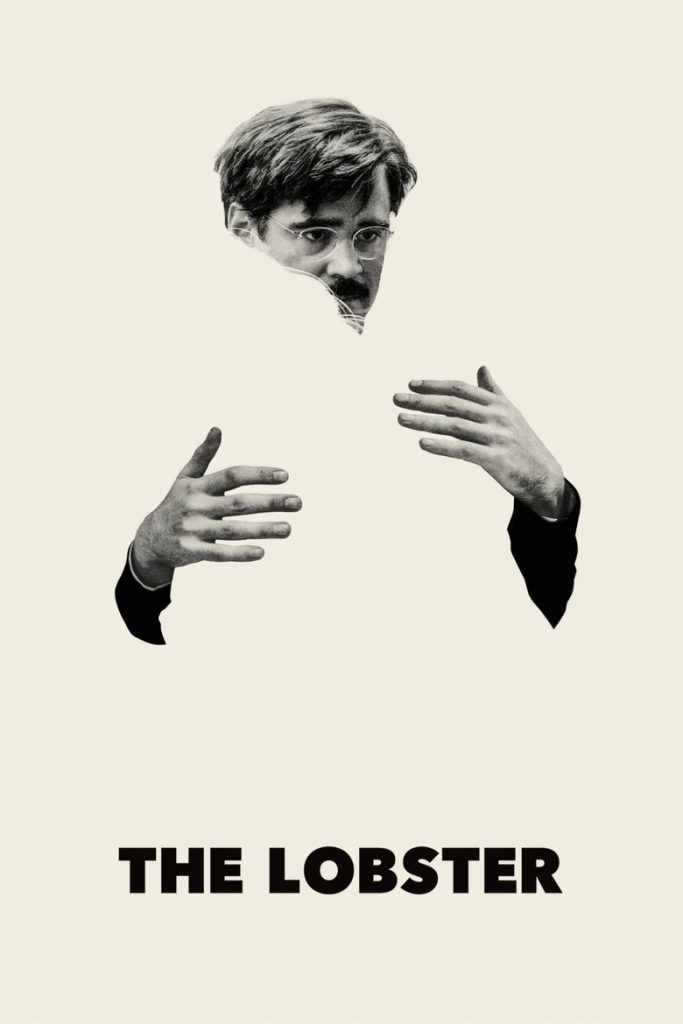
Story overview
The Lobster is a dark comedy-drama set in a dystopian society where single people are sent to a hotel and given 45 days to find a romantic partner or be transformed into an animal of their choice. The film follows a recently divorced man as he navigates this bizarre system, exploring themes of conformity, loneliness, and societal pressure. Its surreal premise and satirical tone create a thought-provoking examination of relationships and individuality.
Parent Guide
A darkly satirical film with mature themes about societal pressure, relationships, and conformity. Contains surreal elements and emotional intensity that require mature interpretation.
Content breakdown
Some scenes of peril and implied violence within the dystopian system. Includes tense situations and consequences for rule-breaking.
Surreal and dystopian elements may be unsettling. The premise of forced transformation and societal control creates disturbing implications.
Occasional strong language consistent with R rating. Not excessive but present in emotional moments.
Themes about relationships and sexuality are central to the plot. Some sexual references and situations, though not graphic.
Social drinking shown in some scenes. Not a prominent element of the film.
High emotional intensity around themes of loneliness, pressure, and existential choices. Characters face difficult decisions with serious consequences.
Parent tips
This film is rated R for mature themes and content. It contains dark humor, emotional intensity, and some disturbing scenes that may not be suitable for younger viewers. Parents should preview the movie or research specific content warnings before deciding if it's appropriate for their teenagers.
The film's abstract concepts about societal pressure and relationships may be confusing or unsettling for younger audiences. Its dystopian setting and surreal elements require mature interpretation. Consider your child's sensitivity to existential themes and dark comedy before viewing.
Discussion after watching can help process the film's complex ideas. Focus on the movie's commentary about conformity versus individuality rather than its more intense moments.
Parent chat guide
Discuss the societal rules presented in the film and how they compare to real-world pressures about relationships. Ask questions like 'What did you think about the hotel's system?' or 'How did the characters respond to these rules?'
If your teen found certain scenes confusing or unsettling, acknowledge their feelings while steering conversation toward the film's broader messages. Avoid graphic details but validate emotional responses to the material.
Parent follow-up questions
- Did you see any animals in the movie?
- What colors did you notice most?
- Was there any music you liked?
- Did the people look happy or sad?
- What was your favorite part to watch?
- What was the strangest rule in the hotel?
- Why do you think people had to find partners?
- How did the main character feel about being there?
- What animal would you choose to become?
- What made this movie different from other stories?
- What message do you think the movie was trying to share?
- How did the hotel rules affect how people acted?
- What does 'conformity' mean in this story?
- Why might someone choose to be alone instead of with a partner?
- How did the setting help tell this story?
- How does the film critique societal expectations about relationships?
- What commentary does it make about loneliness versus connection?
- How effective was the dark humor in conveying serious themes?
- What does the transformation concept symbolize about identity?
- How does the dystopian setting amplify the film's messages about conformity?
🎭 Story Kernel
The Lobster satirizes societal pressures to conform to romantic norms by presenting a world where single people are forced to find partners within 45 days or be transformed into animals. The film explores how institutionalized coupling strips relationships of authenticity, reducing them to transactional matches based on superficial similarities. David's journey from the hotel's rigid system to the forest's militant singleness reveals both extremes as equally dehumanizing. The movie questions whether true connection can exist when love becomes either compulsory or forbidden, ultimately suggesting that genuine relationships defy systematic categorization.
🎬 Visual Aesthetics
Yorgos Lanthimos employs a deliberately flat, almost clinical visual style with symmetrical compositions and static shots that mirror the characters' emotional detachment. The color palette shifts from the hotel's muted, institutional grays and browns to the forest's cooler, more natural tones, visually distinguishing between societal conformity and rebellious isolation. Long takes and minimal camera movement create an observational distance, forcing viewers to confront the absurdity without cinematic manipulation. The transformation scenes are notably matter-of-fact, presented without special effects fanfare, making the horror feel bureaucratic rather than sensational.
🔍 Details & Easter Eggs
💡 Behind the Scenes
Colin Farrell gained 40 pounds for his role as David to appear more ordinary and less like a typical Hollywood leading man. The film was shot in Ireland, with the hotel scenes filmed at the Parknasilla Resort in Kerry. Rachel Weisz's narration was recorded separately from filming, creating the detached, documentary-like quality. Director Yorgos Lanthimos insisted actors deliver lines with minimal emotion, resulting in the distinctive deadpan performances that became the film's signature tone.
Where to watch
Choose region:
- HBO Max
- HBO Max Amazon Channel
- Amazon Video
- Apple TV
- Google Play Movies
- YouTube
- Fandango At Home
- Spectrum On Demand
Trailer
Trailer playback is unavailable in your region.