
The Loneliest Whale: The Search for 52 (2021)
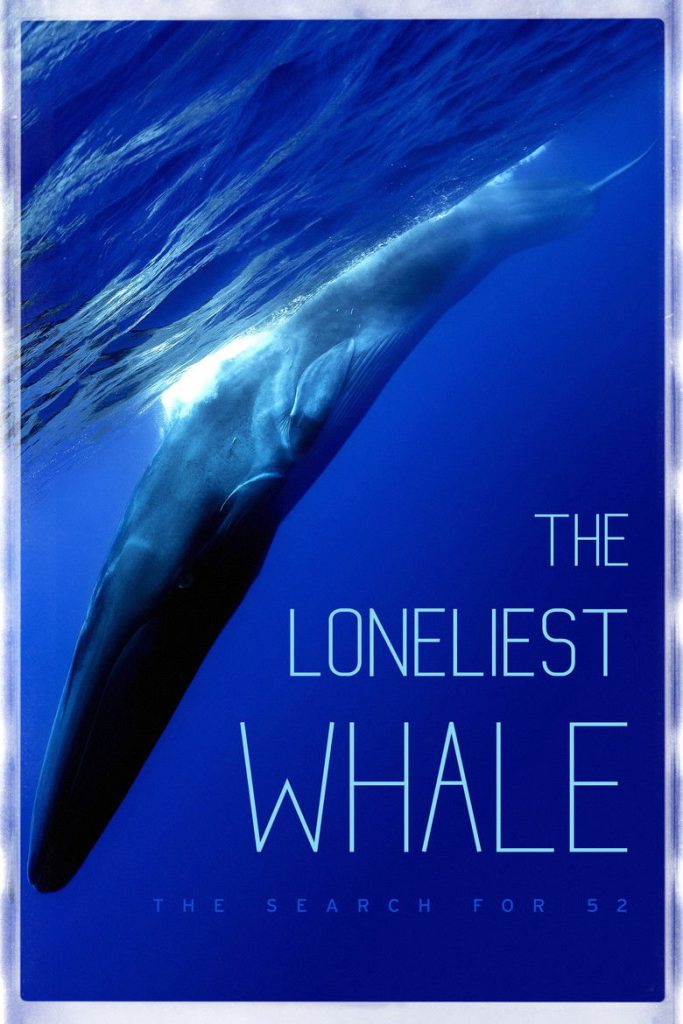
Story overview
This documentary follows scientists on an ocean expedition to locate the '52 Hertz Whale,' an elusive creature whose unique vocalizations have made it unable to communicate with other whales. Through this search, the film explores themes of loneliness, connection, and humanity's relationship with marine life and the natural world.
Parent Guide
Gentle documentary suitable for elementary school children and up, focusing on scientific discovery and emotional themes without concerning content.
Content breakdown
No violence or peril depicted. The film shows scientific research and ocean exploration without dangerous situations.
The concept of a lonely whale might be emotionally poignant for sensitive children, but no frightening imagery or scenes.
No offensive language. Scientific and documentary-style narration throughout.
No sexual content or nudity.
No substance use depicted.
Themes of loneliness and isolation might evoke empathy or sadness, but presented in a thoughtful, documentary context.
Parent tips
This PG-rated documentary is appropriate for most children, focusing on scientific exploration and emotional themes rather than intense content. The whale's story may prompt discussions about empathy, loneliness, and environmental conservation. Some scenes of ocean exploration and scientific equipment might interest technically-minded children.
Parent chat guide
Parent follow-up questions
- What sounds do whales make?
- Why is the whale lonely?
- What do scientists do on boats?
- Why can't other whales hear the 52 Hertz Whale?
- How do scientists track animals in the ocean?
- What does loneliness feel like?
- What technologies are used to study marine life?
- How does human activity affect whale communication?
- What ethical questions does this research raise?
- How does the film use the whale as a metaphor for human experience?
- What are the environmental implications of ocean noise pollution?
- How does documentary filmmaking shape scientific narratives?
🎭 Story Kernel
The film's true subject is not the elusive 52-hertz whale, but the human obsession with connection and meaning projected onto it. The driving force is not scientific discovery, but a collective, almost therapeutic need to resolve a haunting metaphor. The scientists and filmmakers become characters in their own existential drama, using sonar and cameras to chase a creature that symbolizes our own loneliness. The climax isn't finding the whale, but the profound realization that the quest—the shared purpose, the community formed, the stories told—was the real antidote to the isolation the whale's song represented. The movie argues we are all 52-hertz whales, broadcasting on frequencies we fear no one can hear.
🎬 Visual Aesthetics
The cinematography masterfully contrasts vast, impersonal oceanscapes with intimate, claustrophobic shots inside the research vessel. The color palette is dominated by deep blues and grays of the open sea, punctuated by the warm, artificial glow of sonar screens and control rooms—visually separating the natural mystery from human interpretation. Underwater sequences use slow, sweeping camera movements that mimic the whale's presumed journey, creating a meditative, searching rhythm. Key symbolism lies in the visualization of sound: the 52-hertz call is rendered as a lonely, pulsing waveform against a black screen, a stark graphic representation of isolation that becomes the film's most powerful recurring image.
🔍 Details & Easter Eggs
💡 Behind the Scenes
The documentary is directed by Joshua Zeman, known for investigative films. The central quest was led by oceanographer Dr. John Hildebrand. The production faced immense logistical challenges, coordinating a real scientific expedition in the Pacific Ocean. The team used a former U.S. Navy surveillance ship, the R/V Truth, outfitted with a military-grade hydrophone array capable of detecting the whale's unique frequency. Notably, the famous 52-hertz recordings that inspired the film were originally analyzed by Dr. William Watkins of the Woods Hole Oceanographic Institution in the 1980s and 1990s, long before the public mythologized the whale.
Where to watch
Choose region:
- Netflix
- Netflix Standard with Ads
- Fandango at Home Free
- Tubi TV
- Amazon Video
- Apple TV Store
- Google Play Movies
- YouTube
- Fandango At Home
Trailer
Trailer playback is unavailable in your region.