
The Lost Children (2024)
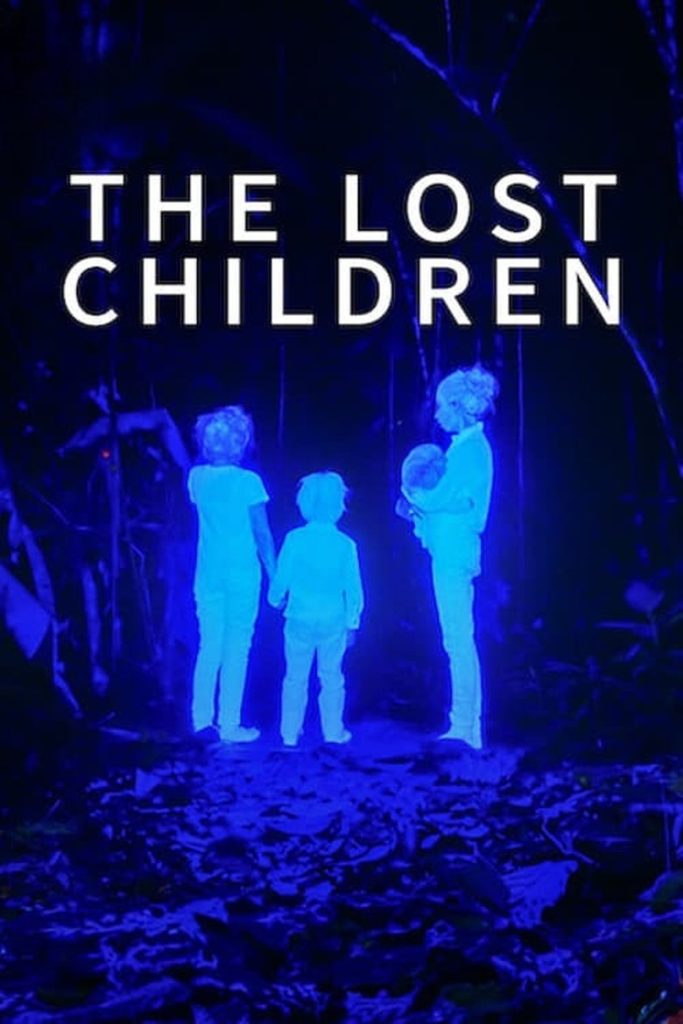
Story overview
This documentary follows four indigenous children who survive a plane crash in the Colombian Amazon. Using ancestral wisdom passed down through generations, they navigate the dangerous jungle while an unprecedented international rescue mission searches for them. The film explores themes of resilience, cultural heritage, and the bond between humans and nature.
Parent Guide
A documentary about survival and cultural resilience with intense real-life peril. Best for mature children who can handle emotional intensity and discussions about danger.
Content breakdown
Contains peril from the plane crash aftermath and survival challenges in the jungle. No graphic violence, but tense rescue scenes and implied danger from environment.
Potentially disturbing scenes of children in peril, emotional interviews with family members, and tense rescue operations. The documentary style makes events feel immediate and real.
Spanish dialogue with English subtitles. No strong profanity. Some emotional exclamations during intense moments.
No sexual content or nudity. Children are shown in survival situations wearing appropriate clothing.
No substance use depicted.
High emotional intensity due to real children in peril, family interviews showing distress, and tense rescue operations. Themes of survival against odds create sustained emotional engagement.
Parent tips
This documentary contains intense survival situations and emotional moments that may be challenging for younger viewers. Consider watching together to discuss the children's resilience and cultural heritage. The film portrays real peril but focuses on hope and survival.
Parent chat guide
Parent follow-up questions
- What animals did you see in the jungle?
- How did the children help each other?
- What would you take if you went on an adventure?
- Why was the children's cultural knowledge important for survival?
- How did different countries work together in the rescue?
- What would be hardest about being lost in the jungle?
- How does this documentary challenge stereotypes about indigenous knowledge?
- What ethical questions does the rescue mission raise?
- How does the film balance hope with realistic danger?
- Analyze how the documentary frames Western vs. indigenous knowledge systems.
- Discuss the political implications of international rescue missions.
- How does the film use cinematography to create emotional impact?
🎭 Story Kernel
At its heart, the film explores the miraculous survival of four Indigenous children in the Colombian Amazon, but it transcends a simple rescue narrative to examine a rare moment of national unity. It delves into the friction and eventual synergy between the Colombian military’s rigid tactical approach and the Indigenous Guard’s spiritual, intuitive understanding of the rainforest. The movie expresses the profound resilience of the Huitoto culture, illustrating how traditional knowledge passed down through generations became a literal lifeline. It frames the 40-day ordeal not as a battle against nature, but as a journey of endurance where the jungle acts as both a formidable adversary and a protective sanctuary, ultimately highlighting the children's agency and the cultural heritage that kept them alive against impossible odds.
🎬 Visual Aesthetics
The cinematography masterfully balances the claustrophobic, emerald density of the Amazon with the cold, detached perspective of military technology. By weaving together gritty body-cam footage from soldiers, aerial thermal imaging, and evocative reenactments, the film creates a visceral sense of the 'green hell.' The visual language emphasizes the scale of the search, contrasting the heavy gear of the special forces with the minimalist, agile presence of the Indigenous volunteers. Symbolism is found in the recurring imagery of the dense canopy, which serves as a veil that hides and eventually reveals the children. The lighting often mimics the transition from the harsh daylight of the search to the terrifying, pitch-black nights, effectively conveying the psychological strain on both the rescuers and the lost siblings.
🔍 Details & Easter Eggs
💡 Behind the Scenes
Director Orlando von Einsiedel, an Oscar winner for 'The White Helmets,' collaborated with Lali Houghton to ensure the story remained grounded in the perspectives of those actually involved. The production was a massive logistical undertaking, involving deep cooperation with the Colombian Ministry of Defense and the Indigenous authorities. It features unprecedented access to the soldiers and scouts who walked the ground. Interestingly, the film avoids sensationalizing the crash itself, instead focusing on the cultural and human elements of the search, reflecting von Einsiedel’s signature style of documenting human bravery and resilience in extreme environments.
Where to watch
Choose region:
- Netflix
- Netflix Standard with Ads
Trailer
Trailer playback is unavailable in your region.