
The Lost Husband (2020)
Story overview
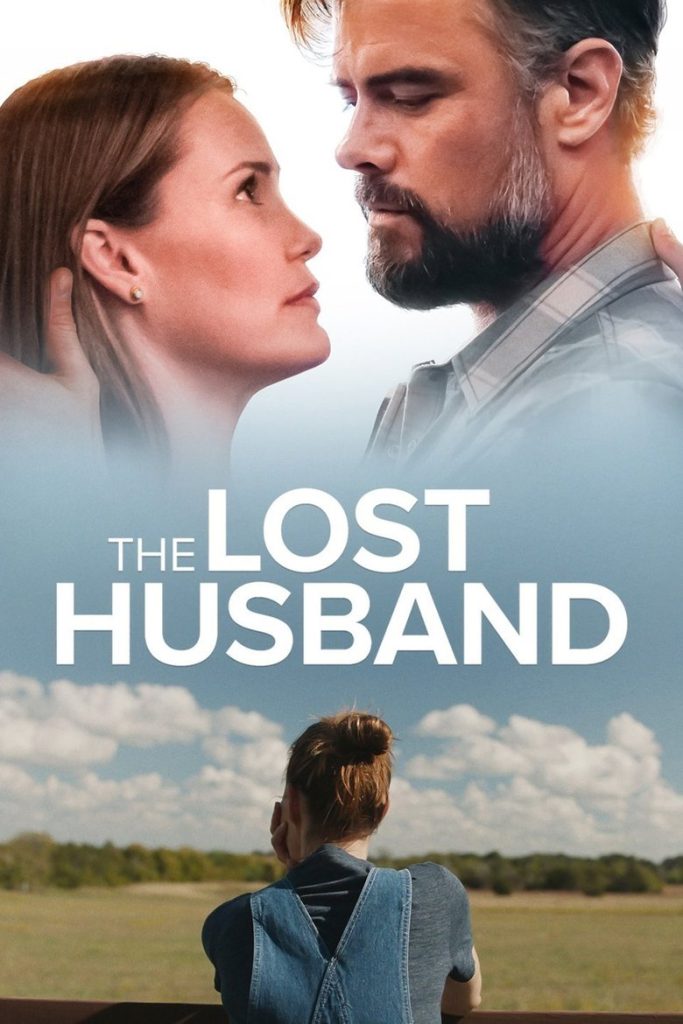
The Lost Husband is a 2020 PG-13 drama-romance film directed by Vicky Wight, starring Leslie Bibb and Josh Duhamel. After her husband's death, Libby moves with her two children to her aunt's goat farm in rural Texas to rebuild their lives. The story follows Libby as she navigates grief, reconnects with family, finds new purpose through farm work, and develops a tentative romance with a local man, all while helping her children adjust to their new environment.
Parent Guide
A gentle drama about grief and renewal with positive messages about family, work, and moving forward. Most content is appropriate for mature children, with the PG-13 rating reflecting emotional themes rather than graphic content.
Content breakdown
No violence or physical peril. The central conflict is emotional rather than physical.
Themes of death and grief may be emotionally intense for sensitive viewers, particularly children who have experienced loss. No frightening imagery or jump scares.
Very minimal language, possibly occasional mild exclamations. No strong profanity.
Brief kissing between adults in developing romantic relationship. No sexual situations, nudity, or suggestive content.
No depiction of alcohol, drugs, or tobacco use.
Central theme of coping with spousal/parental death creates consistent emotional weight. Characters express grief, frustration, and vulnerability realistically but not overwhelmingly. Uplifting resolution provides emotional balance.
Parent tips
This film deals sensitively with themes of grief and loss, which may require explanation for younger viewers. The PG-13 rating primarily reflects emotional intensity rather than objectionable content. Parents should be prepared to discuss death, healing, and family dynamics. The rural farm setting provides positive messages about hard work, community, and resilience. Mild romantic elements are appropriate for teens, with only brief kissing shown.
Parent chat guide
Parent follow-up questions
- Did you like seeing the goats on the farm?
- How do you think the children felt moving to a new home?
- What ways did the family help each other?
- Why do you think Libby moved to the farm after her husband died?
- How did working with animals help the family feel better?
- What did you learn about being brave when things are hard?
- How does the film show different ways people grieve?
- What responsibilities come with taking care of animals?
- How do the romantic elements fit into the story of healing?
- How realistically does the film portray the process of rebuilding after loss?
- What does the farm setting symbolize about starting over?
- How do the relationships evolve beyond simple romance to support healing?
🎭 Story Kernel
At its core, 'The Lost Husband' explores how grief can be a catalyst for rediscovering one's identity rather than just an ending. Libby's journey isn't merely about moving on from her husband's death but about confronting the life she'd been passively living. The film suggests that true healing comes from engaging with tangible work—milking goats, repairing fences—that grounds her in the present. Her aunt's gruff exterior masks a parallel narrative of regret and resilience, showing how both women use the farm to rebuild themselves. The romantic subplot with James serves as a mirror to Libby's emotional thaw, but the central drive remains her reclamation of agency through labor and connection to the land.
🎬 Visual Aesthetics
The film employs a warm, sun-drenched color palette dominated by golden hour hues and earthy tones, visually contrasting the sterile urban life Libby leaves behind. Cinematography favors intimate close-ups during emotional revelations, while wide shots of the Texas hill country emphasize her smallness within a larger, healing landscape. The camera lingers on tactile details—hands in soil, cheese curds forming—symbolizing Libby's reconnection to physical reality. Lighting often frames characters through windows or doorways, suggesting transitions between emotional states. The pastoral visuals aren't just pretty backdrop; they're active participants in the narrative, with the changing seasons mirroring Libby's gradual renewal.
🔍 Details & Easter Eggs
💡 Behind the Scenes
The film was shot on an actual working goat farm in Texas, with actors performing real farm chores under supervision. Josh Duhamel learned to milk goats authentically for his role, while Leslie Bibb spent time with widows to understand grief's physical manifestations. Director Vicky Wight adapted the screenplay from Katherine Center's novel, deliberately choosing to emphasize the tactile nature of farm work over purely romantic elements. The goat cheese shown is produced locally where filming occurred, and several crew members had agricultural backgrounds to ensure authenticity in the farming sequences.
Where to watch
Choose region:
- Netflix
- Amazon Prime Video
- Netflix Standard with Ads
- Amazon Prime Video with Ads
- Amazon Video
- Apple TV Store
- Fandango At Home
Trailer
Trailer playback is unavailable in your region.