
The Loving Story (2011)
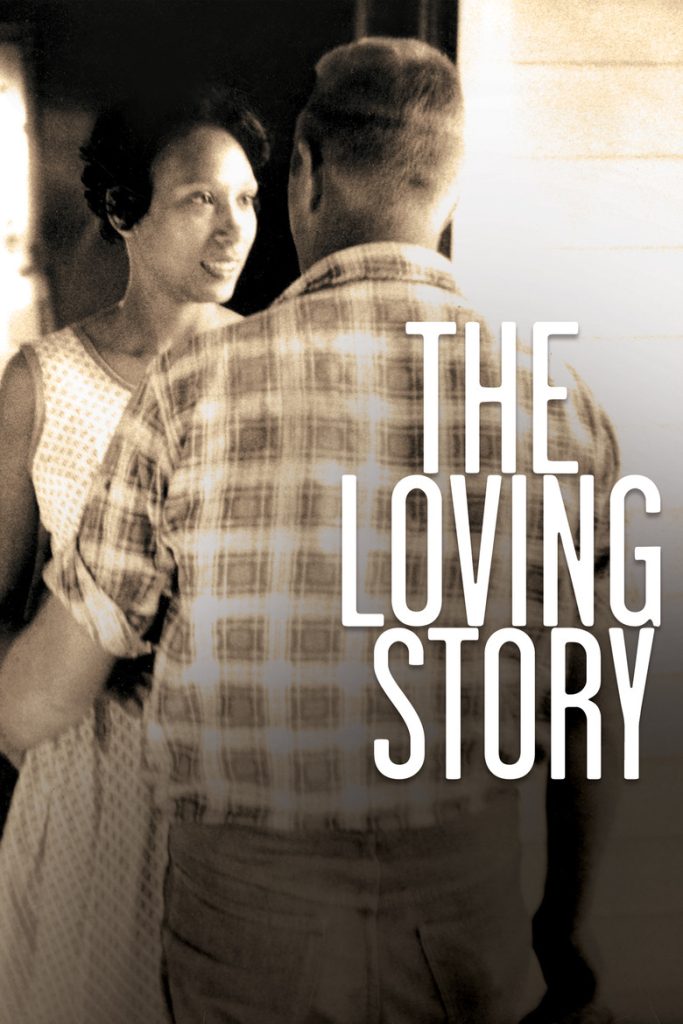
Story overview
This documentary tells the true story of Richard and Mildred Loving, an interracial couple who challenged Virginia's anti-miscegenation laws in the 1950s and 1960s. Their landmark Supreme Court case, Loving v. Virginia, ultimately struck down laws prohibiting interracial marriage nationwide. The film combines historical footage, photographs, and interviews to present their personal struggle against racial discrimination and their fight for the right to marry.
Parent Guide
Educational documentary about civil rights and interracial marriage with no concerning content. Suitable for children 8+ with parental guidance to explain historical context.
Content breakdown
Mentions of arrests and legal persecution, but no physical violence shown. Historical context includes racial discrimination.
Discussion of racial injustice and legal persecution may be upsetting to sensitive viewers, but presented in a documentary style without graphic imagery.
No offensive language noted in this historical documentary.
No sexual content or nudity. Focus is on marriage rights and legal struggle.
No depiction of substance use.
Emotional weight comes from the injustice faced by the couple and the significance of their legal victory. The tone is respectful and educational rather than sensational.
Parent tips
This documentary provides an excellent opportunity to discuss civil rights, racial equality, and the importance of love overcoming prejudice. The content is educational and historically significant, but younger children may need help understanding the legal and social context. The film presents discrimination matter-of-factly without graphic violence, making it suitable for family viewing with appropriate guidance.
Parent chat guide
Parent follow-up questions
- What colors were the people in the movie?
- Did the people in the movie look happy or sad?
- What is a family?
- Why did the police arrest Richard and Mildred?
- What is a law?
- What does 'fair' mean?
- What was 'segregation'?
- Why did some states have laws against interracial marriage?
- What is the Supreme Court and what does it do?
- How did the Lovings' case connect to the broader Civil Rights Movement?
- What legal arguments were used in Loving v. Virginia?
- How does this historical case relate to current debates about marriage equality?
🎭 Story Kernel
The film reveals that 'The Loving Story' is fundamentally about intimacy as political resistance. While the legal battle against anti-miscegenation laws provides the framework, the documentary's true engine is the quiet, unshakeable domesticity of Richard and Mildred Loving. Their motivation isn't ideological grandstanding but the simple, profound desire to live in peace as a family in their home state of Virginia. The film masterfully contrasts the impersonal, cold language of the courtroom ('The State of Virginia vs. Mildred and Richard Loving') with the warm, tactile reality of their marriage—holding hands, raising children, sharing a bed. It argues that the most powerful challenge to systemic hatred isn't always a shouted protest, but can be the silent, stubborn fact of a loving home.
🎬 Visual Aesthetics
The film's power is rooted in its archival verité style. The grainy, black-and-white home movie footage, shot by Hope Ryden and others, provides an unguarded intimacy. The camera lingers on small gestures: Richard's hand resting on Mildred's pregnant belly, the quiet exhaustion in their faces during legal strategizing. There are no dramatic recreations. The color palette is the muted reality of 1960s Virginia. The 'action' is often domestic stillness, which becomes profoundly tense against the backdrop of potential arrest. This visual language makes the political personal, grounding a landmark Supreme Court case in the texture of everyday life—laundry, car rides, and shared glances that speak louder than any legal brief.
🔍 Details & Easter Eggs
💡 Behind the Scenes
The documentary is constructed almost entirely from rediscovered 16mm film reels and photographs shot by LIFE magazine photographer Grey Villet and filmmaker Hope Ryden, who embedded with the Lovings in the mid-1960s. This treasure trove of footage was largely unseen for decades. Director Nancy Buirski spent years tracking it down and clearing rights. Notably, the Lovings themselves were famously private and media-shy; the intimate access captured here is exceptionally rare. The film's audio includes the actual, previously unheard recordings of the couple's soft-spoken conversations with their lawyers, providing the raw, authentic texture that defines the film's emotional core.
Where to watch
Choose region:
- HBO Max
- HBO Max Amazon Channel
- Fandango at Home Free
- Tubi TV
- Amazon Video
- Apple TV Store