
The Making of Mickey’s Christmas Carol (1984)
Story overview
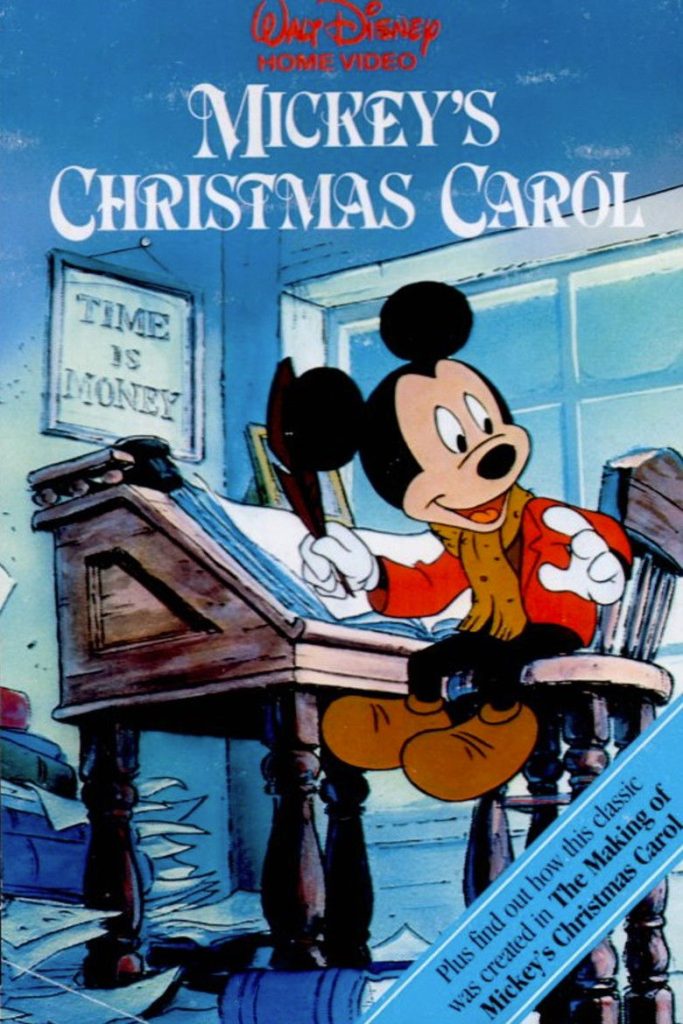
This 24-minute documentary from 1984 provides a behind-the-scenes look at the creation of 'Mickey's Christmas Carol' (1983). It features interviews and insights from key Disney animators and voice actors, including Wayne Allwine (Mickey Mouse), David Block, Mark Henn, Glen Keane, and James MacDonald, offering a family-friendly glimpse into animation techniques and production processes.
Parent Guide
A safe, educational documentary with no concerning elements, ideal for family viewing.
Content breakdown
No violence or peril; focuses solely on animation production.
No scary or disturbing content; all material is light and informative.
No offensive language; uses family-appropriate dialogue throughout.
No sexual content or nudity.
No depiction or reference to substance use.
Low emotional intensity; maintains a calm, educational tone.
Parent tips
This documentary is suitable for all ages, focusing on animation and storytelling without concerning content. It's an educational choice for families interested in filmmaking or Disney history, with a short runtime that holds attention well.
Parent chat guide
Parent follow-up questions
- Can you draw a character like Mickey?
- What was your favorite part of the movie-making?
- Why do you think animators use drawings to tell stories?
- How does voice acting help bring characters to life?
- What challenges might animators face when creating a film like this?
- How has animation technology changed since 1984?
- What role does documentary filmmaking play in preserving artistic history?
- How does this documentary reflect Disney's cultural impact in the 1980s?
🎭 Story Kernel
At its core, this short film isn't just adapting Dickens—it's testing whether Disney's established characters could carry serious emotional weight. Mickey Mouse, typically a symbol of cheerful innocence, becomes the everyman crushed by economic anxiety, while Scrooge McDuck's transformation questions whether capitalism's mascot can learn generosity. The driving force isn't merely Christmas spirit but Disney's own artistic ambition: can their animation legacy handle moral complexity? Each character's motivation reflects their established persona pushed to ethical limits—Goofy as Marley's ghost isn't just funny but tragically loyal, forever bound to the friend he failed to save from himself.
🎬 Visual Aesthetics
The animation deliberately bridges Disney's past and 1980s present. Scenes shift from warm, rounded character designs during nostalgic moments to sharp, angular compositions when depicting poverty's harshness. Notice how Scrooge's counting house uses cold blues and grays, while the Cratchit home glows with amber tones—a visual morality play. Camera movements feel theatrical, with dramatic zooms into characters' eyes during revelations, mimicking Victorian stage adaptations. The Ghost of Christmas Yet to Come sequence employs stark silhouettes and negative space, creating unease through absence rather than grotesque imagery, a sophisticated choice for children's animation.
🔍 Details & Easter Eggs
💡 Behind the Scenes
This 1983 short marked Mickey Mouse's first theatrical appearance in 30 years, with Wayne Allwine voicing Mickey for what would become his iconic 32-year tenure. The production reused animation cycles from 1974's The Tiny Tree to meet budget constraints, explaining some stylistic inconsistencies. Director Burny Mattinson insisted on casting Alan Young as Scrooge McDuck despite studio resistance—Young would voice the character for 35 years thereafter. The film's success directly inspired Disney's later feature-length animated musical adaptations of classic literature throughout the Renaissance era.
Where to watch
Choose region:
- Disney Plus
- Amazon Video
- Apple TV Store
- Google Play Movies
- YouTube
- Fandango At Home
- Microsoft Store