
The Many Adventures of Winnie the Pooh (1977)
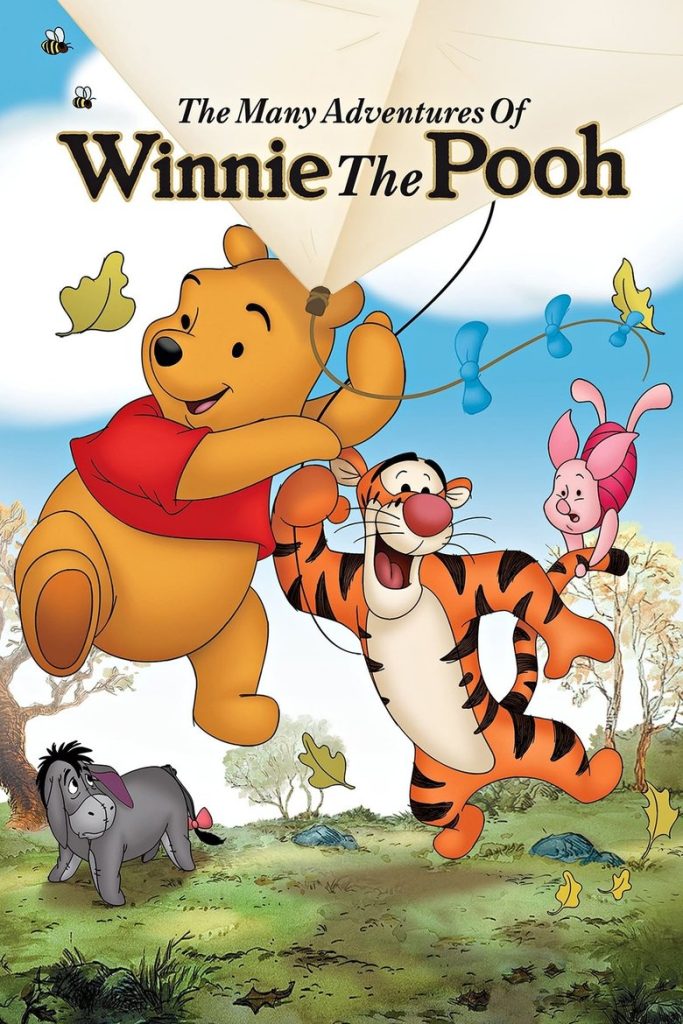
Story overview
This classic animated film follows the gentle adventures of Winnie the Pooh and his friends in the Hundred Acre Wood. Through simple stories and cheerful songs, the characters explore friendship, imagination, and everyday wonders. The film captures the innocence of childhood with warmth and humor, celebrating the joy found in small moments and loyal companionship.
Parent Guide
A gentle, classic animated film perfectly suitable for all ages with positive messages about friendship and imagination.
Content breakdown
Brief, mild peril such as characters getting stuck or lost, all resolved safely without harm.
No scary or disturbing content; all situations are gentle and resolved positively.
No inappropriate language; all dialogue is polite and child-friendly.
No sexual content or nudity; characters are modestly dressed cartoon animals.
No substance use; Pooh's love of honey is portrayed as a simple pleasure.
Very mild emotional moments related to friendship and gentle adventures; overall cheerful tone.
Parent tips
This G-rated film is universally appropriate for all ages, featuring no concerning content. The gentle pace and simple stories make it ideal for young viewers, though some very young children might find brief moments of mild peril (like getting stuck or lost) momentarily unsettling. The film's positive messages about friendship, kindness, and imagination provide excellent conversation starters for families.
Parent chat guide
Parent follow-up questions
- Which character did you like the most and why?
- What was your favorite song in the movie?
- How did the friends help each other?
- What would you do if you visited the Hundred Acre Wood?
- What makes you feel happy like Pooh with honey?
- What did you learn about friendship from the characters?
- How did the characters solve problems without fighting?
- Which adventure was most exciting to you?
- What does it mean to be a good friend like in the movie?
- How did the characters show kindness to each other?
- What themes about imagination did you notice in the stories?
- How do the different personalities of the characters complement each other?
- What life lessons can we learn from the characters' simple adventures?
- How does the film show the value of patience and cooperation?
- What makes the Hundred Acre Wood a special place for the characters?
- How does the film capture the innocence of childhood perspective?
- What commentary does the film offer about simplicity versus complexity in life?
- How do the characters represent different aspects of personality or human nature?
- What makes this classic animation enduring across generations?
- How does the film balance gentle humor with meaningful messages?
🎭 Story Kernel
Beneath its episodic adventures, the film explores the philosophy of contentment within a small, self-contained world. The characters aren't driven by grand quests but by simple, immediate needs and curiosities—Pooh's hunger for honey, Piglet's desire for courage, Eeyore's search for his tail. This creates a narrative where the journey, not the destination, is the entire point. It's a celebration of process over product, where getting stuck in a doorway or floating with a balloon is the adventure itself. The Hundred Acre Wood operates on a logic of gentle problem-solving and mutual support, portraying a utopian micro-society built on accepting each other's quirks.
🎬 Visual Aesthetics
The film's visual language is deceptively simple, using a soft, watercolor-inspired palette that bleeds at the edges, mirroring a storybook come to life. The animation is deliberately unhurried, with gentle pans and zooms that mimic a child's gaze wandering across a page. Crucially, the characters often interact with the text and illustrations of their own world—stepping on letters, acknowledging the narrator. This meta-narrative device breaks the fourth wall not for comedy, but to reinforce the film's core theme: we are watching a story being told, a shared imaginative space. The action is less about dynamic movement and more about expressive, character-defining gestures.
🔍 Details & Easter Eggs
💡 Behind the Scenes
The film is a compilation of three previously released short features: 'Winnie the Pooh and the Honey Tree' (1966), 'Winnie the Pooh and the Blustery Day' (1968), and 'Winnie the Pooh and Tigger Too' (1974). Sterling Holloway, the voice of Pooh, was cast partly for his unique, gentle, and slightly raspy voice that perfectly captured the bear's simple-minded charm. The watercolor background style was directly inspired by the original illustrations by E.H. Shepard. The iconic 'Winnie the Pooh' theme song was written by the Sherman Brothers, who also wrote the music for 'Mary Poppins.'
Where to watch
Choose region:
- Disney Plus
- Amazon Video
- Apple TV
- Google Play Movies
- YouTube
- Fandango At Home
Trailer
Trailer playback is unavailable in your region.