The Matrix (1999)
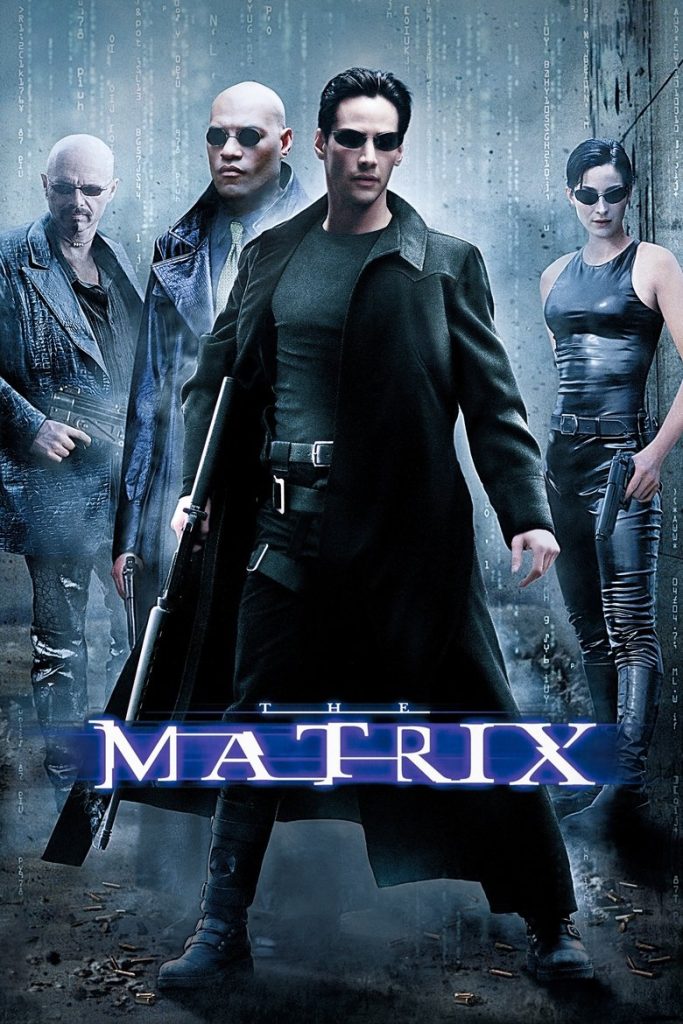
Story overview
The Matrix is a science fiction action film set in a dystopian future where humanity is unknowingly trapped in a simulated reality created by intelligent machines. A computer hacker discovers the truth and joins a rebellion against the machines that control humanity. The story explores themes of reality, freedom, and resistance through intense action sequences and philosophical concepts.
Parent Guide
The Matrix contains intense action violence, strong language, and disturbing themes that make it most suitable for mature teenagers with parental guidance.
Content breakdown
Frequent and intense action violence including gunfights, martial arts combat, characters being shot and killed, and some graphic imagery. Violence is stylized but pervasive throughout the film.
Dystopian themes, scenes of humans controlled by machines, and intense action sequences may be disturbing. Some frightening imagery involving machines and the simulated reality concept.
Strong language including profanity used throughout the film. Language is consistent with the R rating and intense situations.
Minimal sexual content. Some suggestive dialogue and brief scenes with implied intimacy, but no explicit nudity or sexual scenes.
Brief references to or depictions of substance use in the context of the dystopian setting. Not a major focus of the film.
High emotional intensity throughout with constant tension, life-or-death situations, and philosophical weight. The film maintains a dark, serious tone with few light moments.
Parent tips
The Matrix is rated R for intense violence, language, and some disturbing content. Parents should be aware that the film contains numerous fight scenes with guns, martial arts, and some graphic violence, including characters being shot and killed. There is also strong language throughout and some frightening scenes involving machines and dystopian themes that may be disturbing to younger viewers.
This film deals with complex philosophical ideas about reality, control, and freedom that may be challenging for younger children to understand. The violence is stylized but frequent, and the overall tone is dark and intense. Parents should consider their child's maturity level and ability to handle suspenseful and violent content before viewing.
While the film has become a cultural landmark and explores thought-provoking themes, its R rating reflects content that is not suitable for children under 17 without parental guidance. The action sequences are intense and prolonged, and the dystopian setting creates a consistently tense atmosphere.
Parent chat guide
During viewing, be available to answer questions about the plot and themes. If scenes become too intense, consider taking breaks or discussing what's happening. Point out that the special effects are created for entertainment and that the violence is part of the story's conflict between humans and machines.
After watching, discuss the movie's themes about reality, choice, and resistance. Ask how the characters showed courage and what the movie says about technology and control. Address any confusing or frightening elements, and reinforce the difference between movie fantasy and real-world values.
Parent follow-up questions
- What was your favorite part of the movie?
- Did any parts seem scary to you?
- What colors did you see in the movie?
- Can you tell me about the good guys in the story?
- What sounds did you hear in the movie?
- What did you think about the idea of a computer world?
- How did the characters work together in the movie?
- What made some scenes exciting or scary?
- What would you do if you discovered something wasn't real?
- How did the music make you feel during different parts?
- What do you think the movie is saying about technology and control?
- How did the characters show courage in difficult situations?
- What questions did the movie make you think about reality?
- How were the action scenes different from real fighting?
- What would be challenging about living in the world shown in the movie?
- What philosophical questions about reality does the film raise?
- How does the film use violence to explore themes of resistance and freedom?
- What commentary does the movie make about systems of control in society?
- How do the visual effects contribute to the film's themes?
- What ethical questions arise from the conflict between humans and machines?
🎭 Story Kernel
At its core, The Matrix explores the tension between comforting illusion and painful truth. Neo's journey isn't about becoming a superhero but about accepting the terrifying responsibility of consciousness. The film asks: would you take the red pill knowing the real world is a devastated wasteland? Morpheus doesn't want a savior—he wants someone who chooses to see, even when seeing means accepting humanity's defeat. The machines didn't win through force but through offering a preferable fiction. Every character's motivation stems from their relationship to this choice: Cypher betrays for sensory pleasure, Trinity fights for emotional connection, and Agent Smith despises humanity's irrational stench of freedom.
🎬 Visual Aesthetics
The Wachowskis created a visual language of control versus awakening. The Matrix world is bathed in sickly green—the color of old monochrome monitors—while the real world uses cold blues and grays. Action sequences employ 'bullet time' not just as spectacle but as visualization of Neo's growing perception. Notice how camera movements differ: inside the Matrix, shots are slick and controlled like a video game; in reality, they're shaky and documentary-style. The iconic lobby shootout uses symmetrical framing to emphasize the artificial order Neo disrupts. Costume design reinforces themes—agents wear identical suits representing conformity, while rebels sport personalized leather signaling individuality.
🔍 Details & Easter Eggs
💡 Behind the Scenes
Keanu Reeves underwent extensive martial arts training for four months, studying kung fu, jujitsu, and wire work. The iconic bullet time effect was revolutionary—using 120 still cameras triggered sequentially around the action. Hugo Weaving developed Agent Smith's mechanical speech pattern by recording his lines and practicing to match the recording exactly. The green code raining down in the opening was actually sushi recipes from a Japanese cookbook. The film's budget was $63 million—modest for its effects—with the Wachowskis storyboarding the entire film as a comic book to convince Warner Bros.
Where to watch
Choose region:
- MGM Plus
- Apple TV
- Google Play Movies
- YouTube
- Fandango At Home
- Spectrum On Demand
- Plex
Trailer
Trailer playback is unavailable in your region.