
The Menendez Brothers (2024)
Story overview
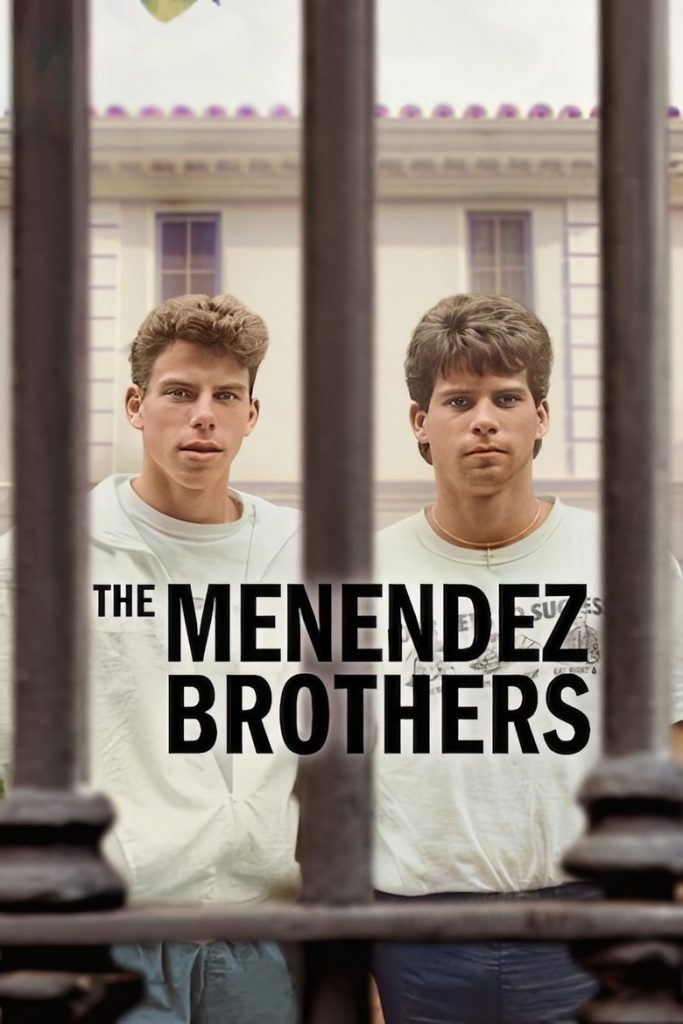
This 2024 documentary examines the notorious case of Lyle and Erik Menendez, who were convicted of murdering their parents in 1989. Featuring interviews with the brothers from prison, legal experts, and journalists, it explores their motivations, the sensational trials, and the media frenzy surrounding the case. The film presents multiple perspectives while focusing on the brothers' accounts and the legal proceedings.
Parent Guide
This documentary presents a serious examination of a real-life murder case with mature themes throughout. It includes direct accounts from convicted murderers discussing their crimes, graphic descriptions of violence, and discussions of abuse allegations. The emotional intensity is high, and the subject matter requires mature perspective.
Content breakdown
Detailed descriptions of the murders, including how the parents were shot and killed. Discussions of alleged childhood abuse. Crime scene photos may be shown. The brothers describe their violent actions and the aftermath.
The central theme is patricide and matricide. Discussions of family betrayal, fear, and violence within the home. Real crime details and prison interviews with convicted murderers can be unsettling. The documentary explores dark family dynamics and criminal psychology.
May include strong language in interview segments or trial recordings. Descriptions of violent acts and emotional states. Legal terminology and crime-related vocabulary throughout.
Possible references to alleged sexual abuse as part of the brothers' defense claims. No explicit sexual content or nudity shown.
No significant depiction or discussion of substance use noted in the overview.
High emotional intensity due to the subject matter: children killing parents, family betrayal, life imprisonment, and discussions of abuse. The documentary explores complex emotions including fear, anger, guilt, and justification.
Parent tips
This documentary deals with mature themes including murder, family violence, and criminal trials. It's rated TV-MA for a reason. Consider watching it yourself first to determine if it's appropriate for your teen. The content may be disturbing for younger viewers, and the brothers' descriptions of violence could be graphic. Use this as an opportunity to discuss family dynamics, legal systems, and media responsibility with older teens.
Parent chat guide
Parent follow-up questions
—
—
- What do you think makes someone do something really wrong?
- Why is it important to tell an adult if you're scared or upset?
- Do you think the brothers' explanations justify their actions? Why or why not?
- How did the media coverage influence public opinion about this case?
- What responsibility do children have toward their parents, and vice versa?
- How might this case be different if it happened today?
🎭 Story Kernel
Alejandro Hartmann’s documentary serves as a direct counter-narrative to decades of tabloid sensationalism, centering on the brothers' first joint interview in thirty years. It moves beyond the 'spoiled rich kids' trope to explore the systemic failure of the 1990s legal system to grasp the complexities of male sexual abuse and domestic trauma. The film isn't merely a recap of the 1989 killings of Jose and Kitty Menendez; it is a meditation on memory, the evolution of societal empathy, and the enduring weight of a life sentence. By juxtaposing the brothers' current reflections with trial footage, the film questions whether justice is a fixed point or a moving target influenced by the cultural zeitgeist of the era in which it is served, ultimately challenging the viewer to reconsider a closed case.
🎬 Visual Aesthetics
The visual language of the documentary relies heavily on the juxtaposition of grainy, high-contrast 1990s Court TV footage against the sterile, contemporary aesthetic of talking-head interviews. Hartmann utilizes a somber color palette and slow pacing to mirror the stagnation of life in prison. A recurring visual motif is the use of old family photographs and home movies, which are recontextualized through the lens of the brothers' abuse allegations, transforming once-innocent memories into haunting evidence of a fractured household. The cinematography avoids flashy reenactments, opting instead for a minimalist approach that forces the viewer to focus on the voices of Lyle and Erik, emphasizing the psychological distance between the men they are now and the boys they were during the trial, effectively using negative space to represent their lost decades.
🔍 Details & Easter Eggs
💡 Behind the Scenes
Director Alejandro Hartmann previously directed 'Carmel: Who Killed Maria Marta?', showing his expertise in true crime documentaries that challenge established narratives. This film marks the first time in three decades that both Lyle and Erik Menendez have participated in a documentary together. The production was timely, arriving on Netflix just weeks after the scripted series 'Monsters: The Lyle and Erik Menendez Story' sparked renewed public interest and controversy. The documentary features interviews with Pamela Bozanich, the original prosecutor, who maintains her stance on the case, providing a necessary, albeit polarizing, counterpoint to the brothers' testimony.
Where to watch
Choose region:
- Netflix
- Netflix Standard with Ads
Trailer
Trailer playback is unavailable in your region.