
The Miracle Season (2018)
Story overview
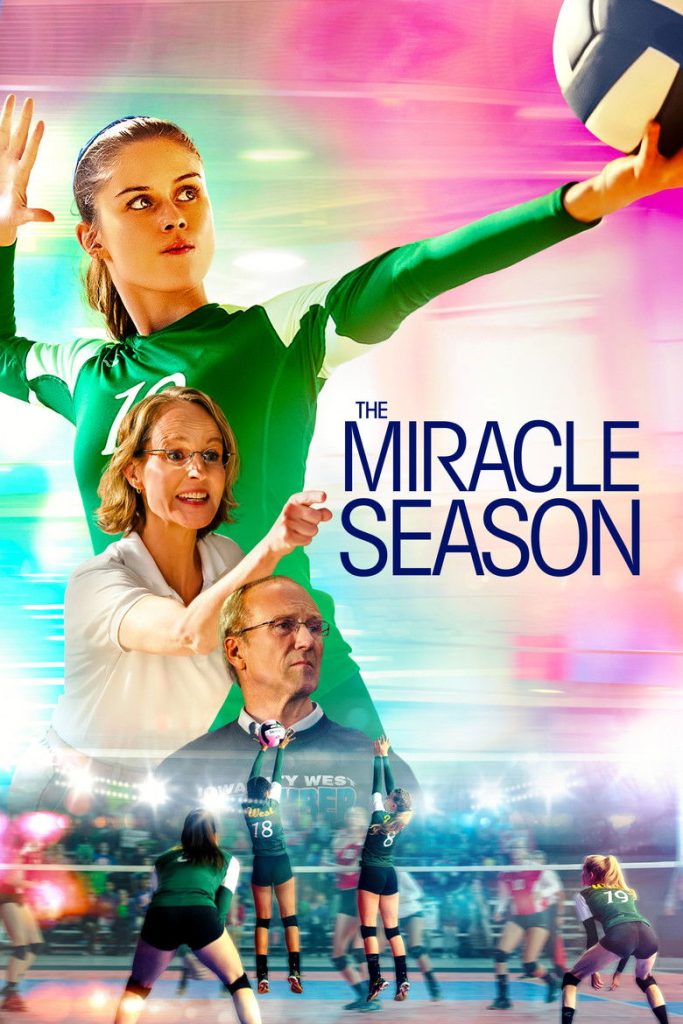
The Miracle Season is a 2018 drama film based on a true story about a high school girls' volleyball team. After the tragic loss of their star player, the team must come together to overcome grief and continue their season. The film focuses on themes of resilience, teamwork, and healing in the face of adversity.
Parent Guide
A drama about grief and resilience suitable for older children with parental guidance.
Content breakdown
The film deals with death and its aftermath, but without graphic depictions.
Themes of sudden death and grief may be emotionally intense for sensitive viewers.
No concerning language noted in the PG rating.
No sexual content or nudity present.
No substance use depicted.
Strong emotional themes related to loss and grief throughout the film.
Parent tips
This PG-rated drama deals with themes of grief and loss following a teenage death, which may be emotionally challenging for younger viewers. The film portrays healthy coping mechanisms and community support, making it potentially valuable for discussions about handling difficult emotions. Consider your child's sensitivity to sad themes before viewing together.
Parent chat guide
Parent follow-up questions
- How did the friends help each other feel better?
- What was your favorite part of the volleyball game?
- How do you help your friends when they're sad?
- Why was it hard for the team to keep playing after their friend was gone?
- What are some ways the characters showed they cared about each other?
- How did working together help the team feel better?
- How do you think the team members supported each other through their grief?
- What does this story teach us about resilience and teamwork?
- Why is it important to continue with activities even when we're sad?
- How does the film portray the grieving process for teenagers?
- What role does community support play in helping people through tragedy?
- How might this story apply to real-life challenges you or your friends face?
🎭 Story Kernel
The film explores how collective trauma can forge unbreakable bonds, using the death of star player Caroline 'Line' Found as the catalyst. It's less about volleyball victories than about how a community processes sudden loss—the team's drive isn't just to win a championship, but to honor Line's memory without letting grief define them. The characters are propelled by the tension between moving forward and preserving the past, revealing how shared suffering can transform individual pain into collective purpose. The real antagonist isn't opposing teams but the overwhelming silence left by absence.
🎬 Visual Aesthetics
The cinematography employs a stark contrast between vibrant, sun-drenched volleyball sequences and muted, gray-toned scenes of grief. Camera movements shift from dynamic, low-angle shots during games (emphasizing power and elevation) to static, intimate close-ups during emotional moments. The color palette subtly transitions from warm oranges and yellows in early scenes to cooler blues after Line's death, mirroring emotional temperature. Recurring visual motifs include empty spaces on the court and lingering shots of Line's untouched locker, creating a persistent visual absence that speaks louder than dialogue.
🔍 Details & Easter Eggs
💡 Behind the Scenes
The film is based on the true story of the 2011 Iowa City West High School volleyball team. Helen Hunt, who plays coach Kathy Bresnahan, spent time with the real Bresnahan to capture her mannerisms and coaching style. The volleyball sequences used actual championship footage blended with staged scenes for authenticity. Notably, several real-life team members appear as extras during game scenes. Filming occurred in Vancouver, not Iowa, requiring careful recreation of Midwest autumnal aesthetics through set design and color grading.
Where to watch
Choose region:
- Netflix
- Netflix Standard with Ads
- Fandango at Home Free
- Google Play Movies
- YouTube
- Fandango At Home
- Apple TV
Trailer
Trailer playback is unavailable in your region.