
The Mountain Keeps Watch (2026)
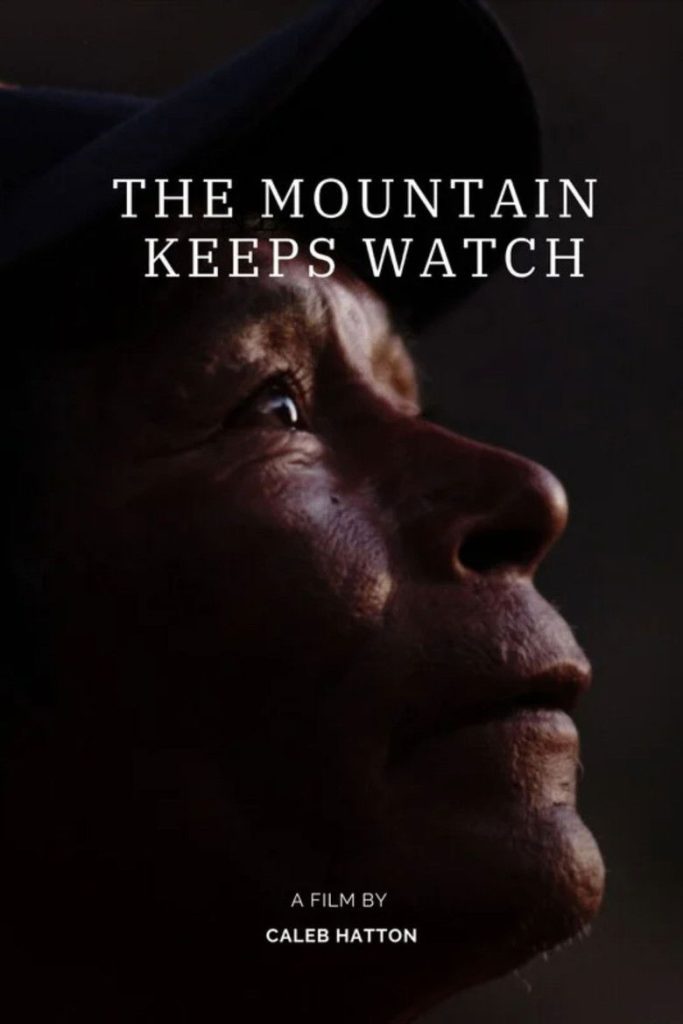
Story overview
This documentary explores the remote Mexican town of Batopilas and the even more isolated village of Huymaivo, focusing on Felipe, a Rarámuri runner who once competed in U.S. races, and his family's life in a region accessible only by foot. It portrays themes of isolation, poverty, and resilience in the Sierra Madre canyons.
Parent Guide
Educational documentary about remote Mexican indigenous communities with no concerning content. Suitable for school-aged children with parental guidance for discussion about cultural differences and geographic isolation.
Content breakdown
No violence, conflict, or dangerous situations depicted. The film shows daily life in remote villages without dramatic peril.
Nothing frightening or disturbing. The documentary maintains a respectful, observational tone throughout.
No offensive language. Dialogue appears to be in Spanish or indigenous languages with English subtitles if included.
No sexual content or nudity. People are shown in everyday clothing appropriate to their cultural context.
No depiction of alcohol, drugs, or substance use.
Mild emotional content related to themes of isolation and poverty, but presented in a factual, non-sensational manner. Some children might feel empathy for the living conditions shown.
Parent tips
This 15-minute documentary offers a respectful look at remote indigenous life without sensationalism. It's suitable for most children but may prompt questions about poverty and geographic isolation. The film's short runtime makes it accessible for younger viewers with limited attention spans.
Parent chat guide
Parent follow-up questions
- What animals did you see in the mountains?
- How do you think Felipe's family gets food?
- What was your favorite part of the movie?
- Why do you think Felipe's village is only reachable by foot?
- How might living in isolation be both challenging and special?
- What does it mean to be 'resilient' like the people in the film?
- What cultural values might help communities survive in remote areas?
- How does geography shape culture and daily life?
- What responsibilities might Felipe have in his community?
- How does this documentary challenge stereotypes about indigenous communities?
- What economic and social factors contribute to the isolation shown?
- How might globalization affect traditional communities like this one?
Where to watch
Streaming availability has not been announced yet.