
The Muppet Christmas Carol (1992)
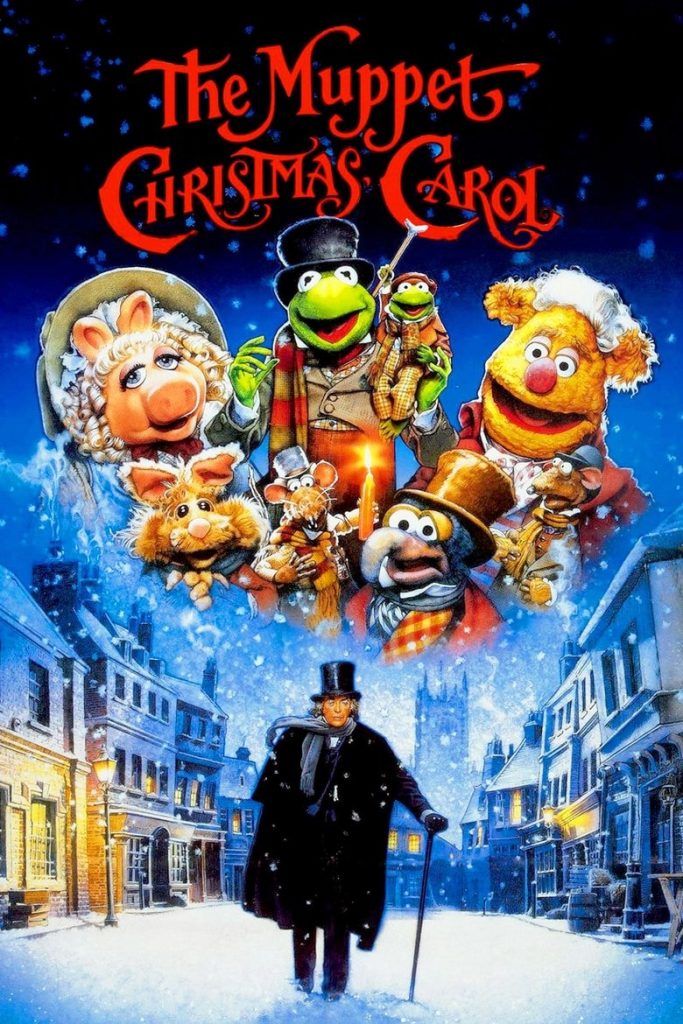
Story overview
The Muppet Christmas Carol is a musical adaptation of Charles Dickens' classic story, featuring Kermit the Frog, Miss Piggy, and other beloved Muppet characters alongside human actors. The film follows the miserly Ebenezer Scrooge as he is visited by three ghosts on Christmas Eve who show him his past, present, and future. Through humorous and heartfelt moments, Scrooge learns the importance of kindness, generosity, and the true spirit of Christmas. This family-friendly version maintains the story's emotional core while adding the Muppets' signature charm and musical numbers.
Parent Guide
A family-friendly adaptation suitable for all ages that softens Dickens' darker themes with Muppet humor while maintaining the story's core messages about redemption and generosity.
Content breakdown
Some tense moments when ghosts appear, but no physical violence. Scenes showing poverty and illness are handled gently.
Ghostly apparitions might briefly startle very young children, but the Muppet presentation keeps things light. Scenes in graveyards and with chains are not graphic.
No offensive language. Some period-appropriate expressions like 'Bah, humbug!'
No sexual content or nudity. Some mild romantic elements between Muppet characters.
No substance use depicted. Some festive drinking in background scenes is non-prominent.
Emotional moments involving poverty, loneliness, and redemption are balanced with humor and musical numbers. The ending is uplifting.
Parent tips
This G-rated film is appropriate for all ages and makes an excellent holiday tradition for families. The Muppet characters help soften some of the darker elements of Dickens' original story, making it accessible for younger viewers while still delivering meaningful messages about compassion and redemption. Parents can use this film to discuss themes of generosity, empathy, and how our actions affect others, particularly during the holiday season.
Parent chat guide
Parent follow-up questions
- Which Muppet character was your favorite?
- What was your favorite song in the movie?
- How did Scrooge change by the end of the story?
- What makes Christmas special to you?
- How can we be kind to others like the characters learned?
- Why do you think Scrooge was so grumpy at the beginning?
- Which ghost's visit do you think taught Scrooge the most important lesson?
- How did the Muppets make this Christmas story different from others you've seen?
- What does it mean to be generous with more than just money?
- How can we help people who might be lonely during the holidays?
- What do you think Dickens was trying to say about society through this story?
- How does the film balance humor with serious themes about poverty and compassion?
- Why do you think stories about personal transformation are so popular during holidays?
- How might this story be different if it weren't told with Muppets?
- What modern problems could benefit from the kind of perspective change Scrooge experienced?
- How does this adaptation compare to other versions of A Christmas Carol you've experienced?
- What commentary does the film make about wealth disparity and social responsibility?
- How effective are the Muppets as a vehicle for delivering serious moral lessons?
- In what ways does the film update Victorian-era themes for a modern audience?
- How does the musical format enhance or detract from the story's emotional impact?
🎭 Story Kernel
At its core, 'The Muppet Christmas Carol' explores how memory shapes identity and empathy. Scrooge's transformation isn't about fear of punishment but rediscovering his capacity for connection. The ghosts don't threaten him with hell—they show him the love he's forgotten. His younger self's gradual hardening mirrors how trauma calcifies into cruelty. The film argues that redemption comes not from grand gestures but from small, consistent acts of kindness, like Bob Cratchit's quiet dignity. It's ultimately about choosing community over isolation, with Scrooge's final feast symbolizing his reintegration into humanity.
🎬 Visual Aesthetics
The film masterfully blends Victorian gloom with Muppet warmth through its color palette. Scrooge's world begins in cold blues and grays, his office bathed in shadow. As memories surface, warm golds and reds bleed in—Young Scrooge's dance at Fezziwig's party glows with candlelight. The Ghost of Christmas Present's vibrant green robe and abundant feast create visual abundance against London's snowy streets. Camera work emphasizes scale: low angles make Scrooge loom over tiny characters early on, while later shots place him eye-level with others. The puppetry allows surreal touches, like Marley's chains floating through walls.
🔍 Details & Easter Eggs
💡 Behind the Scenes
Michael Caine insisted on playing Scrooge completely straight, treating the Muppets as serious actors to ground the fantasy. The snow effects were created using potato flakes mixed with foam, which crew members reported smelling like food during long shoots. Brian Henson directed while performing multiple puppets, including both Rizzo and the Ghost of Christmas Past. The song 'When Love Is Gone' was cut from theatrical releases but restored in later versions—its absence disrupted the emotional arc of Scrooge's lost romance.
Where to watch
Choose region:
- Disney Plus
- Amazon Video
- Apple TV
- Google Play Movies
- YouTube
- Fandango At Home
Trailer
Trailer playback is unavailable in your region.