
The Mustang (2019)
Story overview
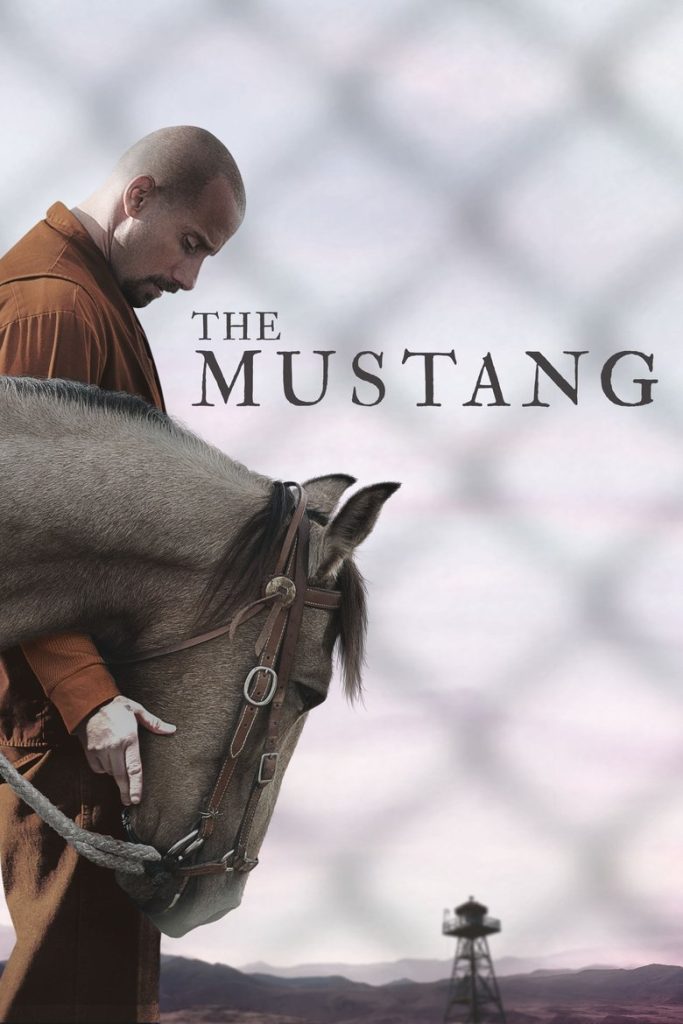
The Mustang follows Roman Coleman, a convict with a violent past, as he participates in a rehabilitation program where inmates train wild mustangs. Initially resistant and struggling to connect with both horses and fellow inmates, Roman gradually learns to confront his trauma and anger through his bond with a particularly challenging horse. The film explores themes of redemption, emotional healing, and the transformative power of human-animal relationships within the prison system.
Parent Guide
The Mustang is a serious drama about prison rehabilitation through equine therapy. While it contains positive messages about redemption and emotional healing, the R rating reflects mature content including prison violence, strong language, and intense emotional themes. Most appropriate for mature teenagers 16+ with parental guidance.
Content breakdown
Several scenes of prison violence including fights between inmates, physical altercations, and aggressive behavior. One scene shows a character being restrained by guards. The violence is realistic but not excessively graphic. Some tense moments with the wild horses that could be perceived as perilous.
Emotionally intense scenes dealing with trauma, anger, and prison life. Flashbacks to violent incidents. The prison environment and some character interactions create tense, unsettling moments. Themes of incarceration and rehabilitation may be disturbing for younger viewers.
Frequent strong language including multiple uses of f-words, s-words, and other profanity typical of prison settings. Some crude references and angry outbursts.
Brief references to sexual relationships but no explicit scenes. Some mild sexual dialogue. No nudity shown.
Brief scenes showing cigarette smoking by inmates. Some references to past substance abuse but no current drug use depicted.
High emotional intensity throughout as the main character confronts his violent past and struggles with anger management. Themes of guilt, redemption, and emotional healing create powerful, sometimes distressing moments. The prison setting adds to the overall emotional weight.
Parent tips
This R-rated drama contains mature themes including prison violence, emotional trauma, and strong language. While the film's central message about rehabilitation and healing is positive, the realistic prison setting and intense emotional moments make it most appropriate for mature teenagers. Parents should be prepared to discuss the prison system, anger management, and the consequences of violence with older teens who watch this film.
Parent chat guide
Parent follow-up questions
—
—
- What did you think about the horses in the movie?
- How did the main character change from the beginning to the end?
- What did you learn about how people can help animals?
- How does the film portray the prison rehabilitation system? Do you think it's realistic?
- What does Roman's journey teach us about dealing with anger and trauma?
- How does the cinematography and setting contribute to the film's emotional impact?
- What social issues does the film address through its prison setting?
- How does the relationship with the horse serve as a metaphor for Roman's emotional state?
🎭 Story Kernel
The film's core is the parallel journey of domestication and liberation. Roman's violent outbursts mirror the mustang's wild resistance; both are caged by their own instincts. The prison's wild horse training program becomes a brutal metaphor for emotional rehabilitation—not through gentle therapy, but through confronting raw, untamed rage. Roman's connection with the horse isn't about taming the animal, but about recognizing his own wildness and learning to channel it. The real conflict isn't between man and horse, but between the prison of past trauma and the possibility of controlled, purposeful strength. When Roman finally rides the mustang, it's not a victory over nature, but a fragile truce with his own.
🎬 Visual Aesthetics
Director Laure de Clermont-Tonnerre employs a stark, documentary-like aesthetic. The camera often lingers in tight close-ups on Roman's weathered face and the horse's expressive eyes, creating an intimate, almost claustrophobic study of two trapped beings. The color palette is dominated by the muted tans of the Nevada desert and the drab grays of the prison, with bursts of vivid color reserved for moments of connection or violence—like the red of the horse's training flag. Wide shots emphasize the vast, empty landscape surrounding the prison, highlighting the irony of confinement within open space. The training sequences are filmed with raw physicality, the shaky cam and gritty texture making every struggle feel immediate and visceral.
🔍 Details & Easter Eggs
💡 Behind the Scenes
Matthias Schoenaerts immersed himself in the role by spending time with real inmates in a Nevada correctional facility and training with professional horse whisperers. The mustangs used in filming were actual wild horses from Bureau of Land Management herds, many adopted through real prison training programs. Bruce Dern's character is loosely inspired by real-life prison horse trainer Bill Reynolds. Filming took place at the Nevada State Prison in Carson City, which had been closed since 2012, adding authentic atmosphere. Director Laure de Clermont-Tonnerre based the story on documentary research about rehabilitation programs connecting inmates with wild horses.
Where to watch
Choose region:
- Netflix
- Netflix Standard with Ads
- Amazon Video
- Apple TV Store
- Google Play Movies
- YouTube
- Fandango At Home
Trailer
Trailer playback is unavailable in your region.