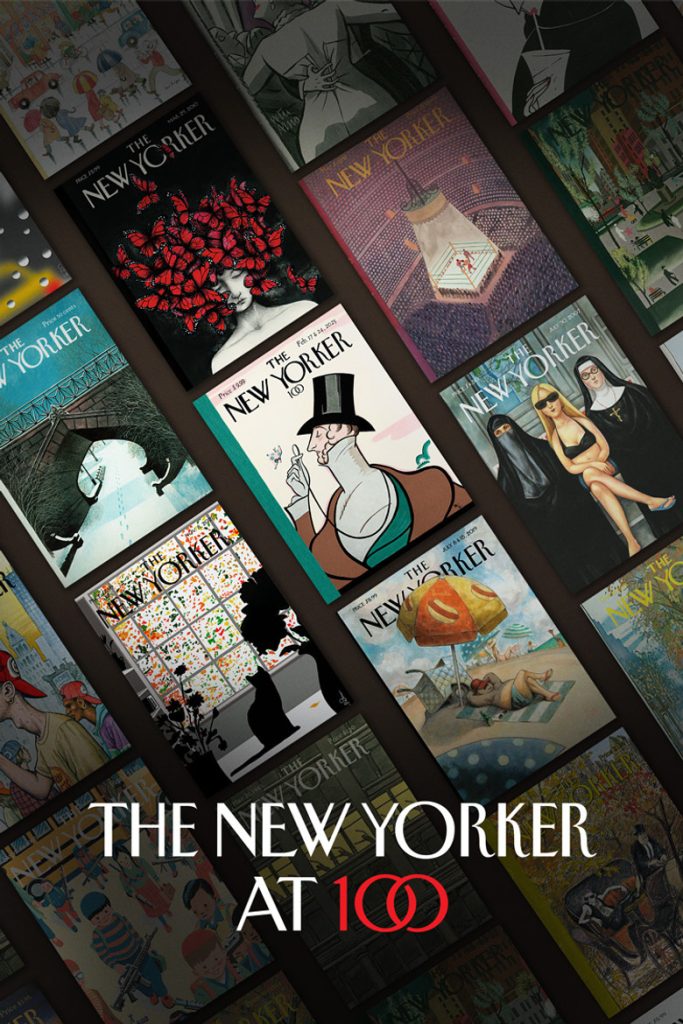
The New Yorker at 100 (2025)

Released: 2025-08-29 Recommended age: 8+ No IMDb rating yet
The New Yorker at 100

Movie details

  • Genres: Documentary
  • Director: Marshall Curry
  • Main cast: Julianne Moore, David Remnick, Françoise Mouly, Nick Paumgarten, Paul Moakley
  • Country / region: United States of America
  • Original language: en
  • Premiere: 2025-08-29

Story overview

This documentary celebrates The New Yorker magazine's 100th anniversary, offering an inside look at its history, cultural impact, and future. Through interviews with editors, writers, and archival footage, it explores the magazine's role in journalism, fiction, and cartoons, highlighting its enduring relevance in the digital age.

Parent Guide

A family-friendly documentary about a historic magazine, with no concerning content. Best for children aged 8 and up due to its thematic depth, but younger viewers can enjoy the visual elements.

Content breakdown

Violence & peril
None

No violence or peril depicted. The content focuses on editorial processes, interviews, and archival material.

Scary / disturbing
None

Nothing scary or disturbing. It's an educational look at magazine production and history.

Language
None

No offensive language expected, given its documentary nature and focus on professional journalism.

Sexual content & nudity
None

No sexual content or nudity. The film centers on literary and artistic topics.

Substance use
None

No depiction of substance use. The setting is office and archival environments.

Emotional intensity
Mild

Mild emotional intensity may arise from discussions about the magazine's legacy or challenges in media, but it's generally calm and informative.

Parent tips

This documentary is suitable for most children, focusing on literary and journalistic history. It may interest kids who enjoy reading, writing, or art. Younger viewers might find some discussions about complex topics or historical events abstract, but there's no inappropriate content. Use it to spark conversations about media, creativity, or history.

Parent chat guide

After watching, ask your child what they learned about magazines or journalism. Discuss how stories and cartoons can influence culture. For older kids, talk about the importance of print media in a digital world. Encourage them to share their own creative ideas or opinions on the topics covered.

Parent follow-up questions

  • What was your favorite cartoon in the movie?
  • Did you see any pictures you liked?
  • What is a magazine?
  • What did you learn about how a magazine is made?
  • Why do you think cartoons are important in a magazine?
  • What kind of stories would you write for a magazine?
  • How has The New Yorker stayed important for 100 years?
  • What role do you think journalism plays in society?
  • How are cartoons different from other art forms?
  • Discuss the challenges print media faces today.
  • How does The New Yorker balance fiction and journalism?
  • What impact do you think magazines have on cultural conversations?
⚠️ Deep Film Analysis (Contains Spoilers) · Click to Expand
A century of ink and insight, distilled into a love letter to the art of storytelling itself.

🎭 Story Kernel

The documentary is not merely a chronological history of a magazine, but a profound exploration of what it means to cultivate a voice and maintain intellectual rigor in a changing world. The driving force isn't a traditional plot, but the tension between artistic integrity and commercial survival. Through interviews with contributors and archival footage, it reveals how 'The New Yorker' became a character itself—stubborn, witty, occasionally elitist, but fundamentally committed to the belief that thoughtful, well-crafted prose matters. The real story is the magazine's internal struggle to define its identity across decades, from its founding wit to its modern grappling with digital media and broader cultural representation, making it a meta-narrative about the endurance of ideas.

🎬 Visual Aesthetics

The film employs a clean, elegant visual grammar that mirrors the magazine's own aesthetic. Archival photographs and covers are presented with crisp reverence, often filling the frame to emphasize their artistic detail. Interview segments are shot with a shallow depth of field, isolating subjects against muted, literary backdrops—a visual metaphor for the magazine's curated, focused perspective. The editing rhythm is deliberate and thoughtful, mimicking the pace of a long-form read. There's a notable absence of flashy graphics; instead, transitions often use the turning of a page or the slow zoom into a classic cartoon, grounding the film in the tactile, analog world it celebrates.

🔍 Details & Easter Eggs

1
The film subtly foreshadows its digital-age concerns early on by lingering on shots of printing presses and typesetting equipment, relics that visually anchor the story in a pre-internet era whose passing is a central, unspoken tension.
2
A hard-to-spot detail is the careful curation of background objects in interviewees' shots: stacks of books, vintage desk lamps, and original artwork, which silently reinforce the theme of a physical, collected culture of ideas.
3
The score often incorporates the subtle, rhythmic sound of a typewriter key striking paper, a sonic metaphor for the foundational, manual labor of writing that underpins the magazine's glamorous reputation.

💡 Behind the Scenes

The documentary was directed by Oscar-winner Roger Ross Williams. A significant challenge was securing rights to the vast archive of cartoons, covers, and photographs, requiring negotiations with hundreds of artists and estates. Notably, the production team conducted over 80 interviews, but only a fraction made the final cut, resulting in a highly curated narrative. Some filming took place in the magazine's actual offices, capturing the iconic, bustling newsroom that has been home to legendary writers for decades.

Where to watch

Choose region:

  • Netflix
  • Netflix Standard with Ads

Trailer

Trailer playback is unavailable in your region.

SkyMe App
SkyMe Guide Download on the App Store
VIEW