
The Nightmare Before Christmas (1993)
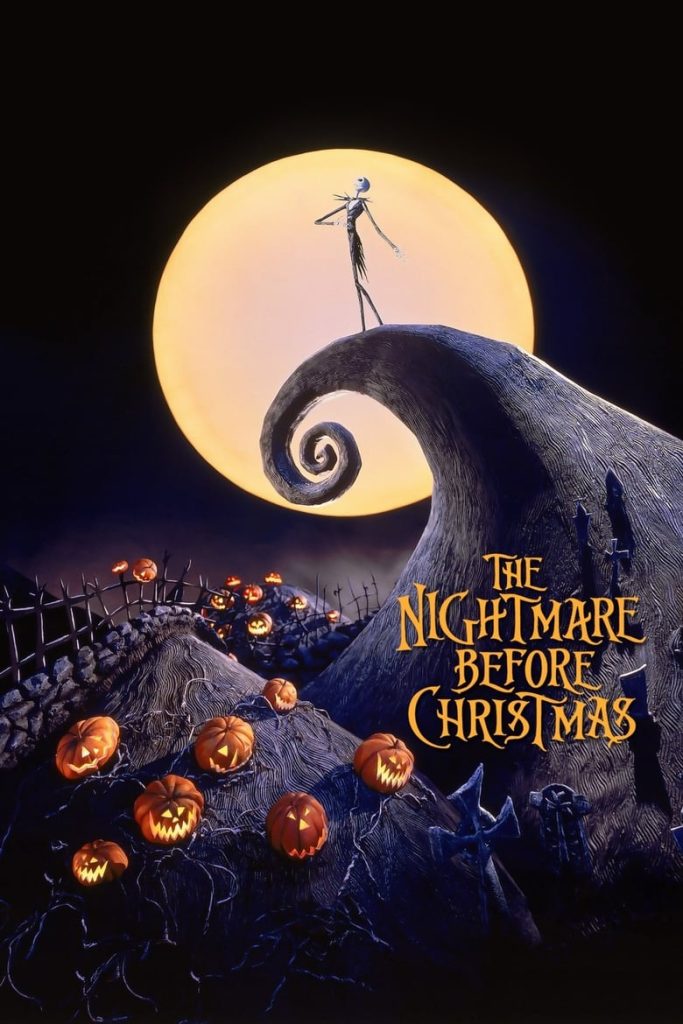
Story overview
The Nightmare Before Christmas follows Jack Skellington, the king of Halloween Town, who grows tired of his annual fright-fest and becomes fascinated with Christmas. He decides to take over the holiday by kidnapping Santa Claus and attempting to deliver his own spooky version of Christmas gifts. Sally, a rag-doll character who cares for Jack, tries to prevent his misguided plans from ruining Christmas for children everywhere. This stop-motion animated film explores themes of identity, creativity, and finding one's place in the world through a darkly whimsical lens.
Parent Guide
A dark fantasy musical with Halloween-themed characters and settings that may be intense for young children, but contains positive messages about identity and self-discovery.
Content breakdown
Some perilous situations including kidnapping, characters in danger, and fantasy threats. No graphic violence, but some tense moments.
Halloween-themed characters (skeletons, monsters, creepy creatures) and dark, gothic settings. Some scenes may be frightening to sensitive or young children.
No offensive language or profanity.
No sexual content or nudity.
No depiction of substance use.
Some emotional moments related to identity crisis and relationship dynamics, but generally lighthearted overall.
Parent tips
This PG-rated film features dark fantasy elements that might be intense for very young children. The Halloween-themed characters and settings include skeletons, monsters, and spooky imagery that could frighten sensitive viewers. While there's no graphic violence, some scenes involve peril, kidnapping, and dark magical elements that create a gothic atmosphere.
Parents should consider their child's comfort level with Halloween-style imagery before viewing. The film's central themes about identity and purpose are appropriate for school-aged children, but the visual style and tone are distinctly darker than typical animated family films. The story ultimately conveys positive messages about self-discovery and the importance of staying true to oneself.
Parent chat guide
After the movie, talk about how Jack felt bored with Halloween and wanted to try something new. Ask what your child thinks about trying new things versus sticking with what you know works. Discuss how Sally tried to help Jack even when he wasn't listening to her advice. You can also explore the film's creative animation style and how the filmmakers made the characters move.
Parent follow-up questions
- Which character did you like the most?
- Was anything too scary for you?
- What was your favorite song in the movie?
- How do you think the characters felt when things went wrong?
- What would you do if you got a spooky Christmas present?
- Why do you think Jack wanted to try Christmas instead of Halloween?
- How did Sally show she cared about Jack?
- What do you think the movie is saying about trying new things?
- How did the animation style make the movie feel different?
- What would you have done if you were in Halloween Town?
- What does this film suggest about finding your true purpose?
- How does the movie balance dark imagery with family-friendly themes?
- What do you think about Jack's decision to take over Christmas?
- How does the animation technique contribute to the story's mood?
- What messages does the film convey about creativity and identity?
- How does the film explore themes of dissatisfaction and seeking meaning?
- What commentary might the film be making about holiday commercialization?
- How does the gothic aesthetic serve the story's emotional themes?
- In what ways does the film subvert traditional holiday narratives?
- How does the relationship between Jack and Sally develop throughout the story?
🎭 Story Kernel
At its core, 'The Nightmare Before Christmas' is a profound exploration of creative burnout and the dangers of appropriating another culture's traditions without understanding their essence. Jack Skellington's existential crisis stems from mastering Halloween to the point of emptiness—he's the king of a realm he no longer finds meaningful. His obsession with Christmas isn't about spreading joy but about filling his own emotional void, treating Yuletide traditions as aesthetic props rather than living traditions. The film critiques colonialist impulses as Jack attempts to remake Christmas in Halloween's image, ultimately learning that true fulfillment comes from embracing one's authentic role rather than stealing another's magic.
🎬 Visual Aesthetics
The film's visual language masterfully uses German Expressionism's angular, distorted sets to externalize psychological states—Jack's elongated limbs mirror his stretched-thin existence, while Sally's patchwork body visually represents her pieced-together autonomy. Color functions as emotional GPS: Halloween Town exists in monochrome blues and grays, while Christmas Town bursts with saturated reds and greens that literally hurt Jack's eyes, emphasizing cultural dislocation. The stop-motion animation's tangible imperfections—visible fingerprints on clay, slight puppet wobbles—create uncanny vulnerability, making these monsters feel more human than the flawless CGI that would follow.
🔍 Details & Easter Eggs
💡 Behind the Scenes
The film's production was so grueling that animators developed 'Nightmare back' from hunching over tiny sets. Each second of footage required 24 individually posed frames, with the 76-minute film taking three years to complete. Danny Elfman initially refused to sing Jack's parts, believing himself a poor vocalist, until Burton convinced him that Jack's imperfect voice suited the character's searching quality. The iconic spiral hill was inspired by a parking garage ramp Burton sketched while stuck in traffic. Chris Sarandon provided Jack's speaking voice while Elfman sang, creating a dual performance that mirrors Jack's split identity.
Where to watch
Choose region:
- Disney Plus
- Amazon Video
- Apple TV
- Google Play Movies
- YouTube
- Fandango At Home
Trailer
Trailer playback is unavailable in your region.