
The Old Mill (1937)
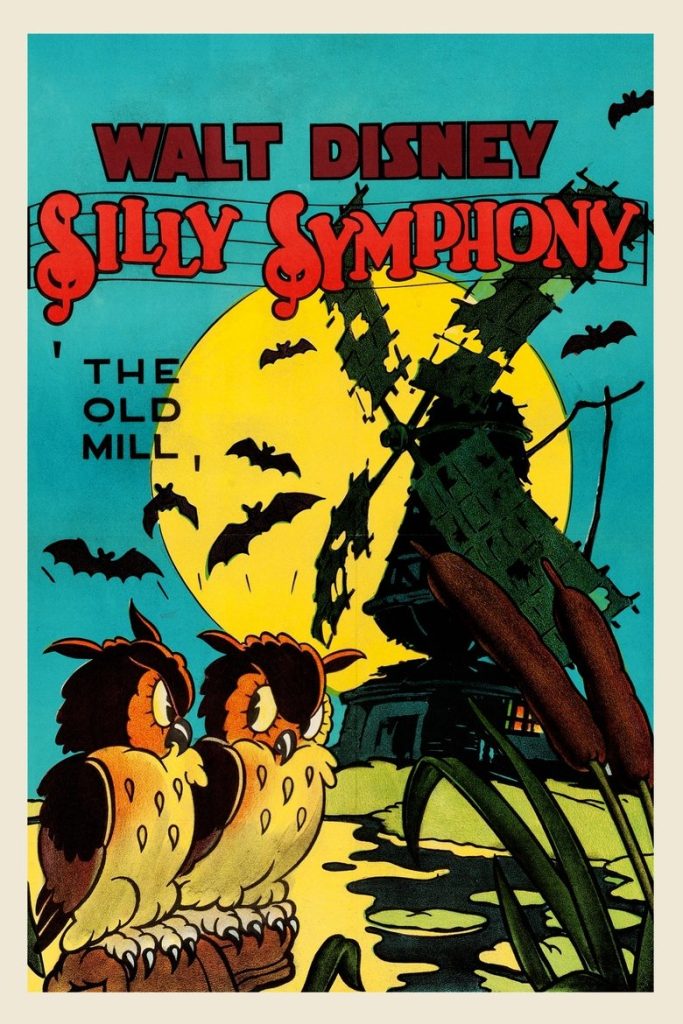
Story overview
This Oscar-winning animated short from 1937 depicts a dramatic night in an old mill as a thunderstorm approaches. Various creatures including birds, mice, and owls try to stay safe and dry while the storm intensifies. The mill wheel begins turning and the structure threatens to blow apart until the storm finally subsides.
Parent Guide
A gentle, atmospheric animated short about animals weathering a storm, suitable for most children with some preparation for the suspenseful elements.
Content breakdown
Animals are in peril from the storm but no harm comes to any characters. The mill threatens to blow apart but remains intact.
Atmospheric tension from the thunderstorm, dark scenes, and animals showing fear. No monsters, jump scares, or graphic content.
No dialogue in the film.
No sexual content or nudity.
No substance use depicted.
Moderate tension during storm sequences but resolved peacefully. Animals show fear but ultimately stay safe.
Parent tips
This 9-minute animated short creates tension through its depiction of a thunderstorm and the animals' fear, but contains no actual violence or harm. The 'horror' and 'thriller' genre labels refer to the atmospheric suspense and dramatic weather effects rather than traditional scary content. The animation style is classic Disney from the 1930s, which may appear dated to modern children but offers a gentle introduction to suspenseful storytelling.
Parent chat guide
Parent follow-up questions
- How did the animals feel when the storm came?
- What sounds did you hear during the storm?
- What happened when the storm was over?
- Which animal did you like watching the most?
- Have you ever been scared during a storm?
- Why do you think the animals were afraid of the storm?
- How did the mill change during the storm?
- What might the animals have been thinking as the wind got stronger?
- How is this animation different from cartoons you watch today?
- What would you do to stay safe during a big storm?
- How does the animation create tension without dialogue?
- What techniques did the filmmakers use to make the storm feel dramatic?
- How might this short have been innovative for its time?
- Why do you think this film won an Oscar?
- How does the music contribute to the mood of the story?
- How does this short use visual storytelling to create emotional impact?
- What themes about nature and survival does this film explore?
- How does this 1937 animation compare to modern animated shorts in terms of technique?
- Why might this have been considered a 'thriller' when it was released?
- What artistic choices make the storm sequence particularly effective?
🎭 Story Kernel
The Old Mill is a meditation on nature's relentless cycles and the fragile existence within them. The film's true protagonist isn't the mill itself but the ecosystem it shelters—the owl, bats, birds, and frogs who weather a violent storm. Their struggle isn't about heroism but instinctual survival, revealing how human structures become accidental sanctuaries. The tension builds through nature's indifference; the storm doesn't target the mill but simply happens, forcing its inhabitants to endure. This creates a profound statement about resilience without sentimentality—life persists not through grand narratives but through quiet adaptation to forces beyond control.
🎬 Visual Aesthetics
Disney's multiplane camera achieves breathtaking depth, with foreground raindrops and distant lightning creating a tangible, three-dimensional storm. The color palette shifts dramatically—from warm sunset golds to chilling storm grays—mirroring nature's moods. Symbolism emerges in details: the mill's broken wheel represents abandoned human industry, while the owl's watchful eyes become nature's guardians. Camera movements are deliberately slow, panning across the mill's interior like a naturalist observing a habitat. The climax's flooding uses shadow and reflection to heighten terror, making the rising water feel both beautiful and menacing.
🔍 Details & Easter Eggs
💡 Behind the Scenes
The Old Mill (1937) was Walt Disney's testing ground for the multiplane camera, a revolutionary device using layered glass panels to create depth. Animators studied real storms in California for months to perfect the rain and lightning effects. The film's lack of dialogue was intentional, pushing animation as a purely visual art form—it won the Academy Award for Best Animated Short, validating this approach. Voice actor Purv Pullen provided the bird sounds using improvised instruments, creating the entire soundscape without words.
Where to watch
Choose region:
- Disney Plus