
The Paper Tigers (2020)
Story overview
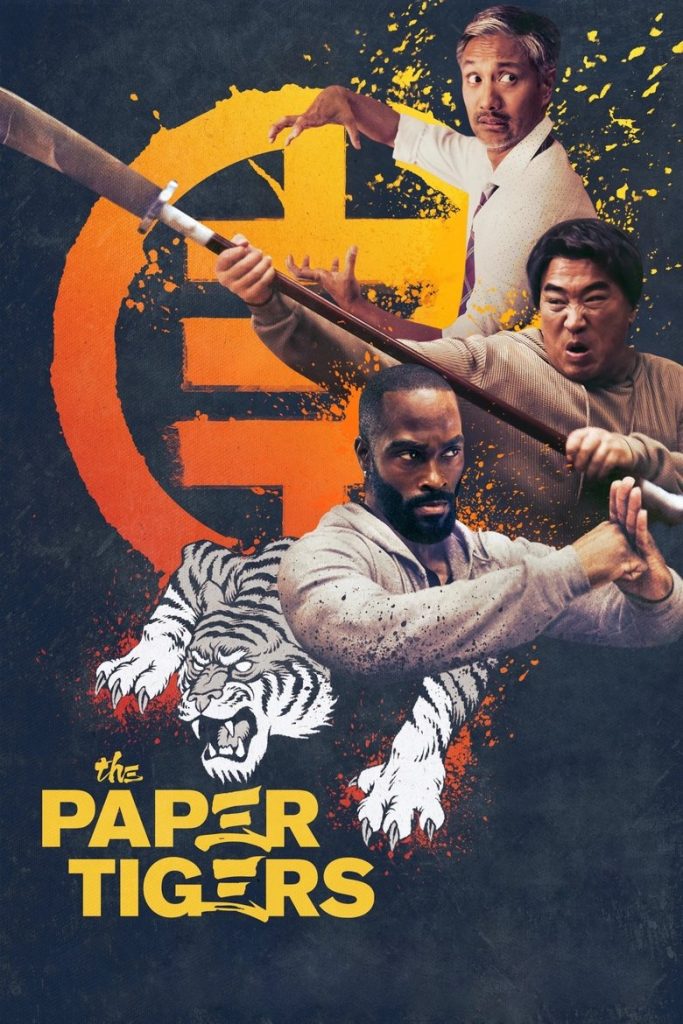
The Paper Tigers (2020) is an action-comedy film about three former martial arts prodigies who, now in their forties and out of shape, reunite to avenge their beloved master's death. Directed by Quoc Bao Tran, it blends lighthearted humor with martial arts action, exploring themes of friendship, redemption, and reconnecting with past passions. Rated PG-13, it features comedic fight scenes and mild peril, making it suitable for older children and teens with parental guidance.
Parent Guide
A lighthearted martial arts comedy with mild action and themes suitable for older children and teens. Parental guidance suggested for younger viewers due to fight scenes and occasional language.
Content breakdown
Martial arts fight scenes with punches, kicks, and slapstick humor; no graphic injuries or blood. Characters are in peril during confrontations but outcomes are non-lethal and comedic.
Minimal scariness; some tense moments during fights, but humor lightens the mood. No disturbing imagery or jump scares.
Occasional mild language such as 'hell,' 'damn,' and 'crap.' No strong profanity or slurs.
No sexual content, nudity, or romantic scenes; focus is on action and comedy.
No depiction of alcohol, drugs, or smoking; characters may reference past behaviors briefly but not shown.
Low emotional intensity; themes of loss and redemption are handled lightly with comedic elements. Suitable for most viewers without strong emotional triggers.
Parent tips
1. Watch together to discuss themes like loyalty and perseverance. 2. Note the comedic tone reduces intensity of fight scenes. 3. Prepare for mild language (e.g., 'hell,' 'damn') and slapstick violence. 4. Use it to talk about aging and maintaining skills. 5. Check if your child is comfortable with martial arts action. 6. Consider it for family movie nights with kids 8+.
Parent chat guide
Parent follow-up questions
- Did you like the funny fighting?
- What was your favorite part?
- How did the friends help each other?
- Why did the friends stop doing martial arts?
- Was it okay for them to fight back?
- What made the movie funny?
- How did aging affect the characters' skills?
- What does 'revenge' mean here?
- Did the comedy make the violence less scary?
- How does the film portray midlife crisis?
- Discuss the balance of humor and action.
- What messages about friendship did you take away?
🎭 Story Kernel
At its core, 'The Paper Tigers' is less about martial arts and more about the quiet tragedy of wasted potential and the struggle to find purpose after your glory days have faded. The three protagonists are driven by shame—shame over abandoning their master, shame over their physical decline, shame over becoming ordinary men. Their quest to avenge Sifu Cheung isn't fueled by righteous fury, but by a desperate need to prove to themselves that they were once something more than office workers, insurance salesmen, and deadbeat dads. The film's real conflict is internal: can these men reconcile the heroic warriors they remember being with the disappointing adults they've become? The resolution isn't a triumphant return to form, but a bittersweet acceptance that their greatest fight was never against a villain, but against their own irrelevance.
🎬 Visual Aesthetics
The film's visual language masterfully mirrors its themes of decay and faded glory. The color palette is deliberately muted—lots of grays, beiges, and washed-out blues—reflecting the dullness of the protagonists' adult lives. The action sequences are shot with a grounded, almost clumsy realism, especially when the out-of-shape trio attempts to fight. There are no wire-fu acrobatics; instead, we see strained muscles, bad knees, and heaving breaths. Sharp cuts between their sleek, vibrant flashbacks (saturated with rich reds and golds in the dojo) and their drab present highlight what they've lost. The camera often lingers on mundane middle-aged details—a protruding belly, reading glasses, a knee brace—making them feel as significant as any weapon.
🔍 Details & Easter Eggs
💡 Behind the Scenes
Lead actor Alain Uy, who plays Danny, performed most of his own stunts despite not having a formal martial arts background, emphasizing the film's theme of 'real' versus 'movie' fighting. The Seattle locations were chosen specifically for their rainy, gray aesthetic to contrast with the vibrant kung fu movie tradition. Director Tran Quoc Bao drew from his own experience as a child of immigrants and the pressure to abandon 'impractical' passions for stable careers, infusing the script with personal authenticity about cultural and generational expectations.
Where to watch
Choose region:
- Netflix
- Amazon Prime Video
- Netflix Standard with Ads
- Amazon Prime Video with Ads
- Hi-YAH Amazon Channel
- Amazon Video
- Apple TV Store
- Google Play Movies
- YouTube
- Fandango At Home
Trailer
Trailer playback is unavailable in your region.