
The Passion of Joan of Arc (1928)
Story overview
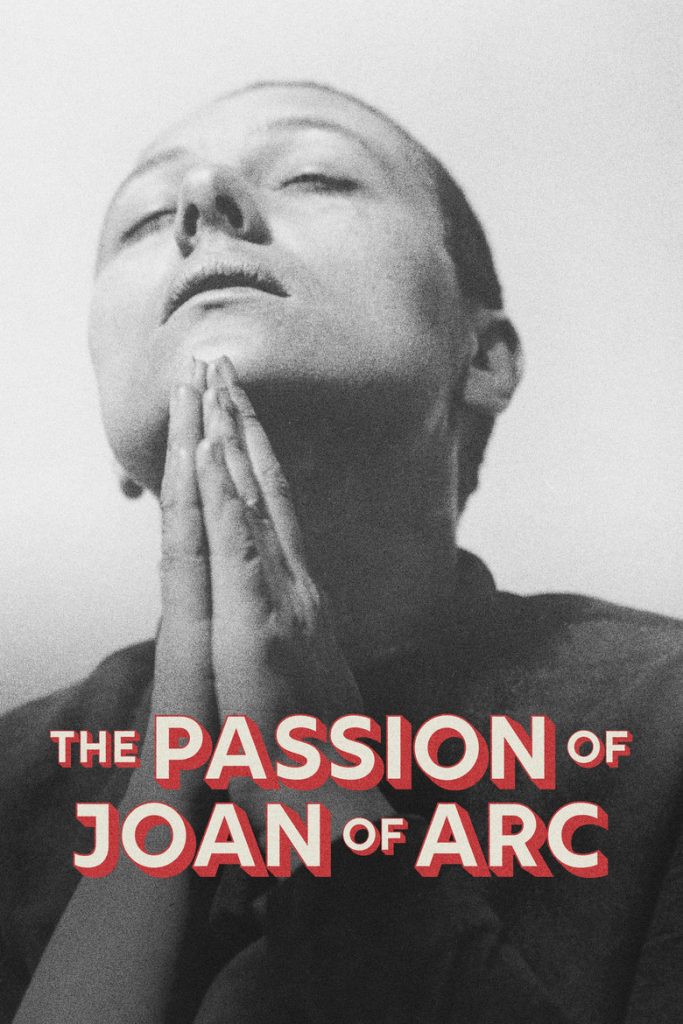
This silent film from 1928 depicts the trial and execution of Joan of Arc, a teenage girl in 15th-century France who claimed to have spoken to God. The story focuses on her interrogation by church officials who use psychological pressure and intimidation tactics to force her to recant her beliefs. Despite facing harsh treatment, Joan ultimately chooses to stand by her convictions, leading to her martyrdom through execution. The film is considered a classic of early cinema for its emotional intensity and artistic portrayal of faith under persecution.
Parent Guide
A historically significant silent film about religious persecution and martyrdom that requires maturity to handle its intense themes.
Content breakdown
No graphic violence shown, but the film deals with execution and psychological torment. The threat of death is present throughout.
Intense psychological pressure on a teenage girl, isolation, and the implication of execution. Close-ups of distressed facial expressions create emotional intensity.
Silent film with intertitles. No spoken dialogue or written offensive language.
No sexual content or nudity. Characters are fully clothed in historical garments.
No depiction of substance use.
High emotional intensity throughout as a teenage girl faces persecution, psychological pressure, and execution for her beliefs. The film's close-ups and artistic style amplify the emotional impact.
Parent tips
This historical drama deals with mature themes including religious persecution, psychological manipulation, and capital punishment. While there is no graphic violence shown on screen, the emotional intensity of Joan's trial and the implication of her execution may be disturbing for younger viewers. The silent film format with intertitles requires reading ability and may challenge modern children's attention spans.
Parents should be aware that the film portrays institutional cruelty toward a teenage girl who is isolated and pressured to deny her beliefs. The psychological torment and ultimate execution, while not graphically depicted, create a somber and intense atmosphere. This film is best suited for mature children who can handle historical themes of injustice and martyrdom.
Parent chat guide
After watching, talk about why people might persecute others for their beliefs and what it means to stand up for your convictions. Discuss how the film makes them feel about Joan's choices and the treatment she received. Consider comparing historical justice systems with modern ones, and how society has changed in how it treats people with different beliefs.
Parent follow-up questions
- How did you feel when you saw Joan being questioned?
- What do you think it means to be brave?
- Why were the people in the movie being mean to Joan?
- How did the movie make you feel?
- What was your favorite part of the movie?
- Why do you think Joan wouldn't change her story even when people were mean to her?
- How would you feel if someone didn't believe something important to you?
- What does it mean to be fair to someone who has different ideas?
- Why do you think the movie was made without talking?
- What did you learn about how people treated each other long ago?
- What do you think the film is saying about standing up for your beliefs?
- How does the movie show the difference between power and justice?
- Why might someone choose to suffer for what they believe is true?
- How does the silent film format affect how you understand the story?
- What historical lessons can we learn from Joan's story today?
- How does the film explore the relationship between individual conscience and institutional authority?
- What cinematic techniques does the director use to create emotional intensity without dialogue?
- How does Joan's gender and age affect how her story is told and received?
- What parallels can you draw between historical religious persecution and modern conflicts over beliefs?
- How does the film balance historical accuracy with artistic interpretation of Joan's experience?
🎭 Story Kernel
The film's core is not Joan's martyrdom, but the systematic dehumanization of faith by institutional power. It expresses the collision between subjective, ecstatic belief and the cold, rational machinery of the Church-State. What drives Joan is not political ambition, but a visceral, unshakable connection to the divine—a private truth that terrifies her inquisitors because it cannot be controlled or codified. The judges are driven by fear: fear of heresy, fear of losing authority, and ultimately, fear of a woman's voice claiming direct access to God. The trial becomes a brutal attempt to translate her mystical experience into their legalistic language, to break her spirit into confessable terms.
🎬 Visual Aesthetics
Dreyer's camera language is an unrelenting study in physiognomy. Extreme close-ups dominate, transforming faces into landscapes of emotion—Joan's tear-streaked anguish, the judges' grotesque, sweating scrutiny. The camera rarely pulls back, creating claustrophobic intensity. The stark, high-contrast lighting sculpts features with almost surgical precision, eliminating any decorative or period detail. There is no action style in the conventional sense; the 'action' is psychological, conveyed through micro-expressions, trembling lips, and searching eyes. The sparse sets and absence of establishing shots force complete focus on human faces as the sole battleground for truth and power.
🔍 Details & Easter Eggs
💡 Behind the Scenes
Renée Falconetti, who gives one of cinema's most harrowing performances, never acted in another film. Director Carl Th. Dreyer subjected her to an intense, almost torturous process, demanding take after take of extreme emotional exposure. The film was shot almost entirely in sequence to build Falconetti's exhaustion and despair authentically. Tragically, the original negative was lost in a fire, and for decades the film was considered lost. The version we have today was miraculously discovered in 1981 in a Norwegian mental institution's closet. Dreyer banned all makeup, seeking raw, unadorned humanity, which contributes massively to the film's devastating intimacy.
Where to watch
Choose region:
- HBO Max
- HBO Max Amazon Channel
- Criterion Channel
- FlixFling
- France Channel Amazon Channel
- Amazon Video
- Apple TV Store
- Fandango At Home
- The Roku Channel
- Tubi TV
- JustWatch TV
- Darkroom
- Fawesome
Trailer
Trailer playback is unavailable in your region.