
The Passion of the Christ (2004)
Story overview
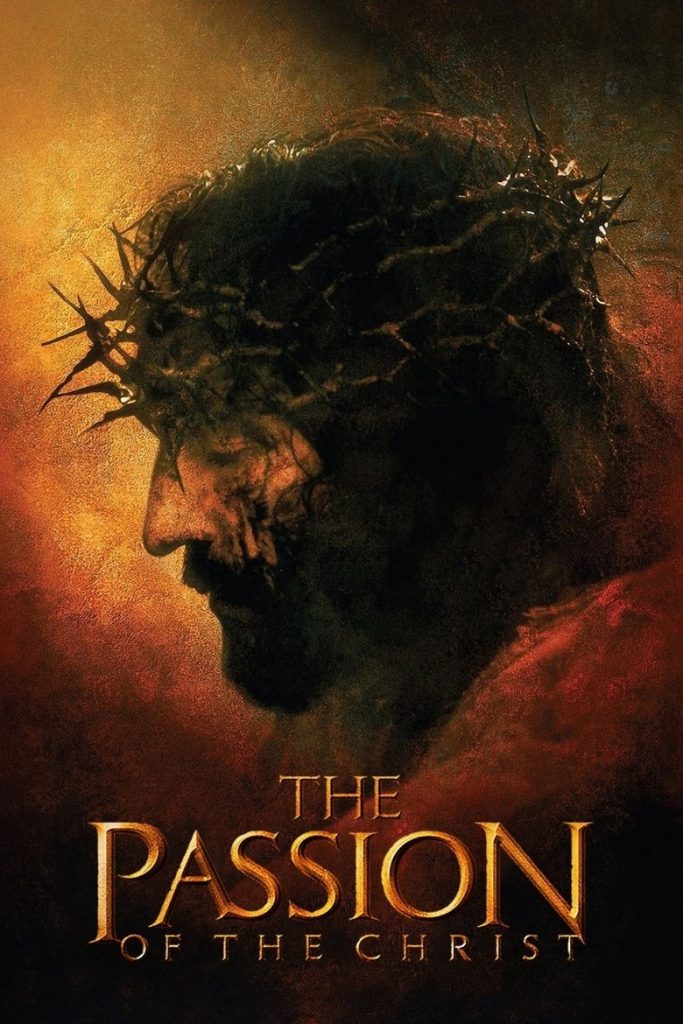
The Passion of the Christ is a 2004 drama film that depicts the final hours of Jesus Christ's life, focusing on his suffering, crucifixion, and resurrection. The film portrays the events leading up to and including the crucifixion with intense realism. It is primarily presented in Aramaic, Latin, and Hebrew with subtitles.
Parent Guide
Extremely intense religious drama with graphic, prolonged violence. Not suitable for children or sensitive viewers.
Content breakdown
Extremely graphic and prolonged depictions of torture, beating, whipping, and crucifixion with realistic blood and injury detail.
Intense suffering scenes, emotional anguish, and realistic depictions of pain that could be deeply disturbing.
No modern profanity; dialogue in ancient languages with subtitles.
Brief non-sexual nudity in torture scenes; primarily focused on suffering rather than sexuality.
No depiction of substance use.
Extremely high emotional intensity throughout with themes of suffering, betrayal, and sacrifice.
Parent tips
This film contains extremely graphic and prolonged depictions of violence, including brutal beatings, whipping, and crucifixion scenes that are intensely realistic and bloody. The R rating reflects this extreme content, which may be deeply disturbing even for mature viewers. Parents should be aware that this is not a typical religious film but a visceral portrayal of suffering that could traumatize younger viewers or those sensitive to graphic violence.
Parent chat guide
Parent follow-up questions
- What do you know about stories of kindness?
- How do people show they care about each other?
- What makes someone a good friend?
- Can you think of a time someone helped you?
- What are some ways we can be nice to others?
- What do you think makes a story important to people?
- How do different people show courage?
- Why do you think some stories get told in different ways?
- What does it mean to stand up for what you believe in?
- How can stories help us understand other people's feelings?
- How do filmmakers decide how much to show in historical stories?
- Why might different religious traditions tell similar stories differently?
- What responsibility do filmmakers have when showing difficult historical events?
- How can art help people understand sacrifice or suffering?
- What makes a historical film educational versus just entertaining?
- How does the extreme realism in this film affect its message compared to other religious films?
- What artistic choices in depicting violence serve the story versus sensationalize it?
- How do cultural and religious backgrounds influence viewers' reactions to this film?
- What ethical considerations exist when graphically depicting historical suffering?
- How might this film's approach compare to other historical dramas about difficult subjects?
🎭 Story Kernel
The film's core is not merely a historical recounting but a visceral exploration of suffering as a transformative, redemptive act. It strips away centuries of sanitized iconography to present Christ's Passion as an ordeal of physical and spiritual torment. The driving force isn't plot but endurance—Jesus's choice to submit to the machinery of state violence and religious hypocrisy. The narrative momentum comes from the collision between his unwavering resolve and the escalating brutality of the Roman and Temple authorities. It's a film about the weight of a single choice, played out across a landscape of flesh, wood, and stone.
🎬 Visual Aesthetics
Gibson employs a stark, almost tactile visual language. The color palette is desaturated, dominated by earth tones, dried blood, and cold stone, making the vivid crimson of wounds shockingly potent. The camera is relentlessly intimate, lingering on the physical details of violence—splintering wood, torn flesh, the spray of blood and sweat. This isn't stylized action; it's a brutal, procedural depiction. Symbolism is direct and physical: the heavy cross is both burden and instrument, water cleanses and betrays (Pilate's hands, the rain), and light often comes from below, casting ominous shadows that emphasize the gravity and grotesquerie of the events.
🔍 Details & Easter Eggs
💡 Behind the Scenes
To achieve authenticity, director Mel Gibson insisted the dialogue be in reconstructed Aramaic, Latin, and Hebrew, with subtitles, forcing audiences to engage visually. Jim Caviezel, who played Jesus, endured significant hardship: he was accidentally struck by lightning during the Sermon on the Mount filming, suffered a dislocated shoulder from the weight of the cross, and was genuinely scourged in some takes. The makeup team used detailed prosthetic appliances for the wounds, and the actor playing Satan (Rosalinda Celentano) was intentionally androgynous to represent a timeless, genderless evil.
Where to watch
Choose region:
- Netflix
- Netflix Standard with Ads
- Apple TV
- Google Play Movies
- YouTube
- Fandango At Home
- Spectrum On Demand
Trailer
Trailer playback is unavailable in your region.