
The Peasants (2023)
Story overview
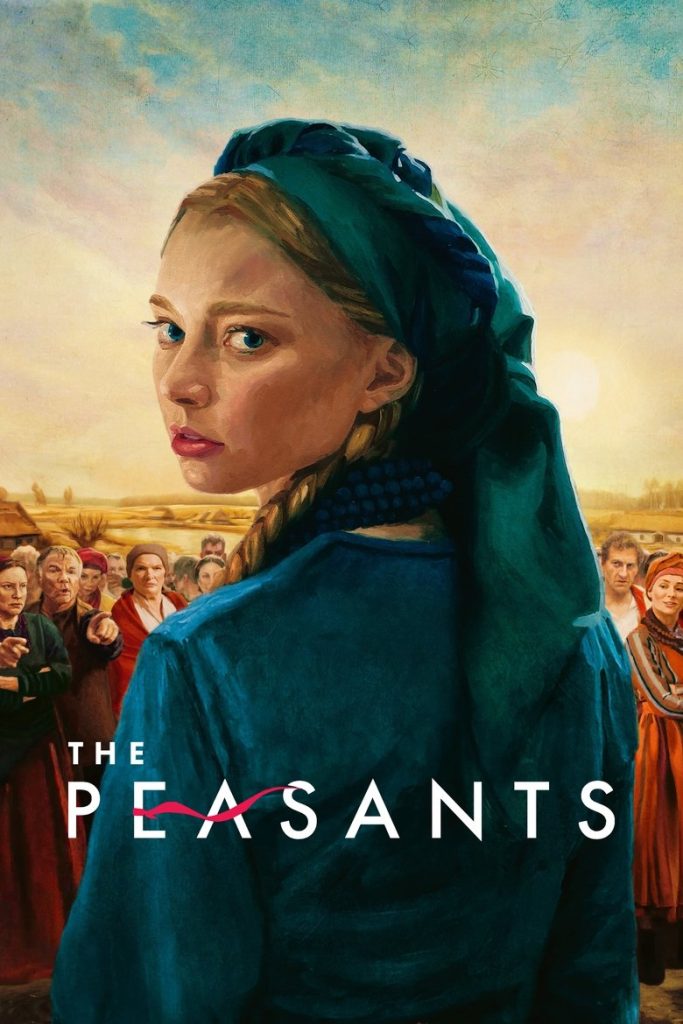
The Peasants is an animated historical drama set in a rural Polish village. It follows Jagna, a young peasant woman who is pressured into marrying an older, wealthy farmer despite her feelings for his son. The film explores themes of societal expectations, gender roles, and personal independence in a traditional community. Jagna's struggle against village judgment and her fight for autonomy form the emotional core of the story.
Parent Guide
A serious animated historical drama with mature themes about forced marriage, societal pressure, and personal independence in rural 19th-century Poland.
Content breakdown
Some tense confrontations and emotional conflicts, but no physical violence shown. Psychological pressure and social ostracism create tension.
Emotional intensity and themes of coercion, forced marriage, and social rejection may be disturbing. The weight of societal judgment creates psychological tension.
Period-appropriate dialogue with emotional intensity. No modern profanity, but characters express strong emotions and judgments.
Themes of romantic relationships and forced marriage, but no explicit sexual content. Some romantic tension and discussions of marriage.
No notable substance use depicted in the film.
High emotional intensity throughout with themes of coercion, social pressure, personal conflict, and the struggle for independence in restrictive circumstances.
Parent tips
This R-rated animated film deals with mature themes including forced marriage, societal pressure, and gender inequality in a historical rural setting. While the animation style is painterly and artistic, the content is serious and emotionally intense, making it more suitable for older teens and adults rather than younger children.
The film portrays complex relationships and emotional conflicts that may be challenging for younger viewers to process. Parents should be aware that while there's no graphic violence or explicit content, the psychological tension and themes of coercion and social ostracism create a heavy atmosphere.
Consider this film for mature teens who can handle historical dramas about difficult social issues. The animation format might initially appeal to younger viewers, but the content is decidedly adult-oriented in its themes and emotional weight.
Parent chat guide
During viewing, you might pause to ask how Jagna's situation compares to modern relationships and choices. Discuss the pressure she faces from different characters and what options she has in her historical context.
After watching, explore themes of independence versus community expectations. Ask your teen about the consequences of going against social norms, both historically and today. Discuss how the film portrays resilience and the cost of maintaining personal integrity in difficult circumstances.
Parent follow-up questions
- What colors did you like in the movie?
- Did you see any animals in the film?
- What was your favorite part to watch?
- How did the pictures make you feel?
- What sounds did you hear in the movie?
- Why do you think Jagna had to marry someone she didn't love?
- How did the villagers treat Jagna differently from others?
- What does it mean to be independent?
- How do you think Jagna felt when people were unkind to her?
- What would you do if you were in Jagna's situation?
- What pressures did Jagna face from her family and community?
- How does this historical setting compare to modern relationships?
- What does the film show about fairness and choice?
- Why do you think the villagers judged Jagna so harshly?
- What does independence mean in different situations?
- How does the film explore the tension between individual desire and social expectations?
- What commentary does the film make about gender roles in historical contexts?
- How does Jagna's struggle for autonomy reflect broader human experiences?
- What does the film suggest about the cost of nonconformity in tight-knit communities?
- How might different characters' perspectives change your understanding of the story?
🎭 Story Kernel
Beyond the surface-level romance, The Peasants is a brutal examination of the intersection between land and flesh. It explores how the cyclical nature of the seasons mirrors the inescapable patterns of human greed and social policing. Jagna is not just a protagonist; she is a canvas upon which the village of Lipce projects its desires and insecurities. The film captures the suffocating weight of communal expectations, where land ownership is the only true currency, and individual passion is a liability. It portrays a society where the earth is sacred, but the people treading upon it are bound by a primitive, often violent, moral code that prioritizes the status quo over the human spirit. Ultimately, it is a tragedy of a woman whose beauty and spirit are treated as resources to be harvested or destroyed.
🎬 Visual Aesthetics
The film utilizes a breathtaking hand-painted animation technique, evolving the style of Loving Vincent into a richer, more textured homage to Young Poland movement artists like Józef Chełmoński and Ferdynand Ruszczyc. Each frame is a literal oil painting, capturing the shifting light of the four seasons with a tactile intensity that digital media cannot replicate. This aesthetic choice isn't merely decorative; it serves as a metaphor for the permanence of the landscape versus the fleeting, messy lives of the characters. The vibrant colors of the weddings and festivals contrast sharply with the muted, muddy tones of the village's darker impulses, effectively using light and brushwork to heighten the emotional stakes. The animation captures the kinetic energy of dance and the stillness of despair with equal, haunting precision.
🔍 Details & Easter Eggs
💡 Behind the Scenes
The Peasants was Poland's official entry for the 96th Academy Awards. The production was a massive undertaking involving over 100 animators and painters across studios in Poland, Serbia, Lithuania, and Ukraine. Unlike the directors' previous work, Loving Vincent, which used a more static painting style, this film employed a more fluid technique to handle complex, high-energy dance sequences and large crowd scenes. The actors, including Kamila Urzędowska, performed on physical sets before the footage was painstakingly hand-painted over. The soundtrack, composed by L.U.C., utilizes traditional Slavic instruments to create a haunting, folk-inspired atmosphere that complements the visual richness.
Where to watch
Choose region:
- Netflix
- Amazon Video
- Apple TV
- Google Play Movies
- YouTube
- Fandango At Home
Trailer
Trailer playback is unavailable in your region.