
The Pee-wee Herman Show (1981)
Story overview
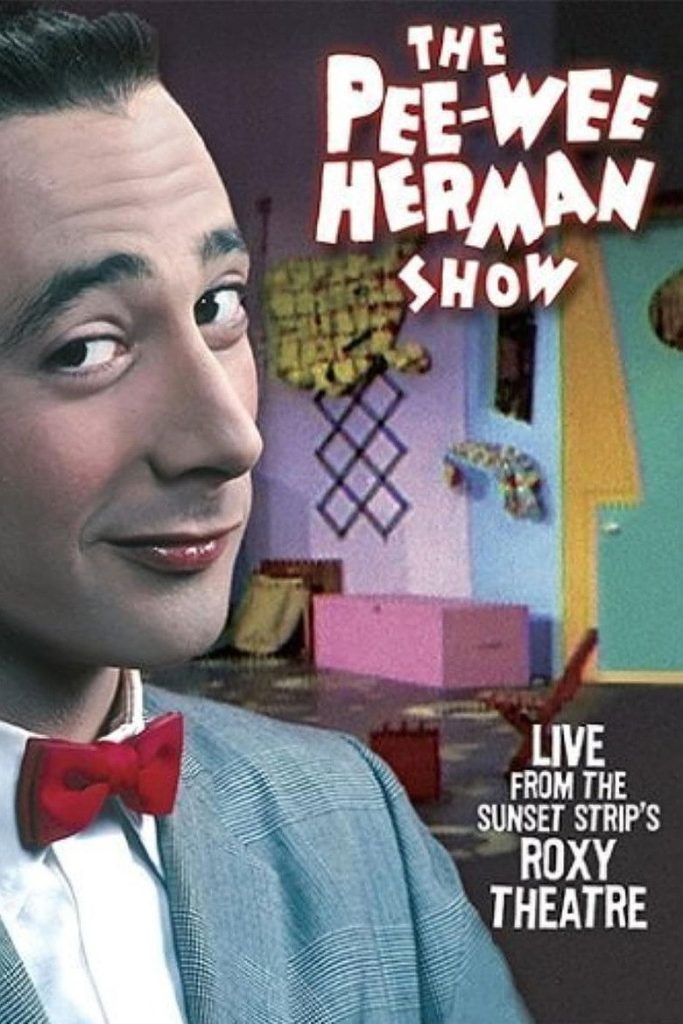
This 1981 TV movie is the original adult-oriented version of what later became the popular children's series 'Pee-wee's Playhouse.' Set in Pee-wee's whimsical playhouse with familiar characters, it features irreverent humor and jokes that were toned down for the later children's version. The show includes surreal elements like 'mirror shoes' and maintains a playful but sometimes edgy comedic tone.
Parent Guide
This original version contains adult-oriented humor that may confuse or be inappropriate for younger children. Best suited for older children who can understand context and discuss humor with parents.
Content breakdown
No violence or peril depicted. The show is entirely comedic and playful in tone.
Some surreal or bizarre humor might be confusing to younger viewers, but nothing intentionally scary. The 'mirror shoes' and other odd elements are played for laughs.
No strong language, but some jokes and innuendo may have adult connotations that younger children won't understand.
No nudity or explicit sexual content. Some jokes may have subtle innuendo or double meanings that are more apparent to adults.
No depiction of substance use.
Lighthearted and comedic throughout. No emotionally intense scenes.
Parent tips
This version contains adult-oriented humor that may not be suitable for young children. Consider watching the later children's series instead for family viewing. If watching this version, be prepared to explain some jokes and discuss appropriate humor. The TV-PG rating suggests parental guidance is advised.
Parent chat guide
Parent follow-up questions
- Did you like the colorful playhouse?
- Which character was your favorite?
- What was the silliest thing you saw?
- What jokes did you understand?
- How is this different from other kids' shows you watch?
- Why do you think some jokes might be for adults?
- What makes humor 'adult-oriented'?
- How does this compare to modern comedy shows?
- Do you think the irreverent tone is appropriate for kids?
- How does this early version reflect 1980s comedy?
- What social commentary might be in the humor?
- How has children's entertainment evolved since this was made?
🎭 Story Kernel
Beneath the manic comedy and childish antics, 'The Pee-wee Herman Show' explores the fragile construction of identity and the desperate performance of happiness. Pee-wee isn't just a man-child; he's a meticulously curated persona defending a private world from external chaos. The plot's simple conflict—Pee-wee wanting his stolen bike back—is merely a MacGuffin. The real story is the defense of his self-constructed reality against the intrusions of the 'real' world, represented by Francis, the bully, and the looming, unexplained 'Large Marge.' His journey isn't about retrieving property but reaffirming the rules of his own absurd universe where he remains king.
🎬 Visual Aesthetics
The film operates on a hyper-stylized, artificial aesthetic that feels like a live-action cartoon or a stage play. The color palette is aggressively bright and saturated, mirroring a child's toy box, which ironically heightens the underlying strangeness. Camera work often employs static, wide shots that frame the action like a proscenium stage, emphasizing the performative nature of Pee-wee's existence. Key sequences, like the 'Tequila' dance in the biker bar, use dynamic, sweeping movements to contrast his rigid world with moments of unexpected, chaotic liberation. The visual language consistently prioritizes artifice over realism, making the world feel both enchanting and eerily hollow.
🔍 Details & Easter Eggs
💡 Behind the Scenes
The film is an adaptation of Paul Reubens's stage show, which itself was a revival of his cult 1980s character. Director Tim Burton was fresh from 'Beetlejuice' and brought his signature gothic whimsy, clashing with and enhancing Reubens's vaudevillian style. The iconic 'Large Marge' trucker ghost sequence was a pioneering and expensive claymation effect for its time. Much of the film was shot on soundstages, with the town of 'Fairville' being a massive, detailed backlot, contributing to the pervasive feeling of a sealed, artificial world.
Where to watch
Choose region:
- HBO Max
- HBO Max Amazon Channel