The Perfect Weapon (2020)
Story overview
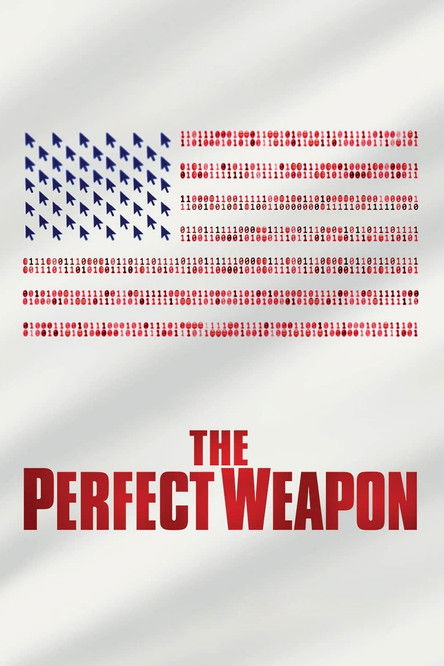
The Perfect Weapon is a 2020 documentary exploring crime-related themes. As a TV-MA rated film, it deals with mature subject matter appropriate for adult audiences. The documentary format likely presents real-world issues through investigative storytelling.
Parent Guide
TV-MA rated crime documentary with mature themes requiring parental guidance for viewers under 17.
Content breakdown
Documentary may include discussions or depictions of criminal activities, though specifics are unknown.
Real crime content could include disturbing themes or descriptions of violence.
TV-MA rating suggests potentially strong language may be present.
No indication of sexual content in available information.
Crime documentaries may reference substance-related offenses.
Serious crime topics may create emotional engagement with difficult subject matter.
Parent tips
This documentary is rated TV-MA, indicating it's specifically designed for mature audiences and may be unsuitable for children under 17. The crime documentary genre often contains disturbing real-world content, graphic descriptions, or intense themes that require emotional maturity to process. Consider previewing the content yourself before deciding if it's appropriate for your family, as documentaries can present challenging realities that younger viewers might find confusing or upsetting.
Parent chat guide
Parent follow-up questions
- What do you think a documentary is?
- What makes something a 'crime'?
- How do people make movies about real things?
- What did you learn about how documentaries are made?
- Why do you think some stories are told in documentary form?
- How can we tell if information in a documentary is true?
- What techniques did the filmmakers use to tell this story?
- How might documentaries influence public opinion about crime?
- What responsibilities do documentary filmmakers have to their subjects?
- How does this documentary approach its subject matter compared to fictional crime stories?
- What ethical considerations arise when documenting real crimes?
- How might the documentary format shape our understanding of complex social issues?
🎭 Story Kernel
At its core, 'The Perfect Weapon' explores the tension between tradition and modernity through the lens of martial arts. The protagonist's journey isn't just about mastering physical combat but confronting the psychological and cultural expectations placed upon him. The film examines how identity becomes weaponized—both literally through fighting skills and metaphorically through societal roles. What drives the characters is a search for authenticity in a world that demands performance, where every move becomes a statement about heritage versus individuality. The conflict between mentor and student reveals how knowledge transmission carries both liberation and burden.
🎬 Visual Aesthetics
The film employs a stark, desaturated color palette that emphasizes the gritty realism of its urban environments, contrasting sharply with the vibrant reds and golds during traditional dojo sequences. Camera work favors steady, wide shots during philosophical moments, shifting to rapid, handheld close-ups during fight scenes to create visceral impact. The action choreography prioritizes weight and consequence over flashy acrobatics—each strike feels consequential. Symbolically, reflections in windows and mirrors appear frequently, suggesting characters confronting their dual natures. The framing often isolates fighters within empty spaces, visually representing their emotional isolation.
🔍 Details & Easter Eggs
💡 Behind the Scenes
Lead actor Jeff Speakman performed nearly all his own stunts, drawing from his legitimate Kenpo karate background where he holds a 5th degree black belt. The film's iconic warehouse fight scene was shot in a single continuous take requiring 27 attempts. Director Mark DiSalle intentionally avoided wirework to maintain realistic combat physics. Several supporting actors were actual martial arts champions recruited for authenticity. The production faced challenges with Los Angeles locations, requiring creative use of industrial zones to establish the film's distinctive urban atmosphere.
Where to watch
Choose region:
- HBO Max
- HBO Max Amazon Channel
- Amazon Video
- Apple TV
- Google Play Movies
- YouTube
- Fandango At Home
Trailer
Trailer playback is unavailable in your region.