
The Perks of Being a Wallflower (2012)
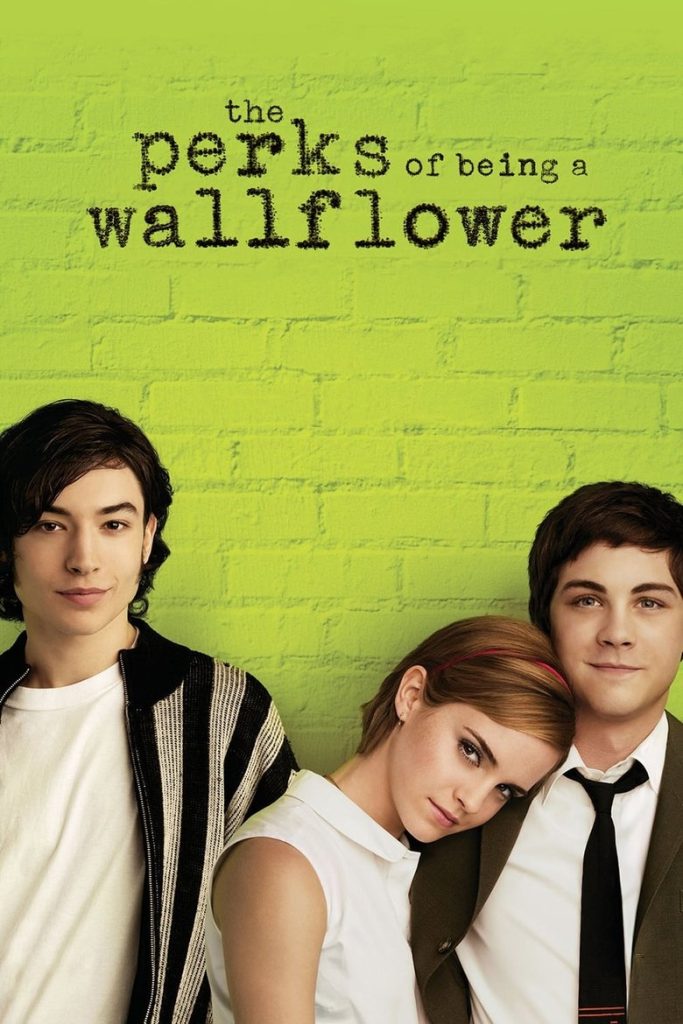
Story overview
The Perks of Being a Wallflower is a coming-of-age drama that follows a shy high school freshman named Charlie as he navigates the challenges of adolescence. With the help of two senior friends, he explores friendship, first love, and personal growth while confronting past traumas. The film sensitively portrays teenage experiences with emotional depth and authenticity.
Parent Guide
A thoughtful coming-of-age drama with mature themes best suited for teenagers with parental guidance.
Content breakdown
Brief scenes of bullying and emotional confrontations; no graphic violence.
Themes of trauma, depression, and emotional distress; some intense emotional scenes.
Some strong language typical of teen dialogue and high school settings.
Teen relationships and discussions about sexuality; implied sexual situations.
Teen drinking, smoking, and drug use at parties; not glorified but present.
Heavy themes of mental health, trauma, and adolescent struggles handled with sensitivity.
Parent tips
This PG-13 rated drama deals with mature themes including mental health, trauma recovery, and teenage experimentation. Parents should be aware that while the film handles these topics thoughtfully, some content may be intense for younger viewers. Consider watching together with teenagers to facilitate discussions about the emotional challenges depicted.
Parent chat guide
Parent follow-up questions
- What makes someone a good friend?
- How do you help someone who feels sad?
- What makes you feel brave when trying new things?
- Why is it important to be kind to people who seem shy?
- How do friends help each other through hard times?
- What does it mean to 'come out of your shell' like Charlie does?
- How does Charlie change throughout the story?
- What healthy ways do characters cope with difficult emotions?
- Why is it important to talk to trusted adults about problems?
- How does the film portray the complexity of teenage relationships?
- What does the story suggest about healing from past trauma?
- How do the characters balance independence with seeking support from others?
🎭 Story Kernel
The film is fundamentally about the construction of self through trauma, not just teenage angst. Charlie's wallflower status isn't shyness—it's a dissociative shield from repressed memories of childhood sexual abuse and the suicide of his best friend. His journey isn't about 'coming out of his shell' but about the painful, necessary process of memory integration. The driving force for all characters is the search for a family to replace the ones that failed them: Sam seeks validation after abuse, Patrick masks heartbreak with bravado, and their group coalesces around shared, unspoken damage. The climax isn't a romantic victory but Charlie's breakdown, where he must finally confront the source of his PTSD to begin healing.
🎬 Visual Aesthetics
Director Stephen Chbosky uses a muted, slightly grainy 1990s aesthetic that feels authentically archival, not nostalgic. Charlie's perspective dominates the camera work—scenes often start tight on his face, with the world blurry at the edges, mirroring his dissociation. The color palette is deliberately drab in Charlie's home life (beiges, greys) but warms in the presence of his friends (richer tones at parties, in Sam's room). The iconic tunnel scene uses a low-angle, wide shot to make the characters feel monumental against the city lights, visually cementing their moment of belonging. Recurring visual motifs include handwritten letters (the film's narrative frame) and reflective surfaces (windows, mirrors) where characters confront their fragmented selves.
🔍 Details & Easter Eggs
💡 Behind the Scenes
Author Stephen Chbosky directed the film adaptation of his own novel, a rare move that preserved the story's intimate tone. The iconic tunnel scene was filmed in Pittsburgh's Fort Pitt Tunnel; the 'hero' shot of them standing in the pickup was achieved by towing the truck with a camera car. Emma Watson, aiming to shed her Hermione image, actively pursued the role of Sam and adopted an American accent. Logan Lerman (Charlie) performed his intense breakdown scene in one continuous take to maintain emotional authenticity. The film's soundtrack, crucial to its identity, features deep-cut 1990s alternative rock curated to feel like a character's personal mixtape, not a generic hits compilation.
Where to watch
Choose region:
- HBO Max
- HBO Max Amazon Channel
- Cinemax Amazon Channel
- Cinemax Apple TV Channel
- Amazon Video
- Apple TV
- Google Play Movies
- YouTube
- Fandango At Home
Trailer
Trailer playback is unavailable in your region.