The Pianist (2002)
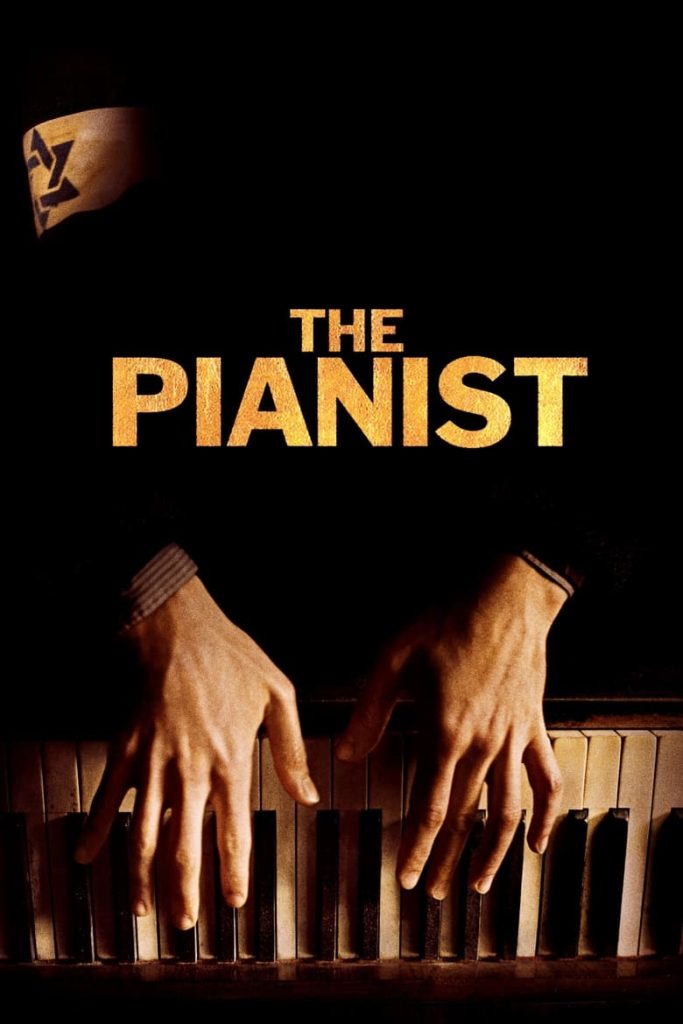
Story overview
The Pianist is a biographical war drama based on the true story of Polish-Jewish pianist Władysław Szpilman during World War II. It depicts his struggle for survival in Warsaw as the Nazi occupation forces the Jewish population into a ghetto and eventually deports his family. The film follows Szpilman's journey as he hides in the ruined city, relying on his musical talent and the kindness of strangers to endure the horrors of war.
Parent Guide
A powerful but intense historical drama about survival during the Holocaust, recommended for mature teenagers who can handle graphic war violence and emotional trauma.
Content breakdown
Includes wartime violence, executions, beatings, and peril from military occupation and persecution.
Contains disturbing Holocaust imagery, including starvation, mass deportations, and psychological trauma.
Some wartime-era offensive terms and occasional strong language in context.
No sexual content or nudity present in the film.
Brief scenes of alcohol consumption in social contexts.
High emotional intensity throughout due to survival themes, loss, and historical atrocities.
Parent tips
This R-rated film contains intense and realistic depictions of the Holocaust, including violence, peril, and emotional trauma that may be disturbing for younger viewers. Parents should be aware that the movie portrays historical atrocities with unflinching honesty, including scenes of starvation, persecution, and death. Due to its mature themes and graphic content, it's most appropriate for older teenagers who can process the historical context and emotional weight of the story.
Parent chat guide
Parent follow-up questions
- How did the music make you feel?
- What was your favorite part of the movie?
- How do you think the main character felt when he was alone?
- What does it mean to be brave?
- How can we help people who are sad or scared?
- Why do you think music was important to the main character?
- What would you do if you had to hide like he did?
- How did people help each other in the movie?
- What does 'perseverance' mean based on this story?
- Why is it important to remember stories like this?
- How did the main character's musical talent help him survive?
- What historical events were shown in this film?
- How does this movie show the importance of human dignity?
- What choices did characters make to help or harm others?
- How can art help people during difficult times?
- How does this film portray the psychological effects of trauma and survival?
- What historical accuracy did you notice in the depiction of the Warsaw Ghetto?
- How does the film balance showing atrocities while maintaining human dignity?
- What contemporary relevance does this story about persecution have today?
- How does the cinematography and score contribute to the emotional impact?
🎭 Story Kernel
At its core, 'The Pianist' explores how artistic identity persists when humanity is stripped away. Władysław Szpilman's journey isn't about heroism but about the raw instinct to survive while clinging to fragments of his former self—his music. The film asks what remains when everything is taken: dignity, culture, even basic compassion. Szpilman's survival hinges on chance encounters and small mercies from unlikely sources, revealing that in extreme circumstances, humanity flickers unpredictably. His final performance isn't triumph but a haunting echo of what was lost, suggesting art can witness but never restore.
🎬 Visual Aesthetics
Roman Polanski employs a restrained, almost documentary-like visual style, with desaturated colors mirroring Warsaw's gradual decay. The camera often observes Szpilman from a distance, emphasizing his isolation amidst chaos. Key scenes use stark contrasts: the vibrant pre-war apartment versus the gray ghetto, or the lush greenery of his hiding place against urban rubble. Symbolism appears subtly, like the piano Szpilman mimes playing—a ghost of his art. The film's climax in the ruined building uses minimal light to highlight his vulnerability, making his survival feel fragile and real, not cinematic.
🔍 Details & Easter Eggs
💡 Behind the Scenes
Adrien Brody lost 30 pounds and learned to play Chopin on piano for the role, isolating himself to mirror Szpilman's loneliness. The film was shot in Warsaw, including actual ghetto locations, with Polanski drawing from his childhood Holocaust memories. Szpilman's memoir, the basis, was controversial for its unflinching portrayal; Polanski insisted on realism, avoiding sentimentality. Brody became the youngest Best Actor Oscar winner at 29 for this performance.
Where to watch
Choose region:
- Amazon Prime Video
- fuboTV
- Peacock Premium
- Curiosity Stream
- CuriosityStream Apple TV Channel
- Amazon Prime Video with Ads
- Peacock Premium Plus
- Amazon Video
- Apple TV
- Google Play Movies
- YouTube
- Fandango At Home
- The Roku Channel
- Fandango at Home Free
- Tubi TV
- Kanopy
- Plex
- Plex Channel
- Fawesome
Trailer
Trailer playback is unavailable in your region.