
The Pixar Story (2007)
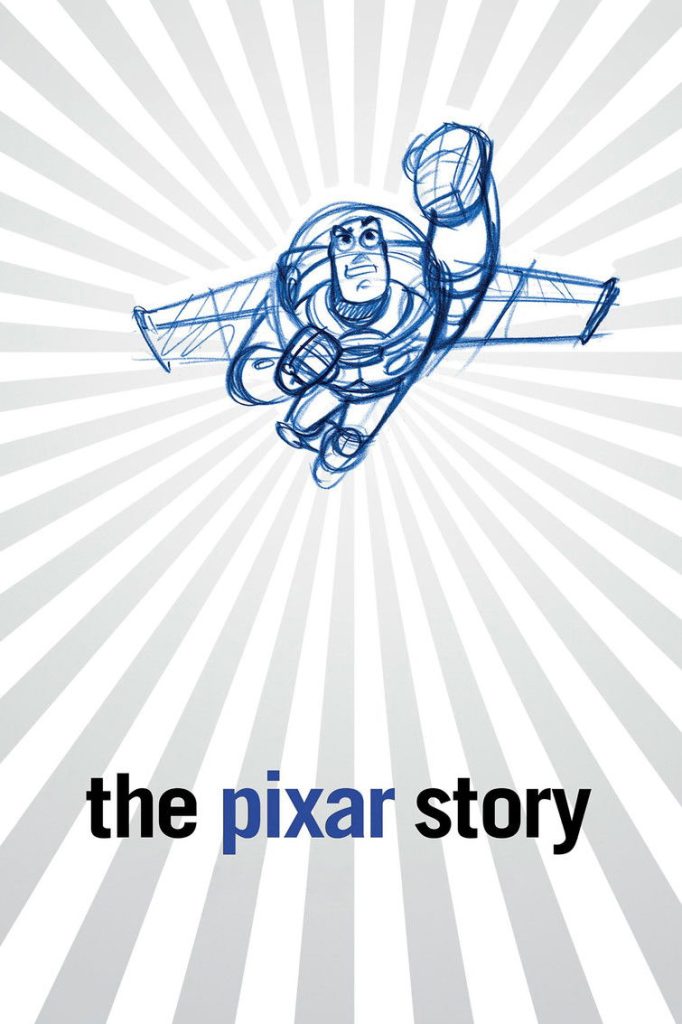
Story overview
This documentary chronicles the inspiring journey of Pixar Animation Studios, from its early days through its groundbreaking success with films like 'Toy Story.' It highlights the creative vision of founders John Lasseter, Ed Catmull, and Steve Jobs, showcasing their dedication to innovation and teamwork. The film explores Pixar's rise in 3D animation, its partnership with Disney, and the cultural shift in animation, emphasizing themes of hard work, creativity, and perseverance in the entertainment industry.
Parent Guide
A family-friendly documentary suitable for all ages, with no concerning content. It offers an educational look at animation history and creativity, though younger children may prefer more engaging, fictional Pixar films.
Content breakdown
No violence or peril depicted; the content focuses on real-world business and creative processes.
Nothing scary or disturbing; it's a straightforward documentary about a company's history.
No offensive language; the dialogue is professional and informative.
No sexual content or nudity.
No depiction of substance use.
Mild emotional moments related to the challenges and triumphs of building a company, but nothing intense or distressing.
Parent tips
This G-rated documentary is suitable for all ages, focusing on creativity and business history rather than fictional storytelling. It may interest children who enjoy Pixar movies, but younger viewers might find it slow-paced compared to animated features. Use it as an opportunity to discuss innovation, teamwork, and the real-world process behind beloved films. No content warnings are needed, as it contains no violence, language, or mature themes.
Parent chat guide
Parent follow-up questions
- What was your favorite part of the movie?
- Can you name a Pixar character you like?
- What does it mean to be creative?
- How did the people at Pixar work together to make movies?
- Why do you think 'Toy Story' was so successful?
- What can we learn from John Lasseter's story?
- What challenges did Pixar face in its early years?
- How did technology change animation?
- What role did Steve Jobs play in Pixar's success?
- Discuss the impact of Pixar on the animation industry.
- How does this documentary portray innovation and risk-taking?
- What lessons about business and creativity can be applied to other fields?
🎭 Story Kernel
The film reveals that Pixar's true story isn't about technological triumph but about creative survival against corporate indifference. The driving force isn't Steve Jobs' business acumen or John Lasseter's vision alone—it's the collective desperation of artists who kept creating even when their company was being sold for parts. The documentary shows how Pixar's near-failures (the Toy Story 2 server crash, the constant financial crises) forged their collaborative culture. The characters are driven by a shared belief that storytelling matters more than profit margins, even when those margins were nonexistent. It's ultimately about how creativity persists in hostile environments.
🎬 Visual Aesthetics
The documentary employs a clever visual language that mirrors Pixar's own aesthetic evolution. Early footage appears grainy and archival—home videos of animators working in cramped spaces—gradually transitioning to crisp behind-the-scenes footage of modern productions. The camera lingers on physical artifacts: storyboards, clay models, and early renderings that look primitive by today's standards. Color palettes shift from the muted tones of corporate offices during Pixar's struggling years to the vibrant hues of their animation studios later. Most telling are the interviews framed against unfinished backgrounds, subtly reminding viewers this was always a work-in-progress company.
🔍 Details & Easter Eggs
💡 Behind the Scenes
The documentary was directed by Leslie Iwerks, granddaughter of Ub Iwerks who co-created Mickey Mouse with Walt Disney—creating a full-circle moment about animation legacies. It took three years to produce because Pixar initially resisted participation, fearing it would distract from their film work. Many interviews were conducted during actual production breaks on Ratatouille and WALL-E. Steve Jobs only agreed to participate after seeing early footage, and his interview was notably conducted in Pixar's empty theater rather than his office.
Where to watch
Choose region:
- Disney Plus
- Amazon Video
- Apple TV Store
- Google Play Movies
- YouTube
- Fandango At Home
Trailer
Trailer playback is unavailable in your region.