
The Power of the Dog (2021)
Story overview
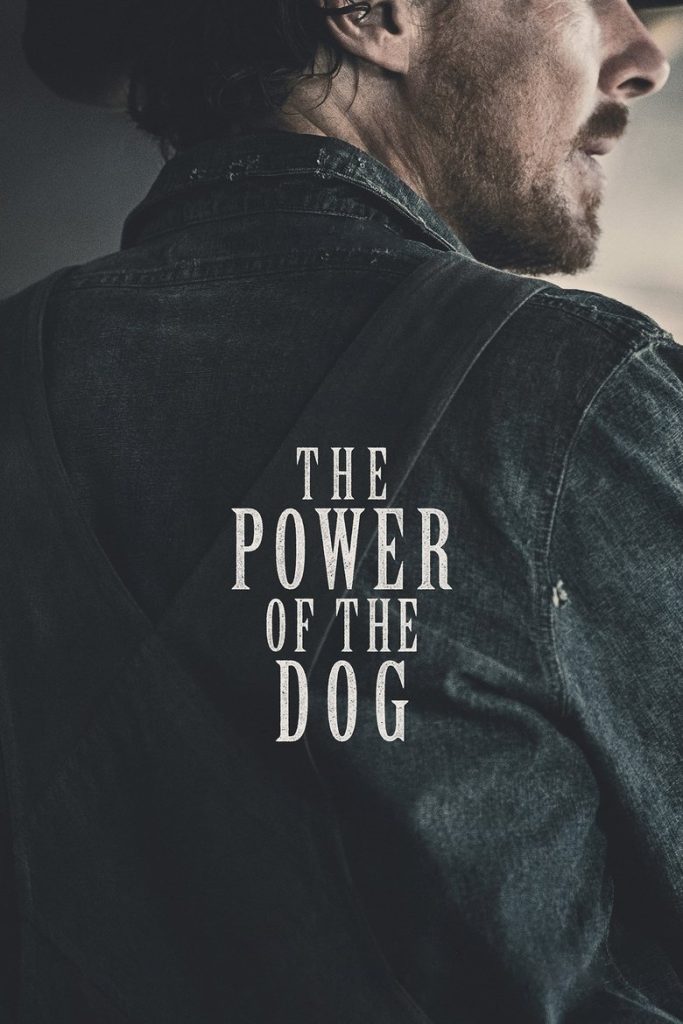
The Power of the Dog is a 2021 psychological drama set in 1925 Montana, directed by Jane Campion. It follows wealthy rancher Phil Burbank, whose cruel and domineering behavior targets his brother's new wife Rose and her sensitive teenage son Peter. As tensions simmer on the isolated ranch, hidden vulnerabilities and secrets gradually surface, revealing complex relationships and repressed emotions beneath the rugged Western exterior.
Parent Guide
A psychologically intense drama with mature themes of emotional abuse, repressed sexuality, and toxic masculinity. While not graphically violent, the emotional cruelty and psychological manipulation create significant tension. Contains brief but disturbing animal cruelty and substance use. Recommended for mature viewers only.
Content breakdown
Psychological intimidation and emotional cruelty are central to the plot. One brief but disturbing scene shows animal cruelty (a cow being slaughtered, though not overly graphic). No physical violence between humans, but constant threat and menace create psychological peril.
Emotional manipulation and psychological torment create significant unease. The animal cruelty scene is brief but impactful. Themes of repressed trauma and hidden identities contribute to disturbing undercurrents. The overall tone is tense and unsettling rather than traditionally scary.
Occasional mild profanity (hell, damn). No strong or frequent swearing. The verbal cruelty comes more from tone and content than explicit language.
Implied homosexuality and repressed sexuality are central themes. Brief male nudity (backside) in a non-sexual context. Sexual tension and references but no explicit sexual scenes. Themes of desire and repression are handled subtly but are mature in nature.
Frequent drinking of alcohol (whiskey, wine) by adults. One character develops a drinking problem that affects her behavior. Smoking is prevalent (cigarettes, cigars) as period-appropriate behavior.
High emotional intensity throughout. Constant psychological tension, emotional cruelty, and manipulation. Themes of loneliness, repression, and hidden pain create sustained emotional weight. The slow-burn narrative builds to emotionally charged revelations.
Parent tips
This R-rated film contains mature themes including psychological manipulation, emotional cruelty, and brief but impactful scenes of animal cruelty and substance use. The slow-burn narrative focuses on character dynamics rather than action, with intense emotional undercurrents that may be challenging for younger viewers. Best suited for mature teens who can handle nuanced psychological drama.
Parent chat guide
Parent follow-up questions
—
—
—
- What did you think about Phil's treatment of Peter and Rose?
- How did the movie show that people aren't always what they seem on the outside?
- What did you notice about how the characters expressed or hid their emotions?
- Why do you think the movie included scenes with animals?
- What message did you take away about bullying and cruelty?
🎭 Story Kernel
The film explores the brutal mechanics of repression and the violence of masculinity as performance. Phil Burbank's cruelty stems from his suppressed homosexuality, which he channels into hyper-masculine dominance over his ranch and family. His torment of Rose and Peter isn't random malice but a desperate defense mechanism—attacking what he secretly envies (Rose's marriage) and fears (Peter's perceived femininity). The story's real engine is Peter's quiet observation and manipulation; his ultimate act isn't murder but a surgical dismantling of Phil's entire constructed identity, revealing how the strongest-seeming man was poisoned by his own hidden self.
🎬 Visual Aesthetics
Jane Campion's direction uses the New Zealand landscape as both breathtaking backdrop and psychological prison. Wide shots emphasize characters' isolation within vast spaces, while tight close-ups on hands—rope-making, piano-playing, dissecting rabbits—reveal unspoken tensions. The color palette shifts from warm golds during Phil's dominance to cooler blues as Peter's influence grows. Most striking is the use of framing: doorways and windows constantly separate characters, visually reinforcing emotional barriers. The 'dog' mountain silhouette looms in nearly every exterior shot, a constant reminder of the wildness Phil worships and that ultimately consumes him.
🔍 Details & Easter Eggs
💡 Behind the Scenes
Benedict Cumberbatch learned authentic 1920s cowboy skills including rope-making, banjo playing, and castrating cattle for his role. The film was shot in New Zealand's Otago region standing in for 1925 Montana. Director Jane Campion deliberately avoided typical Western film references, instead drawing visual inspiration from Andrew Wyeth's paintings. Kirsten Dunst performed her own piano scenes despite having no prior experience, practicing intensely to achieve Rose's convincingly awkward playing during her breakdown.
Where to watch
Choose region:
- Netflix
- Netflix Standard with Ads
Trailer
Trailer playback is unavailable in your region.