
The Projectionist (2026)
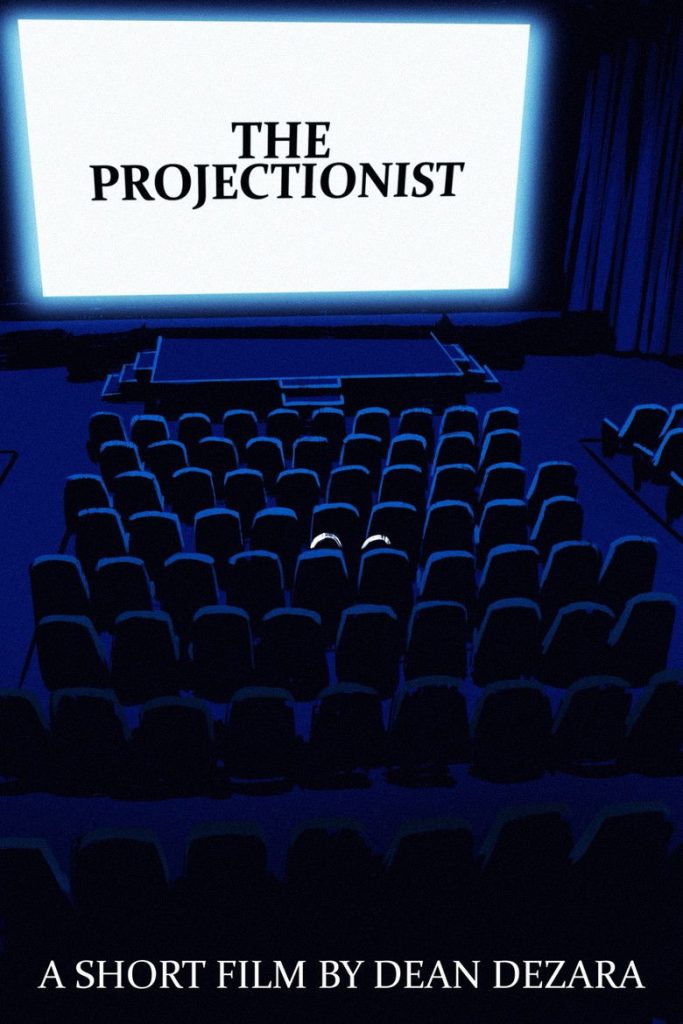
Story overview
A late-night screening at a nearly empty movie theater takes an unexpected turn when a couple is drawn into the strange orbit of the theater's unsettling manager, whose passion for cinema carries disturbing implications. This horror-comedy blends suspenseful moments with dark humor as the characters navigate the eerie environment and the manager's peculiar behavior.
Parent Guide
A horror-comedy that creates tension through atmosphere and unsettling behavior rather than explicit content. The combination of genres may be confusing for younger viewers, and the eerie elements could be disturbing despite comedic moments.
Content breakdown
No physical violence shown, but there is psychological tension and peril as characters feel threatened by the manager's strange behavior and the eerie environment. Some suspenseful moments where characters appear to be in potential danger.
The manager's unsettling behavior and obsession create a disturbing atmosphere. The nearly empty theater setting adds to the eerie feeling. Some suspenseful sequences that could be frightening to sensitive viewers, though balanced with comedic elements.
May include minor profanity or suggestive language typical of the horror-comedy genre. No excessive or aggressive language noted based on the overview.
No sexual content or nudity indicated in the overview. Focus is on psychological tension rather than sexual themes.
No substance use indicated in the overview. The setting is a movie theater where such content would be unlikely.
Psychological tension and unsettling atmosphere create moderate emotional intensity. The combination of horror and comedy may create conflicting emotions. Characters experience anxiety and confusion in response to the strange situation.
Parent tips
This film combines horror and comedy elements, which may be confusing or unsettling for younger viewers. The manager's unsettling behavior and the overall eerie atmosphere could be disturbing, while the comedic aspects might not fully offset the tension. Consider the child's sensitivity to suspense and dark themes before viewing.
Parent chat guide
Parent follow-up questions
- What was the silliest part of the movie?
- How did the theater look different from normal?
- Did any parts make you feel funny inside?
- What made the manager seem strange or scary?
- How did the couple react to the strange things happening?
- What parts were meant to be funny versus scary?
- Why do you think the manager was so obsessed with movies?
- How did the setting of an empty theater add to the suspense?
- What techniques did the filmmakers use to create tension without showing violence?
- How does this film comment on cinephilia or obsession with art?
- What social or psychological themes did you notice in the manager's behavior?
- How effective was the blending of horror and comedy genres in this film?
Where to watch
Streaming availability has not been announced yet.